

You may also like


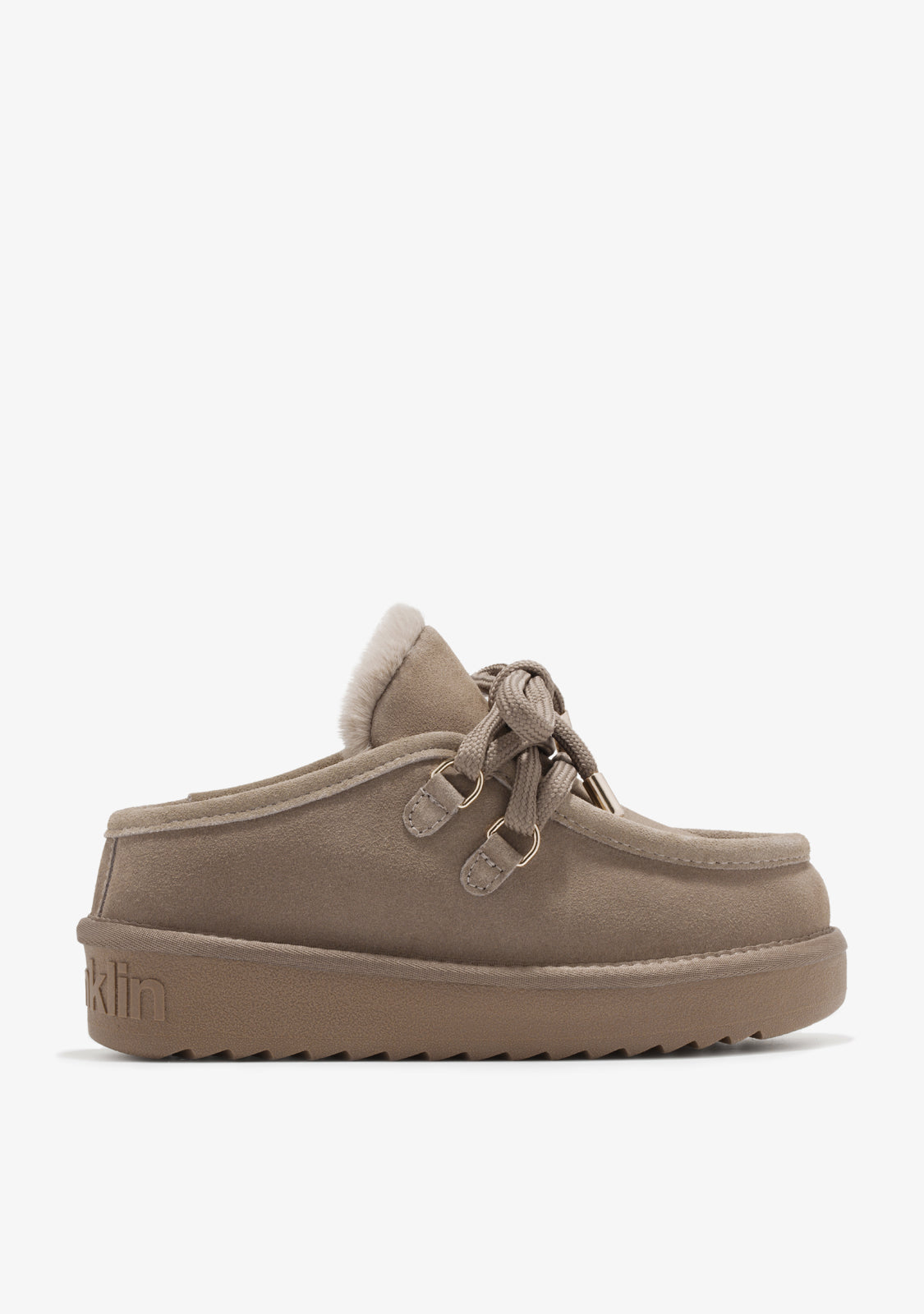
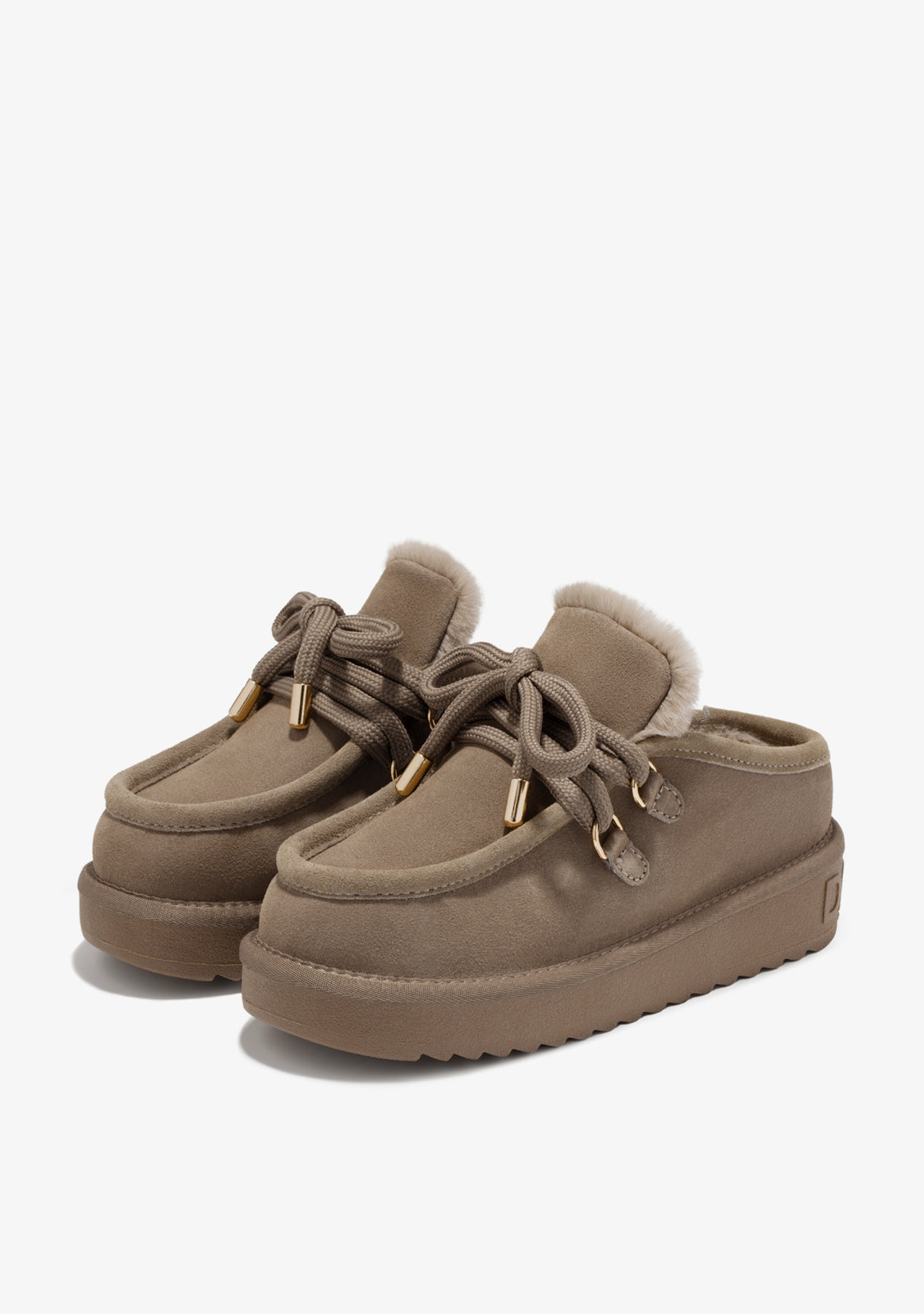


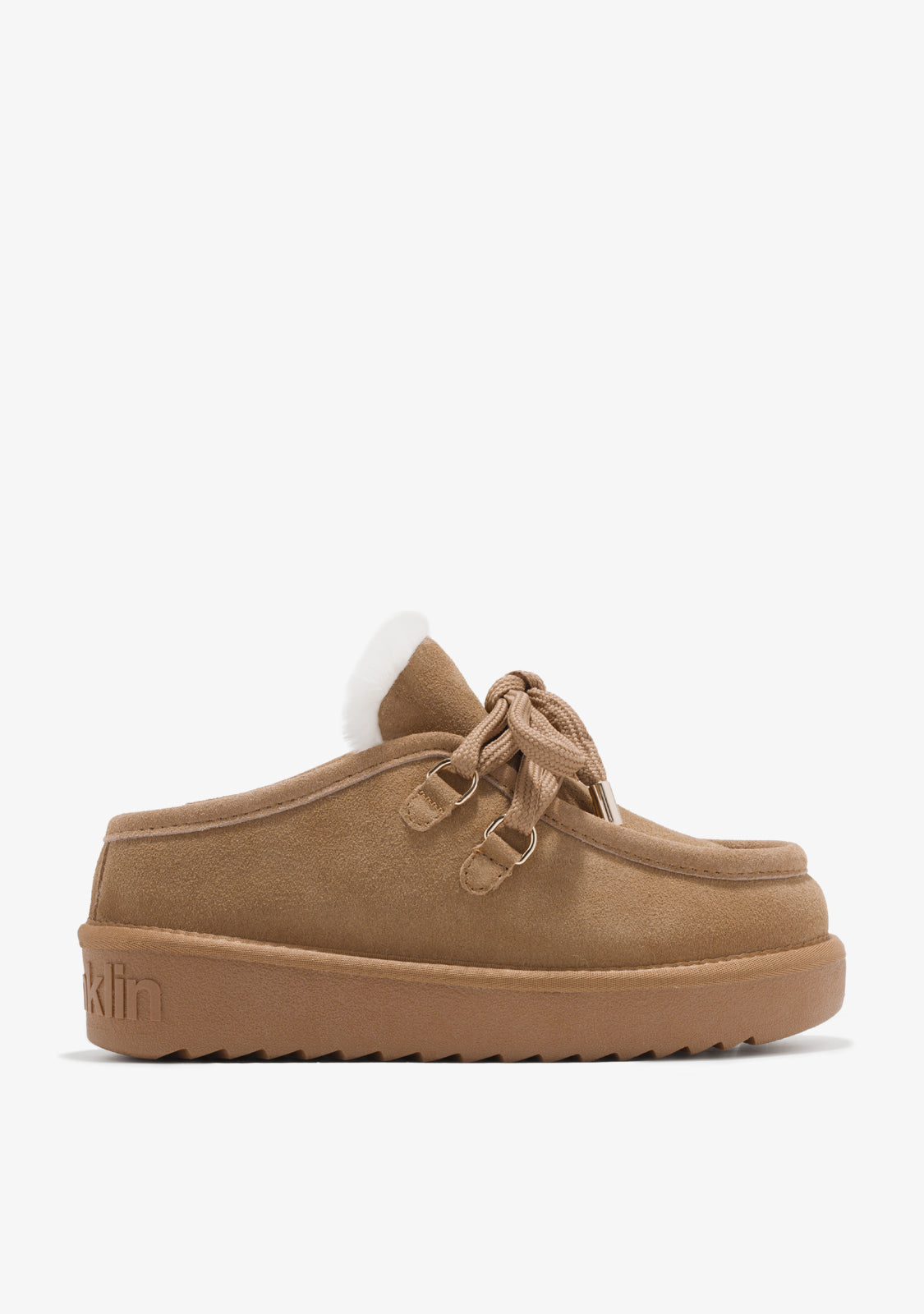
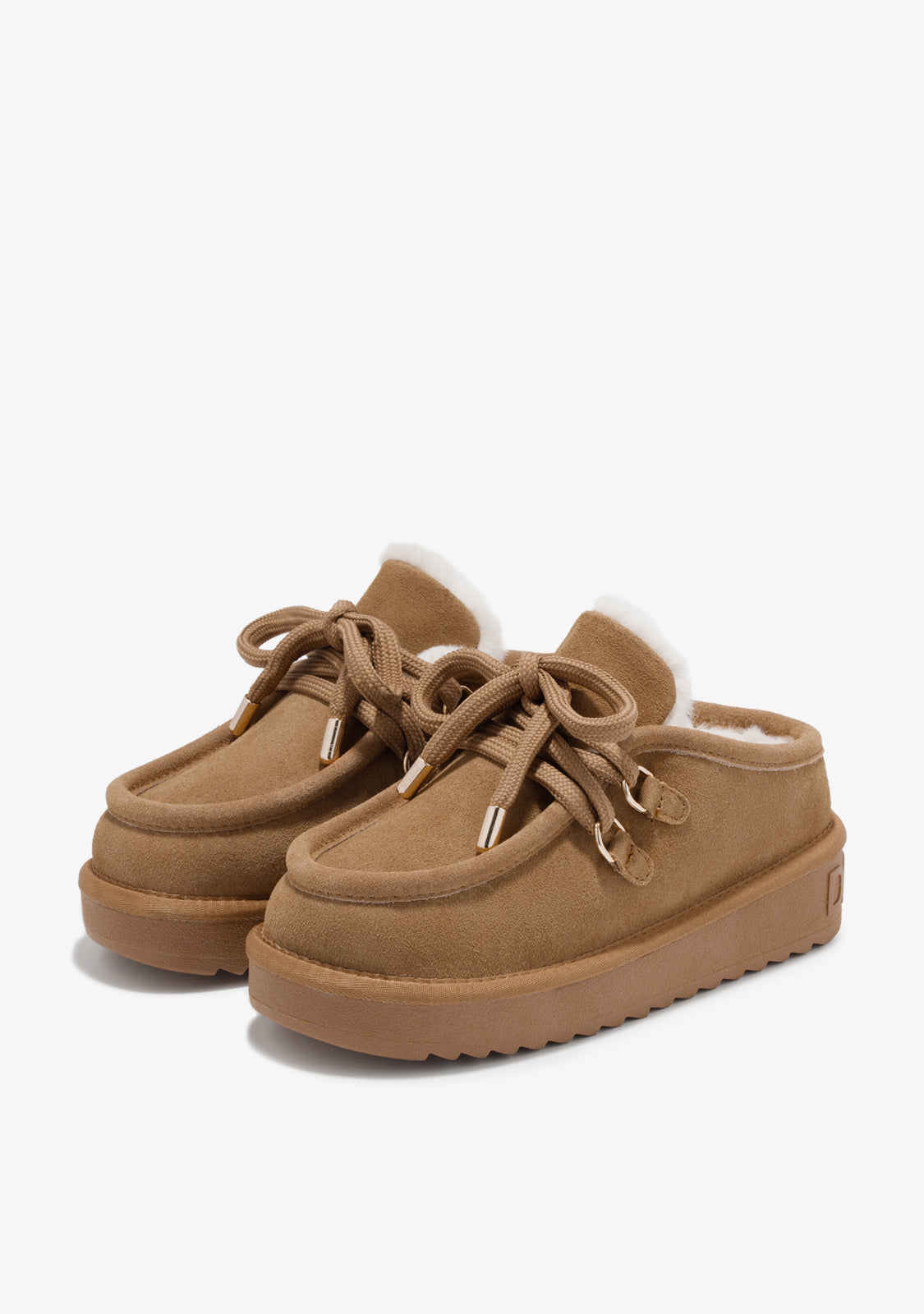


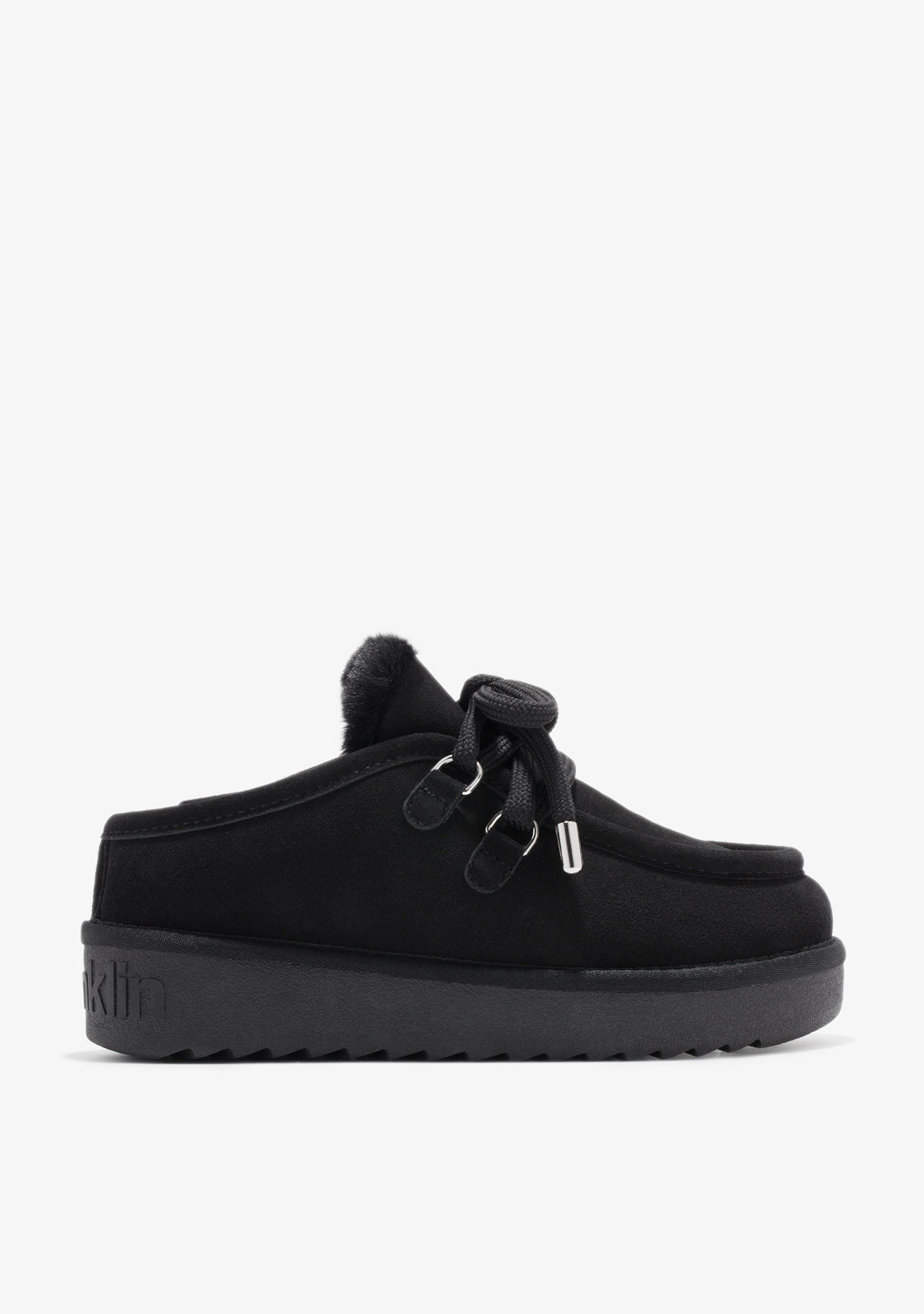
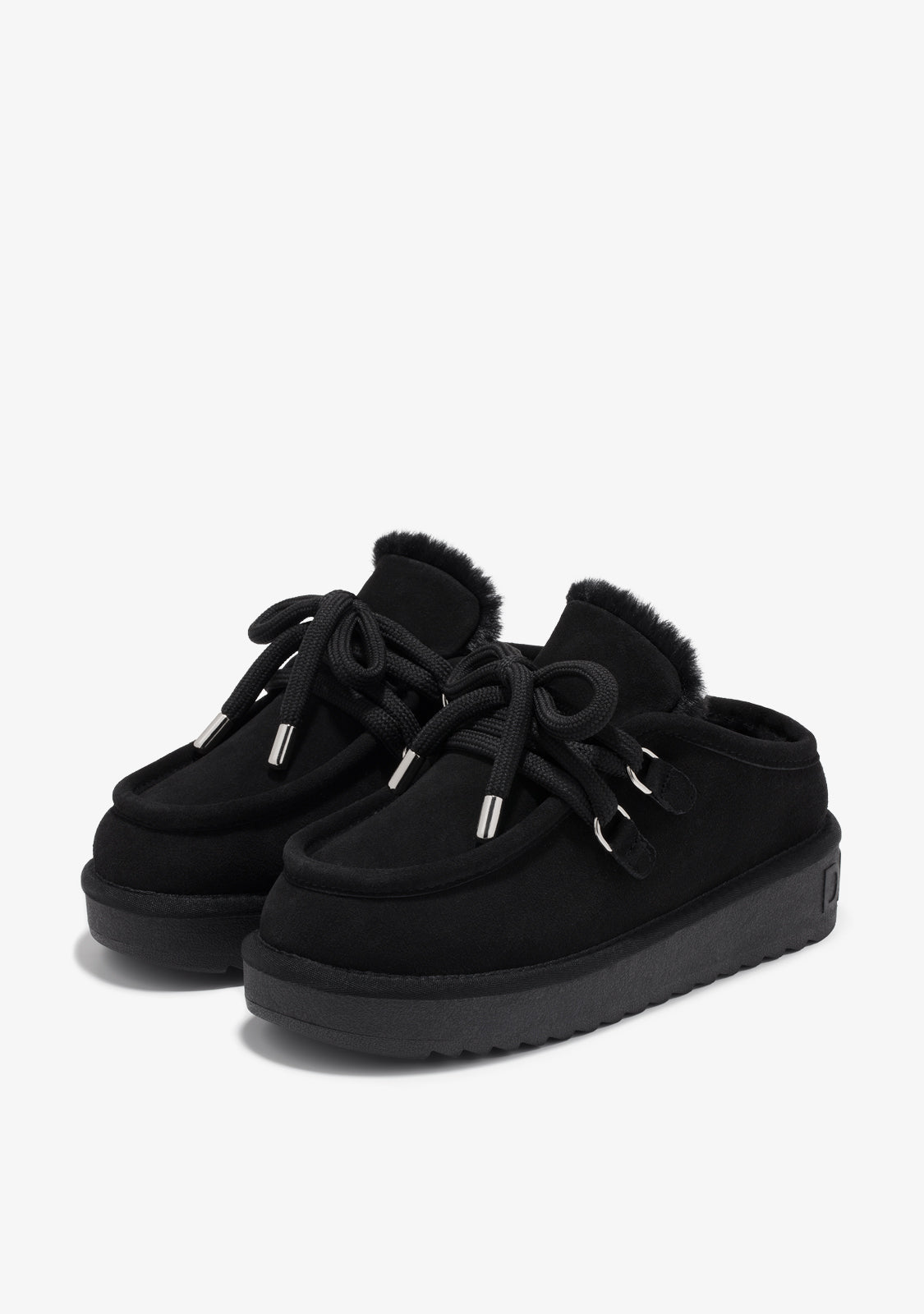


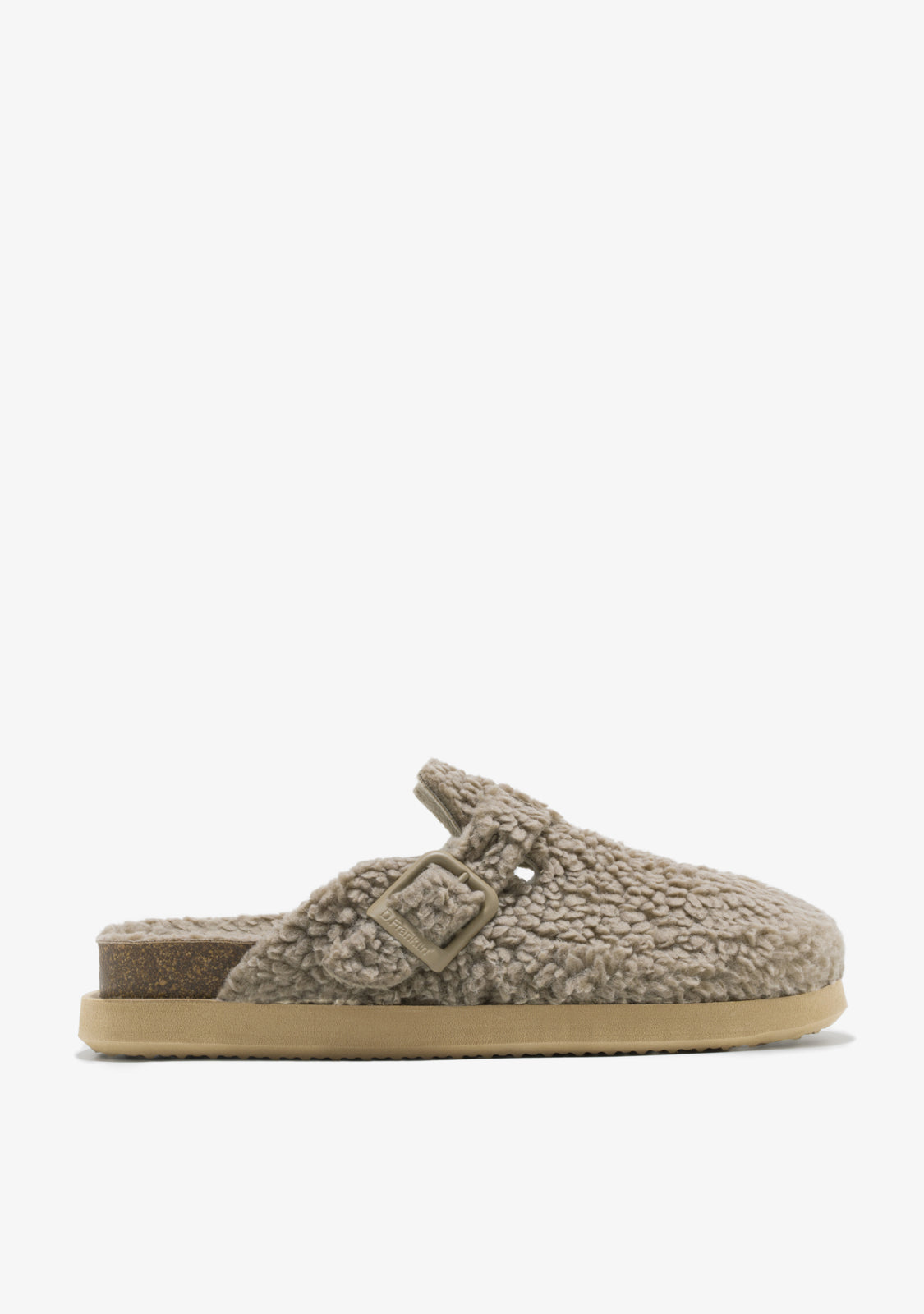
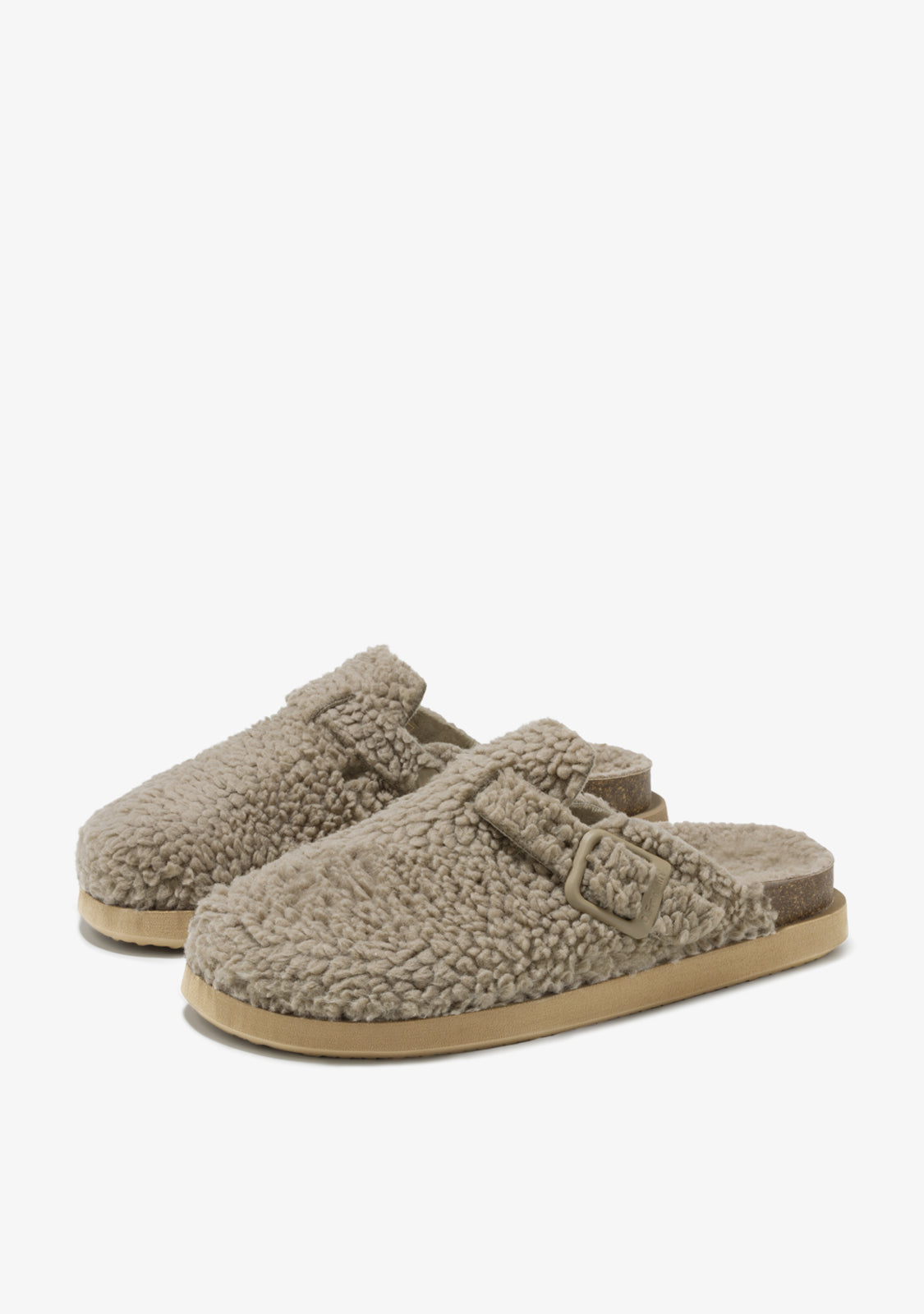


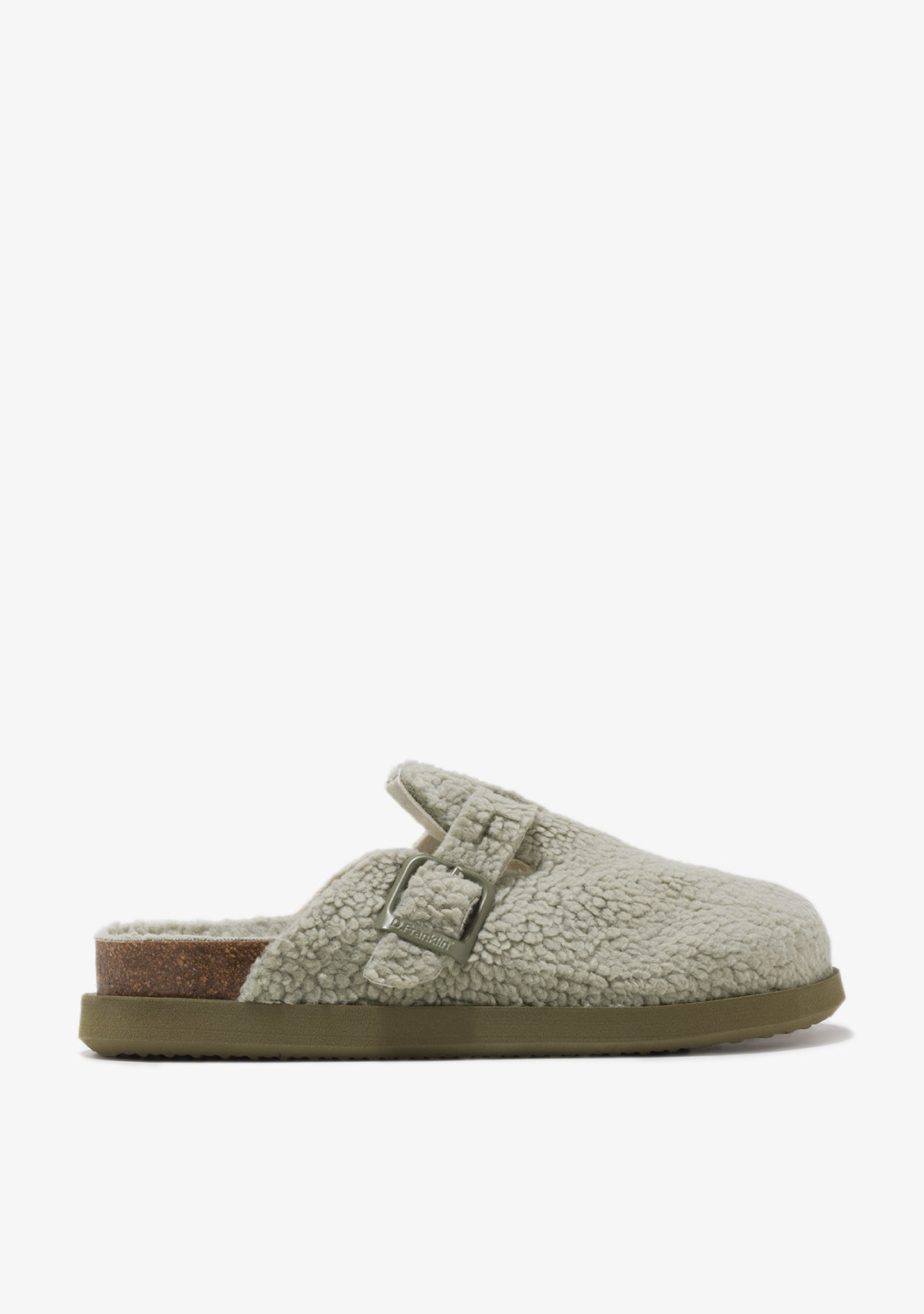
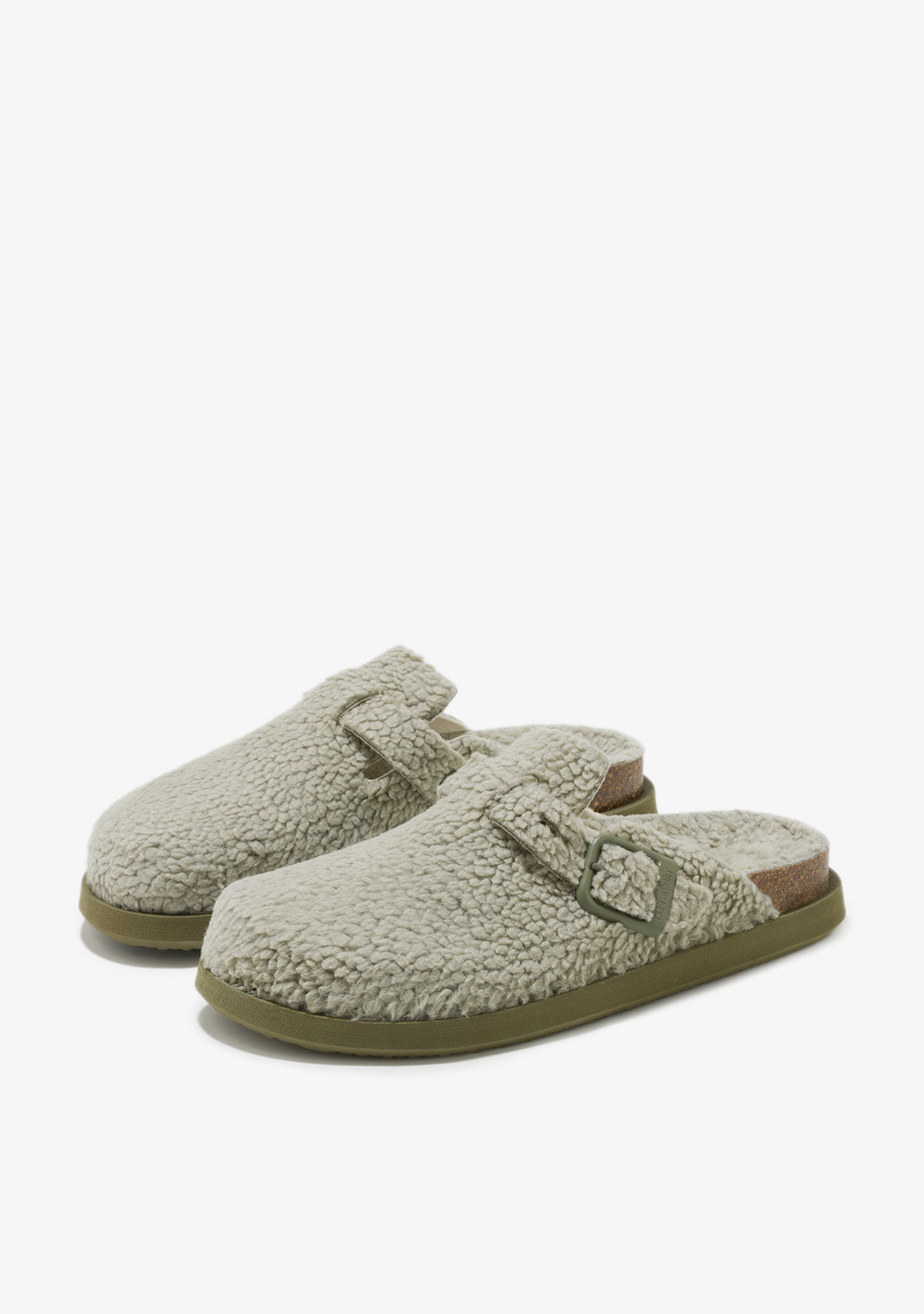

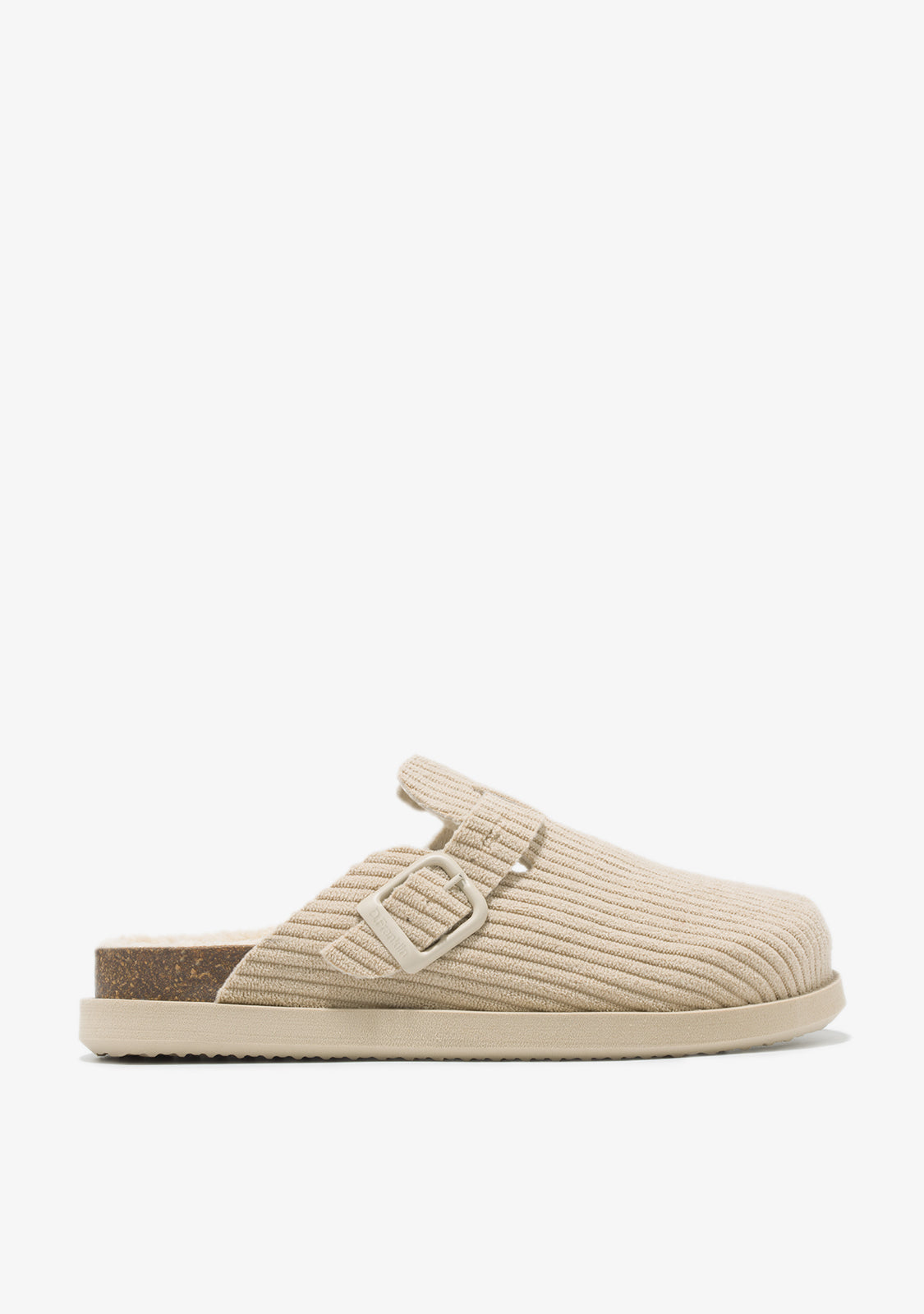
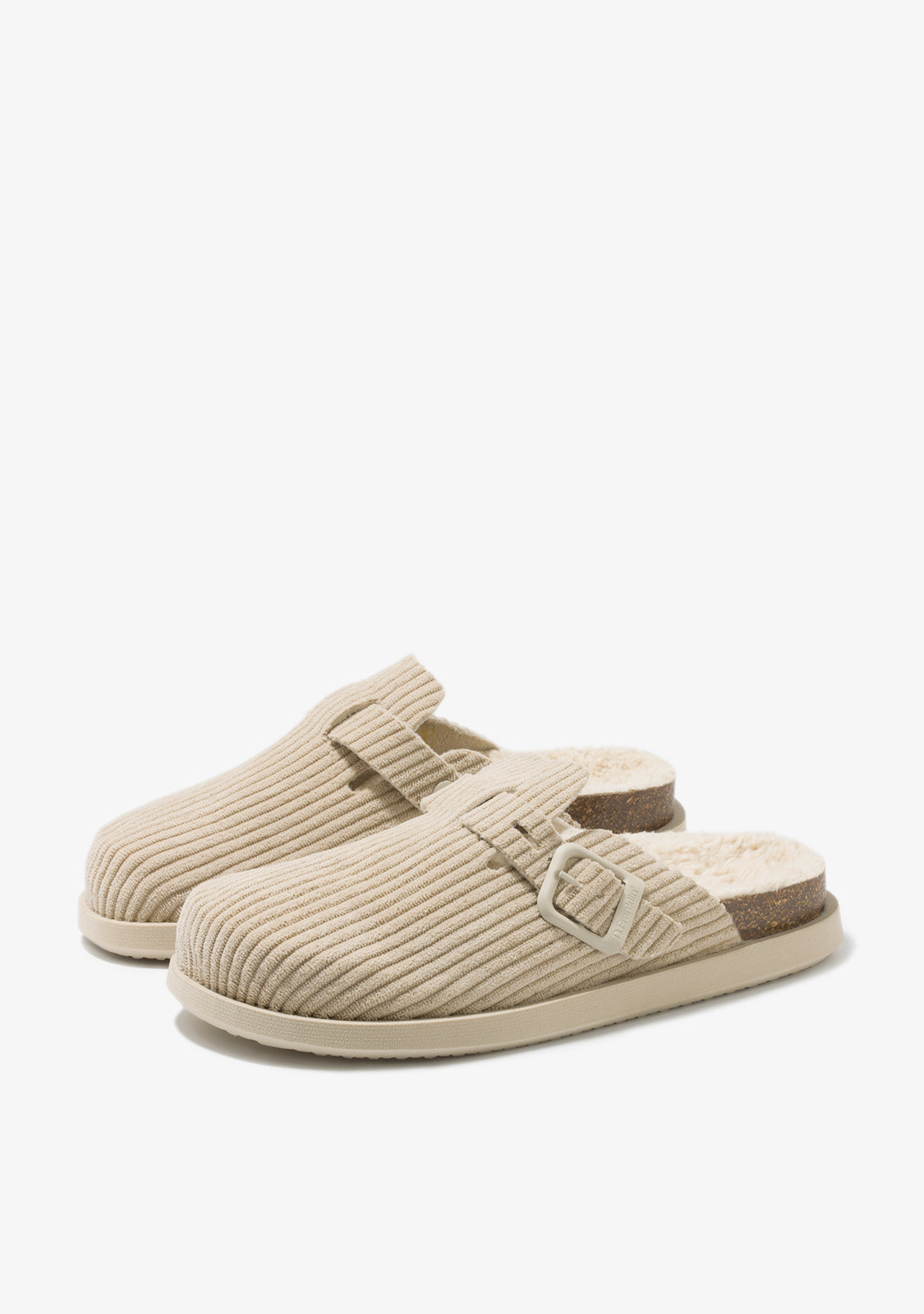

Women's clogs
D.Franklin's women's clogs bring together leather designs, platform styles and lined options for the colder months. Their shape covers the toes and leaves the heel open on many models, offering an alternative to wear with jeans, wide trousers or skirts.
When choosing a pair, compare the upper material, sole height and how the design holds your instep. The collection also includes models made in Spain, identified on their individual product pages.
Clog styles made in Spain
This collection includes selected clogs identified as made in Spain. That statement applies to certain designs rather than the whole collection; check the declared origin alongside materials and fastening before choosing.
Textile finishes, such as corduroy, offer an alternative to leather and add a different texture to an outfit. Compare the upper and lining compositions; a warm-looking interior does not establish that it is made of wool.
Leather, platforms or linings: which clogs to choose
With clogs, compare toe coverage, the open back and adjustment across the instep. Where laces or buckles are present, adjust them without pressure and check that your foot stays within the footbed when walking.
When choosing lined footwear, compare which interior areas the lining covers and how your foot fits with socks. A fluffy appearance does not identify its composition; check the upper, lining and insole separately. Explore also: winter clogs · women's sandals
How to style your clogs
- With straight-leg jeans: leave part of the instep visible to show the buckle or upper finish.
- With wide trousers: check that the hem does not drag on the ground, especially when switching between different sole heights.
- With skirts and dresses: a platform adds volume at the base of the outfit; neutral shades work with plain or patterned clothing.
- With socks: check the fit with the thickness you plan to wear, particularly in lined styles. Find more combinations in the women's footwear collection.
Sizing and care for different materials
Measure both feet and compare the longer foot with the model's size guide. Your foot should stay in position as you walk, without your toes or heel extending beyond the sole. An adjustable buckle helps secure the instep but cannot compensate for an unsuitable length.
Use a specialist brush to care for suede and avoid soaking it. Corduroy and microfibre require cleaning methods suited to their composition: follow the instructions for each model and let the shoes dry away from direct heat.
Frequently asked questions about women's clogs
How can I check the hold of an open-heel clog?
Walk several steps and check that your foot stays on the base without curling your toes to retain the clog. Adjust any fastening without pressure over the instep. If excessive movement continues, compare size and interior shape.
Are all the clogs made in Spain?
Country of manufacture needs to be checked for each model. This collection contains clogs identified as made in Spain and others whose available details do not specify their country of manufacture, so the same origin cannot be attributed to the entire collection.
What trouser length works with clogs?
Check the hem with the clogs on. With wide trousers, avoid fabric slipping between heel and base or dragging on the ground. Ankle-length cuts reveal the shape; with socks, also check that fabric does not bunch at the opening.
What should I consider for footwear on colder days?
When choosing lined footwear, compare which interior areas the lining covers and how your foot fits with socks. A fluffy appearance does not identify its composition; check the upper, lining and insole separately.
What should I check when choosing platforms?
A platform adds height and visual volume. Compare sole thickness, heel-to-toe height difference and foot hold; check how it flexes when walking and adjust your trouser length accordingly.
Can I wear clogs with socks?
Yes. Pair them with socks and ankle-length trousers or knitwear. Try them on with your intended sock thickness and adjust the fastening if the model allows, without putting pressure on the instep.
How do I clean suede clogs?
Remove dust with a suede brush and treat marks with a suitable product, tested first on an inconspicuous area. Avoid soaking the shoes and leave them to air-dry away from radiators and other direct heat sources.
You may also like

