New In Men's Shoes
Filter
Order


New In Men's Shoes
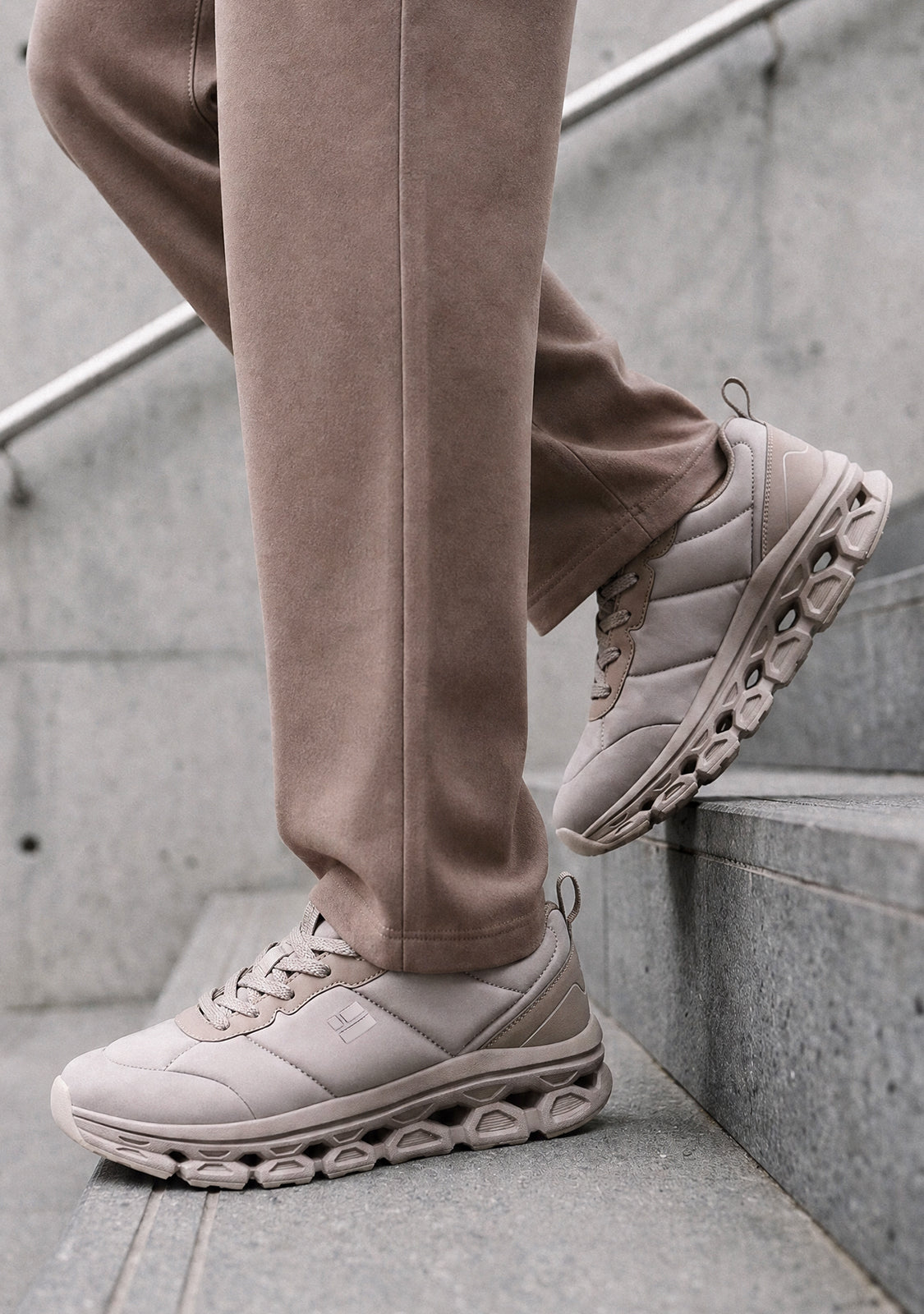
Compare D.Franklin footwear by silhouette and use: an enclosed trainer, a boot and an open sandal provide different coverage. Check the current selection in your size, then compare fastening, upper material and sole proportions. Seasonal labels do not mean every design has the same warmth or support.
Read moreRead less
Trainers: shape, materials and styling
Leather, suede, textiles and synthetics have different finishes and care needs. Compare the upper composition with the lining and sole; the outer appearance does not describe the entire construction. Explore also: men's trainers
Choosing ankle boots, sandals or clogs
Ankle boots reach the ankle area and work with straight trousers or clothing that leaves the shaft visible. Compare the opening, fastening and flexibility when walking; laces allow instep adjustment where the design includes them. Explore also: Nordic leather lace-up ankle boots
When choosing between sandals and clogs, compare toe coverage and how they hold the instep. A buckle allows adjustment where fitted; also check sole height and the space around your heel. Explore also: men's sandals
Looking after different materials
Remove surface dirt using a method suited to the material listed on the product page. Use a specialist brush for suede and avoid soaking it. Leave footwear to dry naturally away from direct heat, and check the model's care instructions before using cleaning products or putting it in a washing machine.
What to check before choosing a pair
Size: measure both feet and compare the measurements with the product's size guide; a size number alone does not describe the fit.
Fastening: laces and buckles let you adjust the hold, but cannot make up for an unsuitable length.
Materials: check the upper, lining and sole separately; styles within the same range may have different compositions.
Compare related collections
Frequently asked questions
How do I choose a size if I am between sizes?
Check the model's size guide and measure both feet while wearing your usual socks. Use the longer foot as your reference and read any fit guidance; do not automatically size up or down.
Can I use these trainers for running?
Running-inspired styling does not make a shoe a technical running model. Before using a pair for running, check that its product details explicitly describe that use and the features you need.
What is the difference between sandals and clogs?
Sandals usually expose more of the foot, while clogs generally cover the toes. Also compare the heel and fastening, as the way each design holds your foot can vary.
Are leather ankle boots waterproof?
Leather and a furry lining do not guarantee waterproofing. Treat a model as waterproof only if its product details say so, and follow the care instructions for its particular finish.
Do all options have the same sole?
Soles can vary in material, height and flexibility. Compare the full construction and how it moves with your foot; appearance or a collection name does not guarantee the same sole across every design.
How should buckle sandals fit?
Adjust the buckles so they hold your feet without excessive pressure, and check that your toes and heels do not overhang the sole. An adjustable fastening does not replace choosing the correct size.
Can I put my shoes in the washing machine?
Check the model's care instructions first. If they do not allow machine washing, avoid it and use spot cleaning appropriate for the upper and lining.