

You may also like
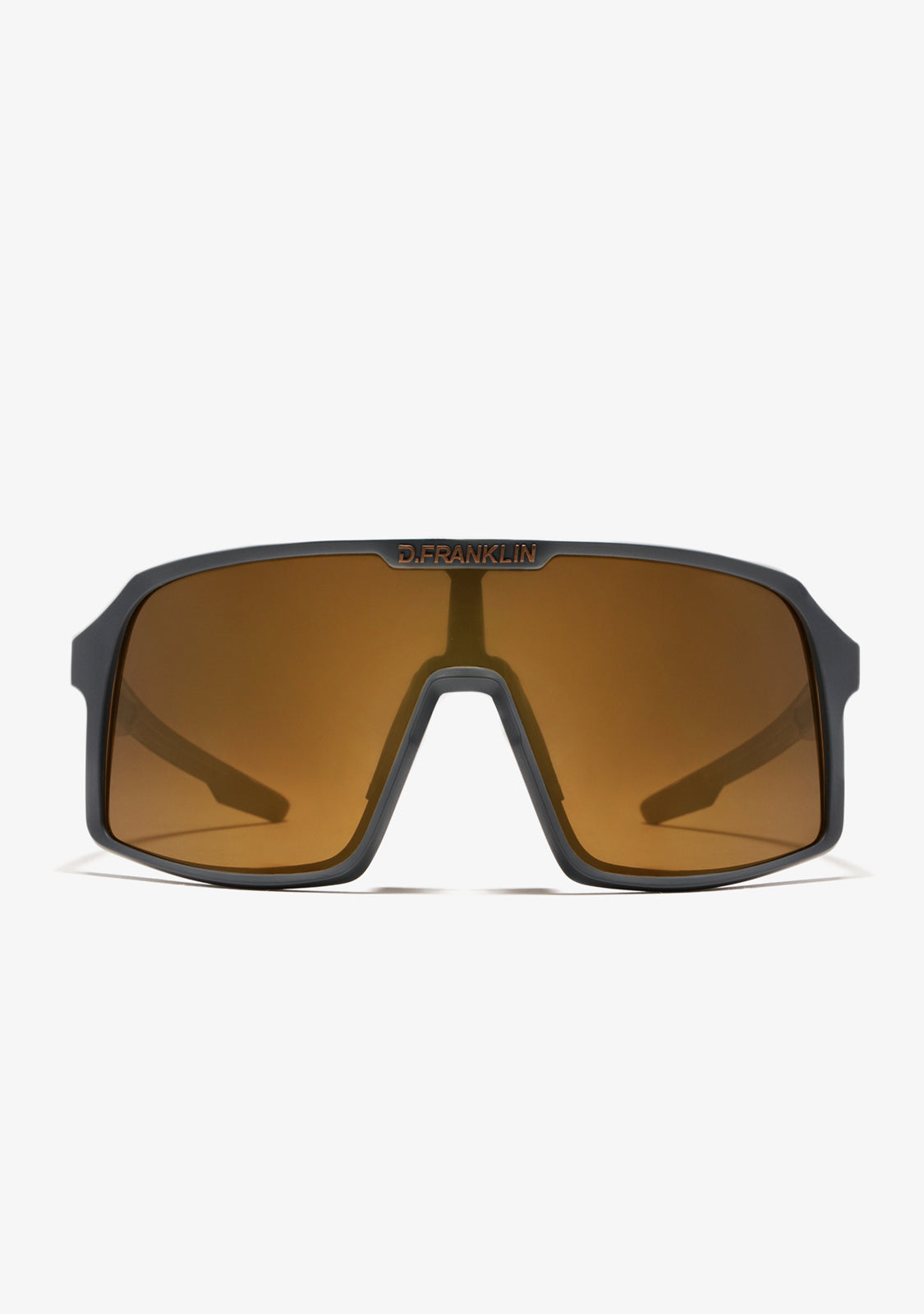
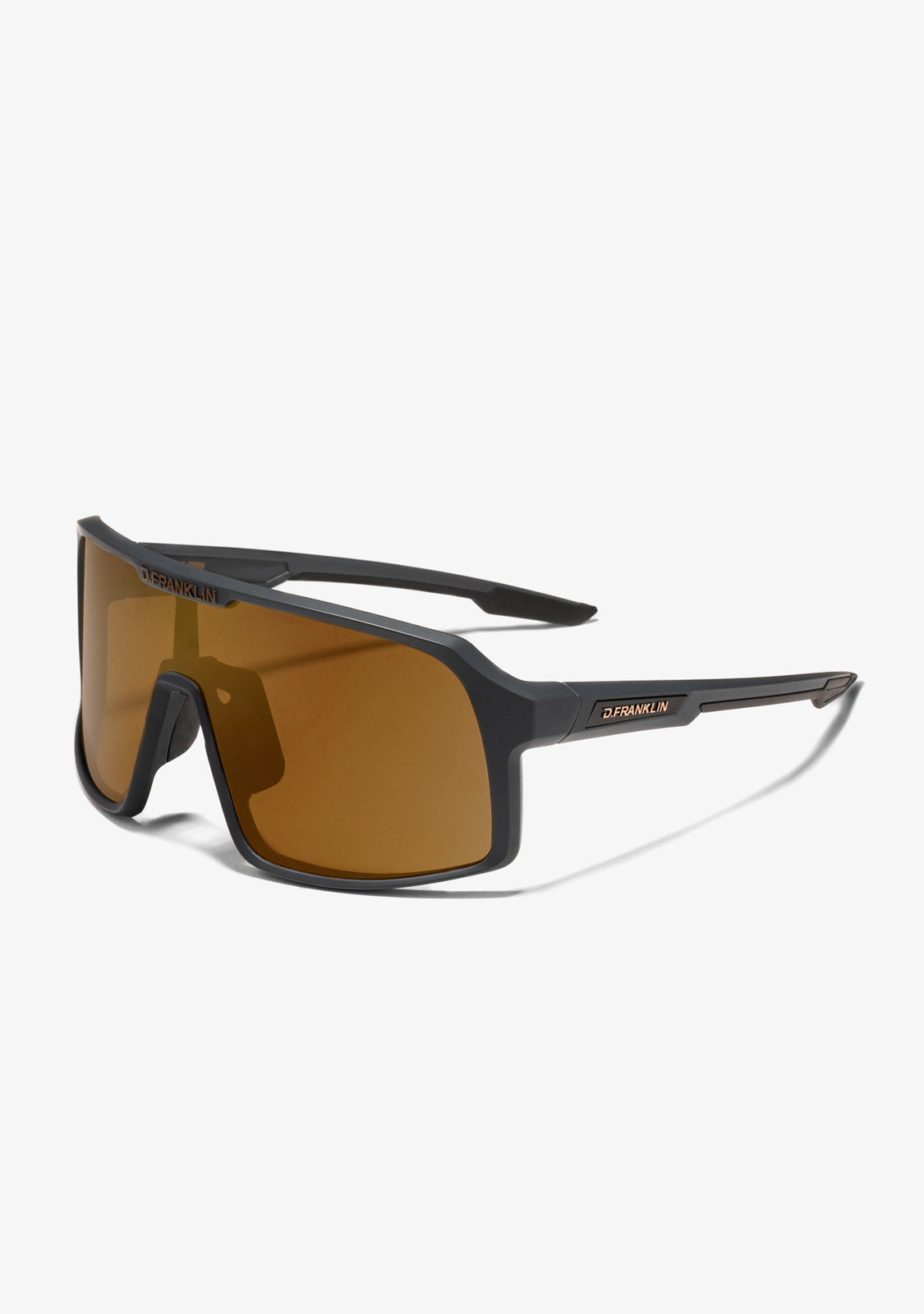

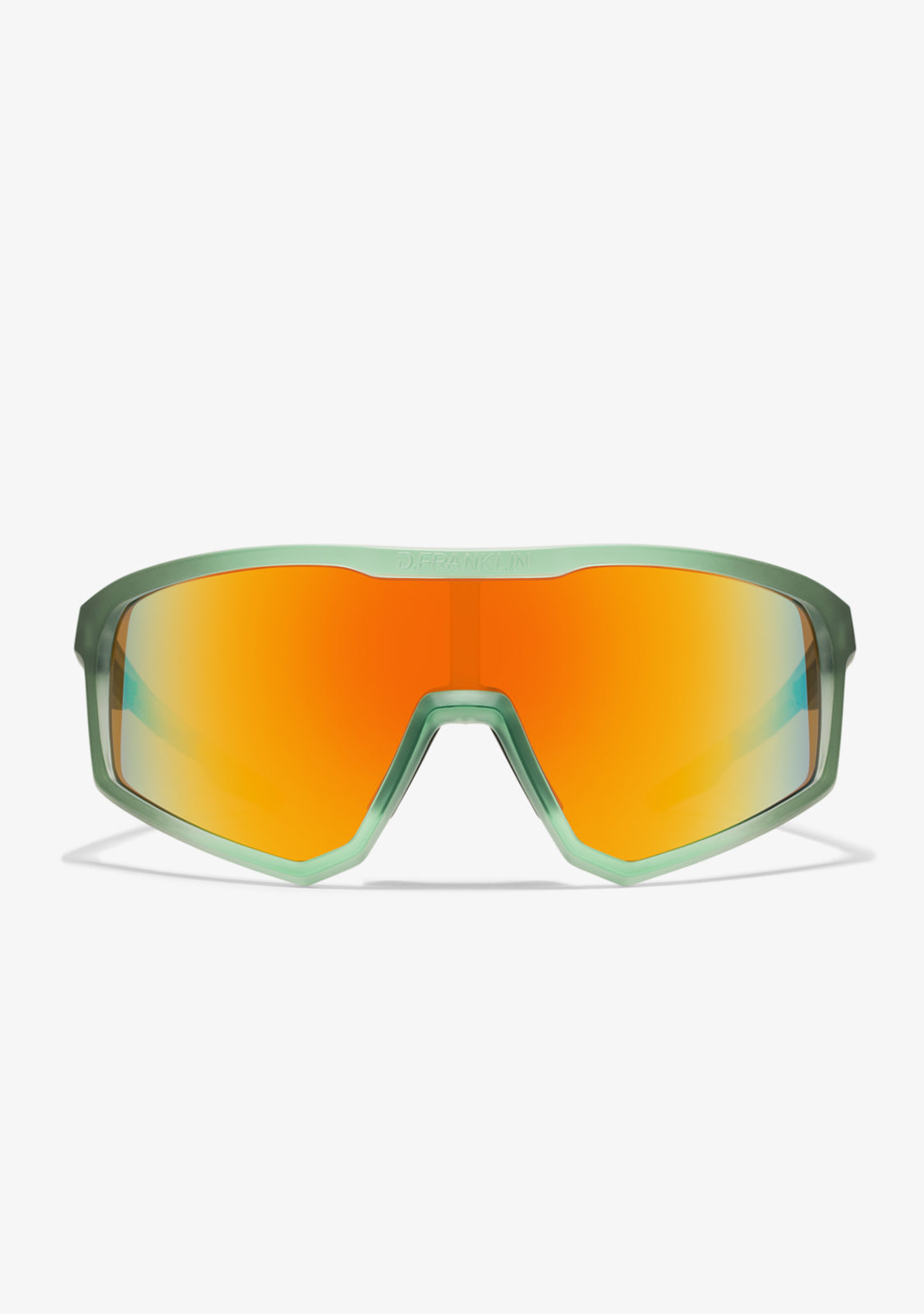
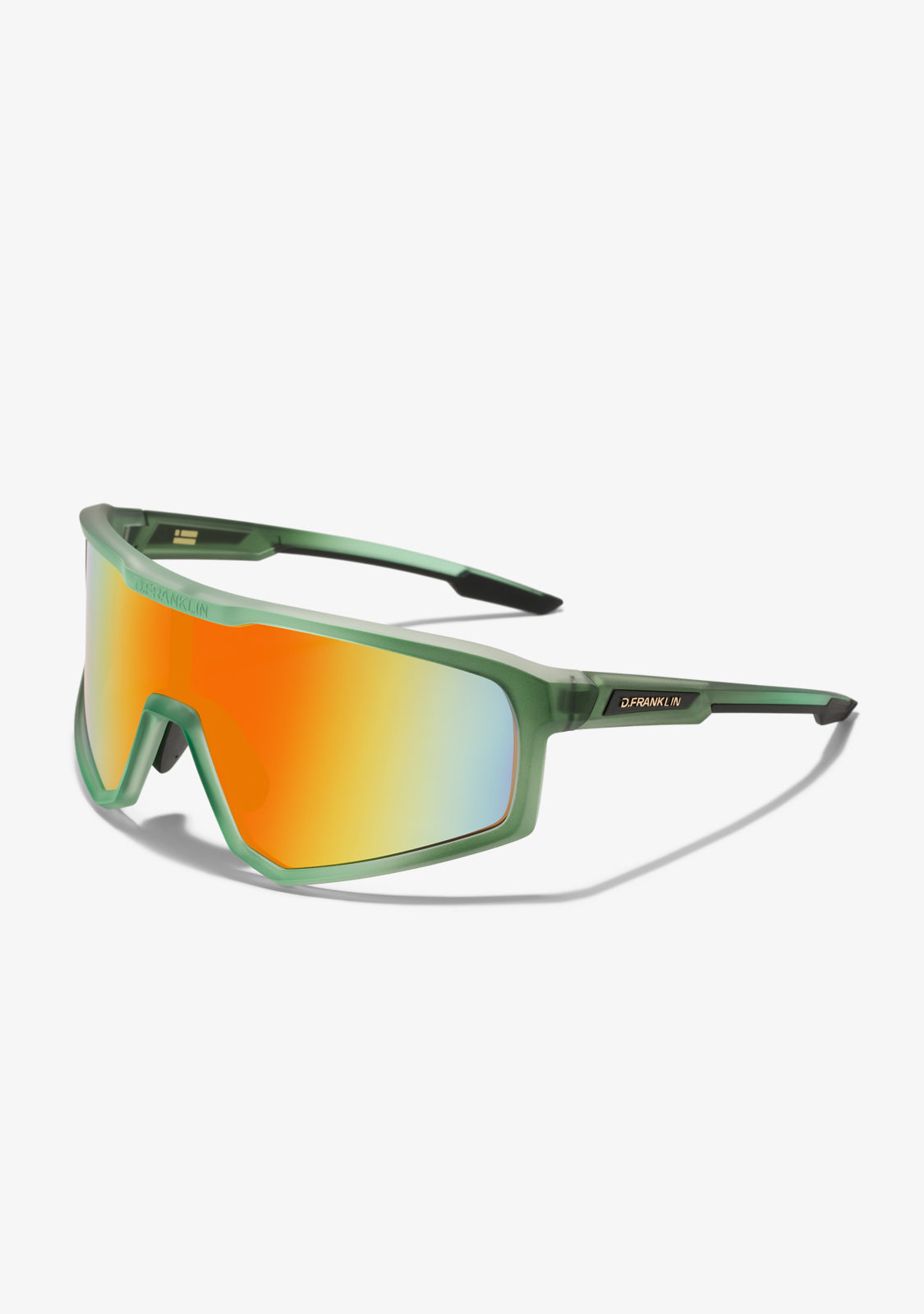









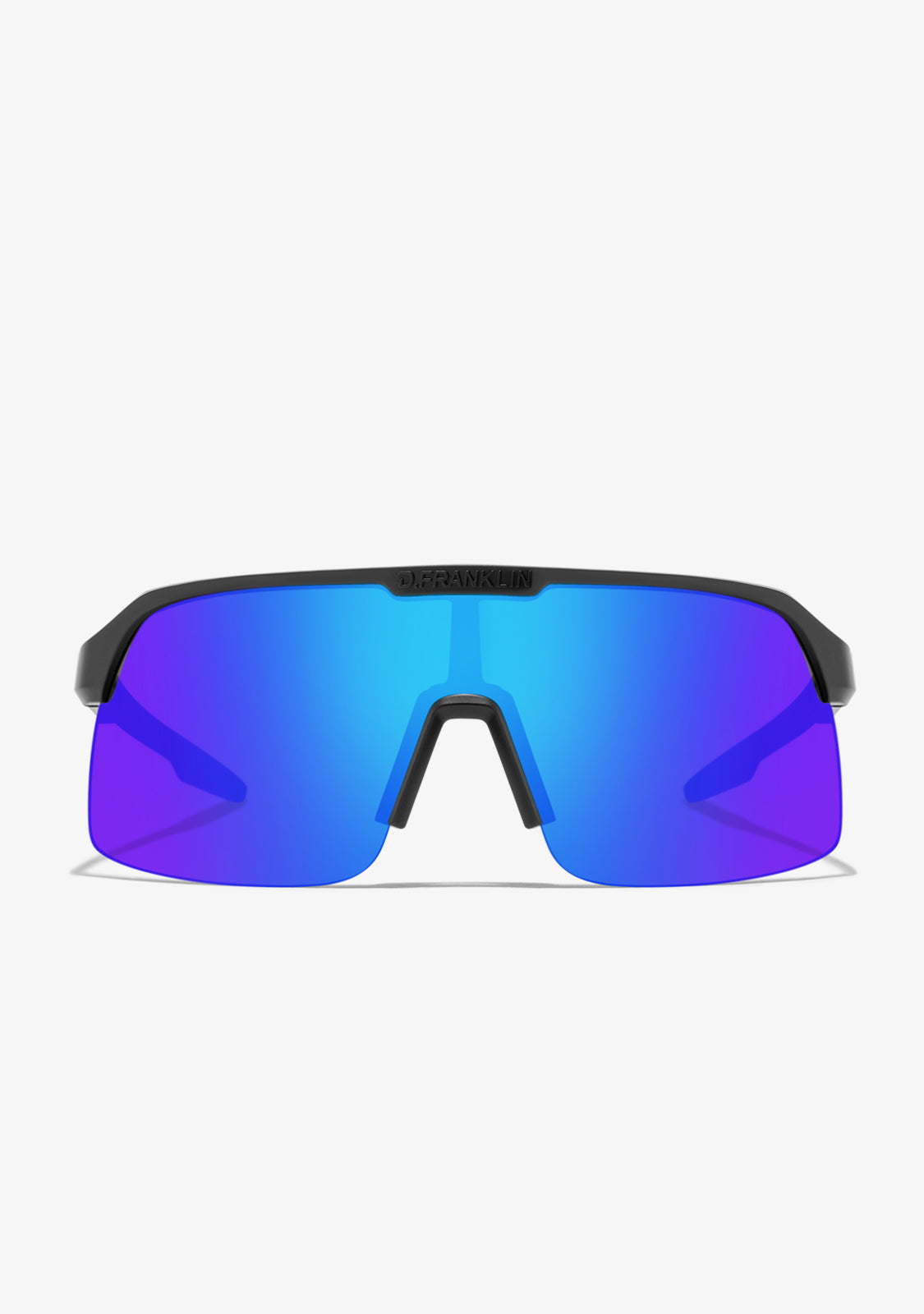
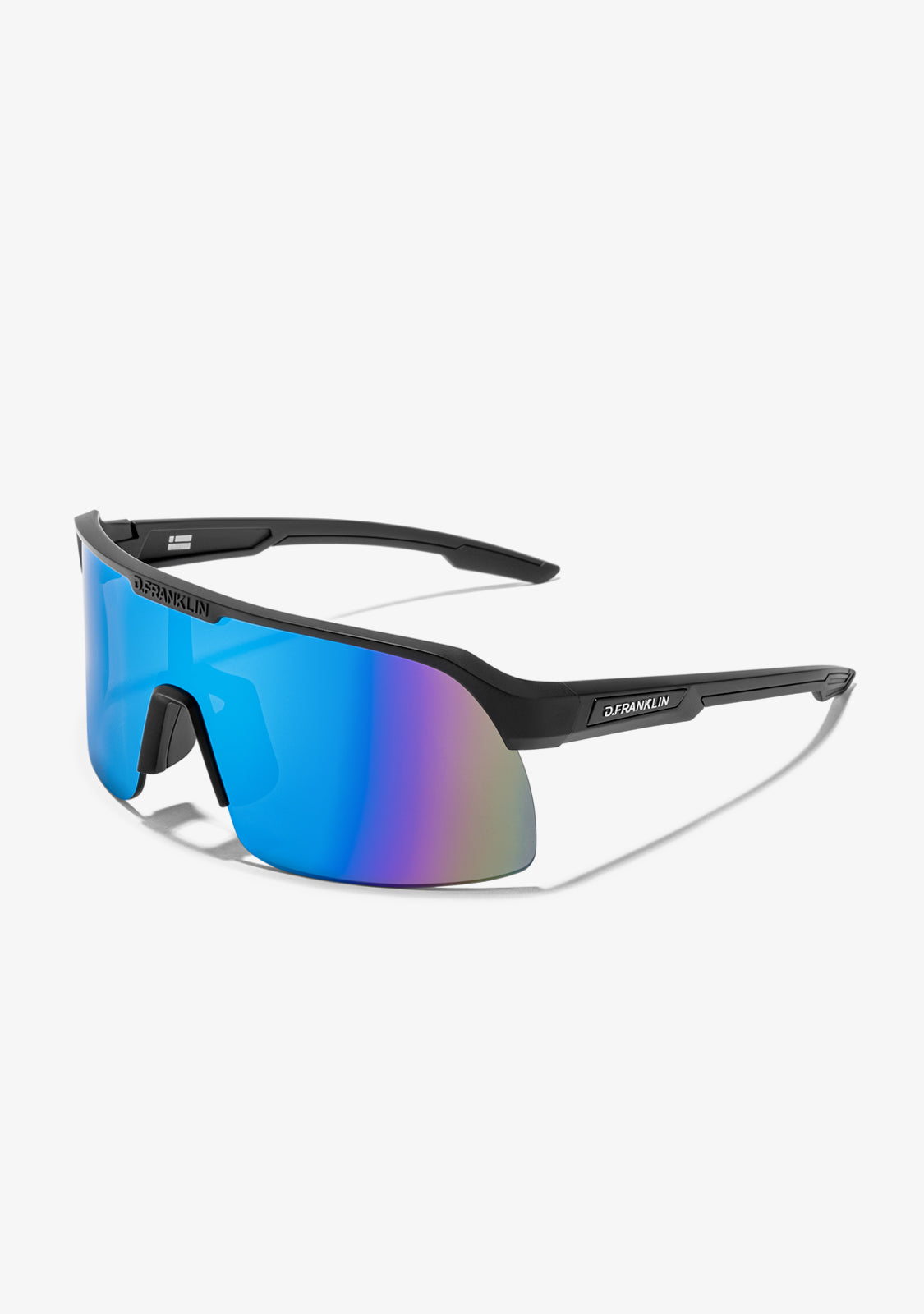

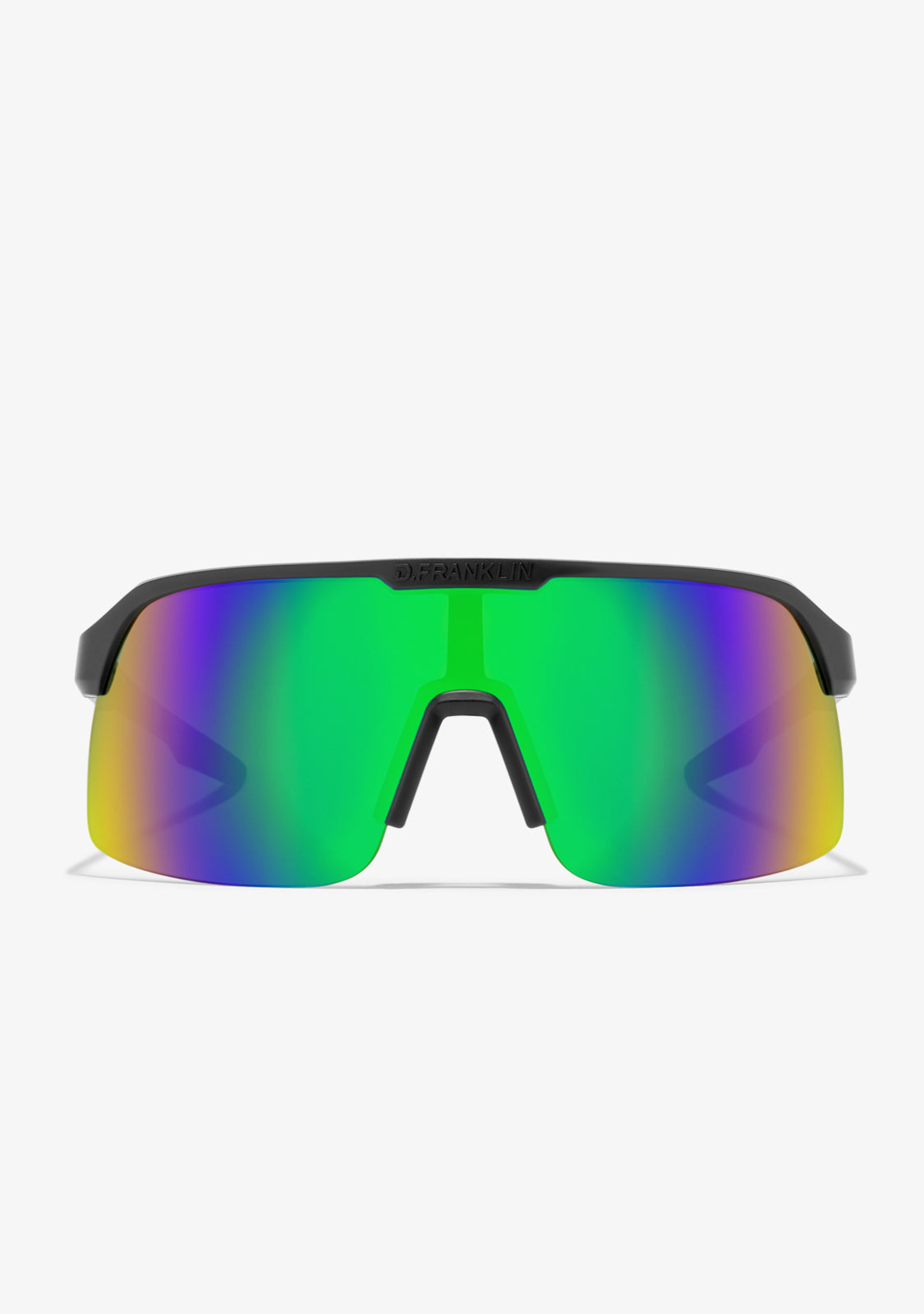
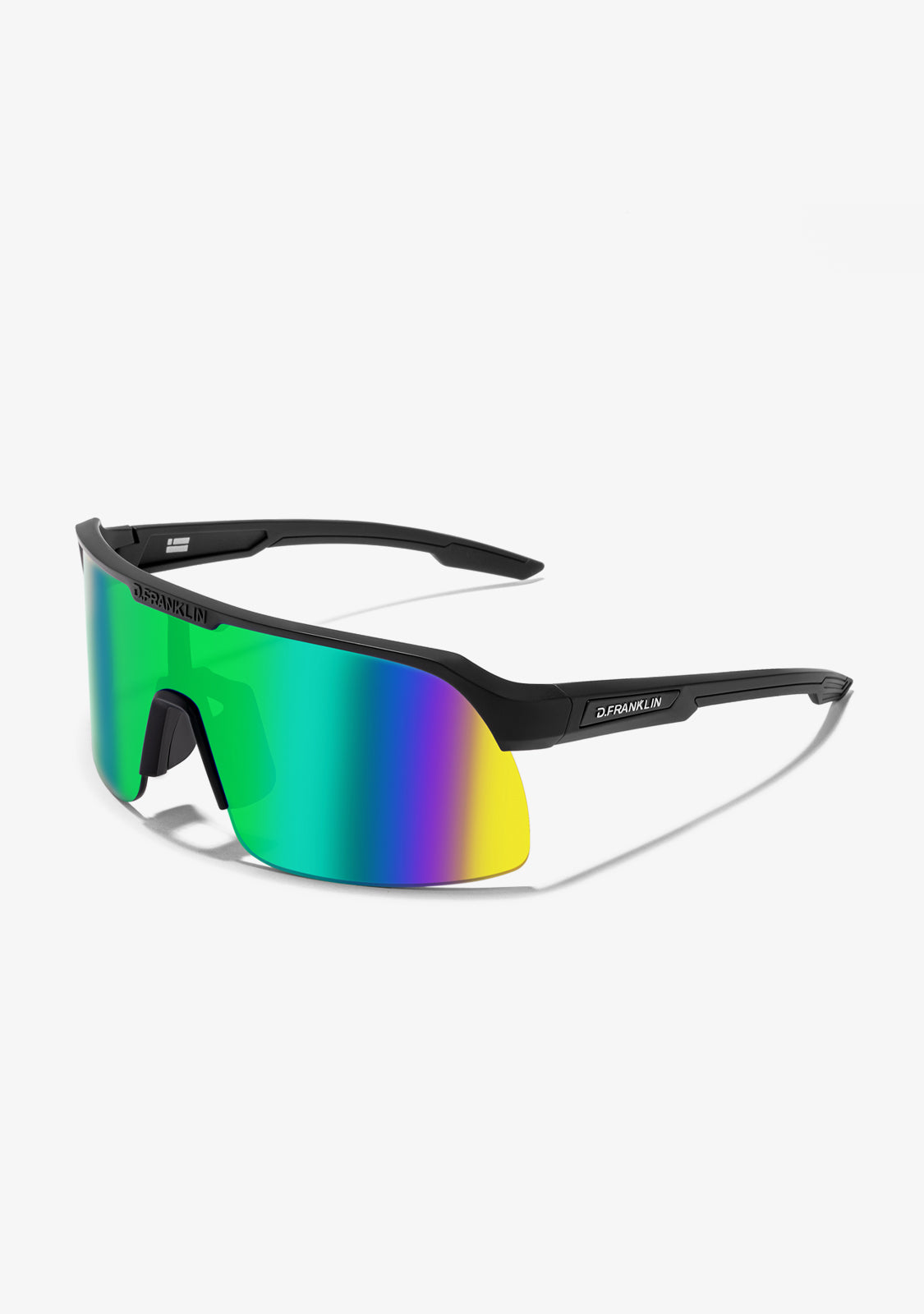

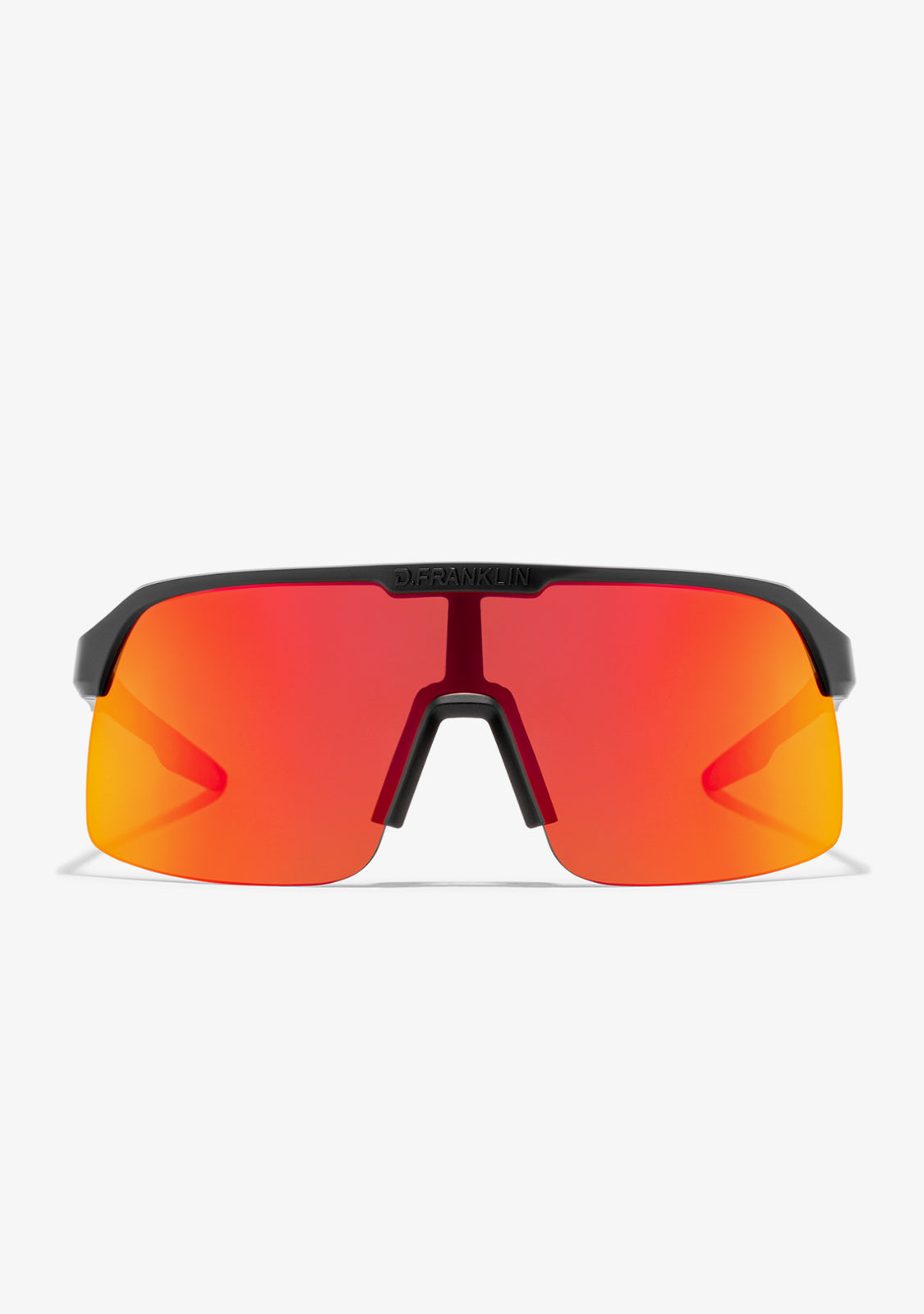
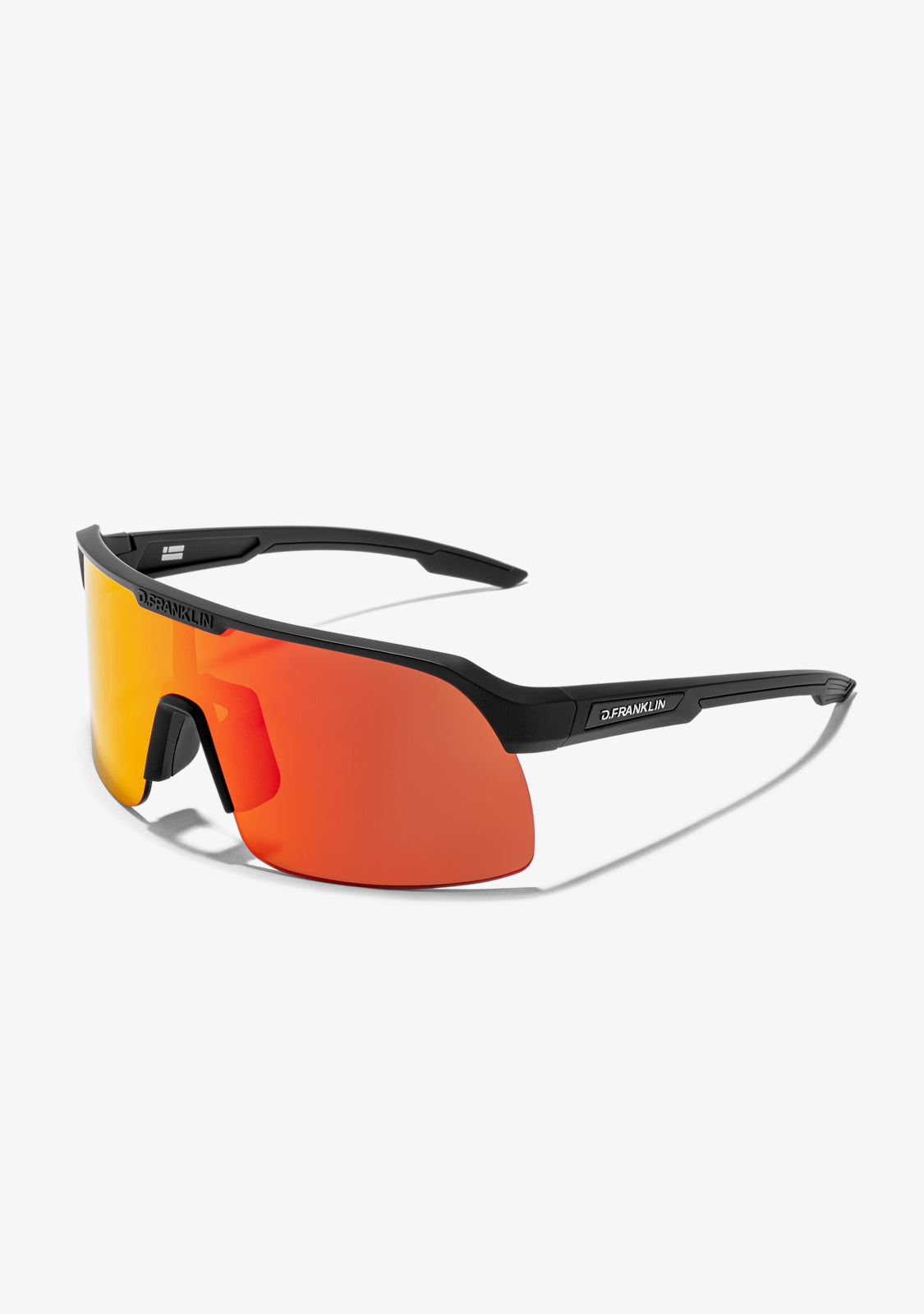

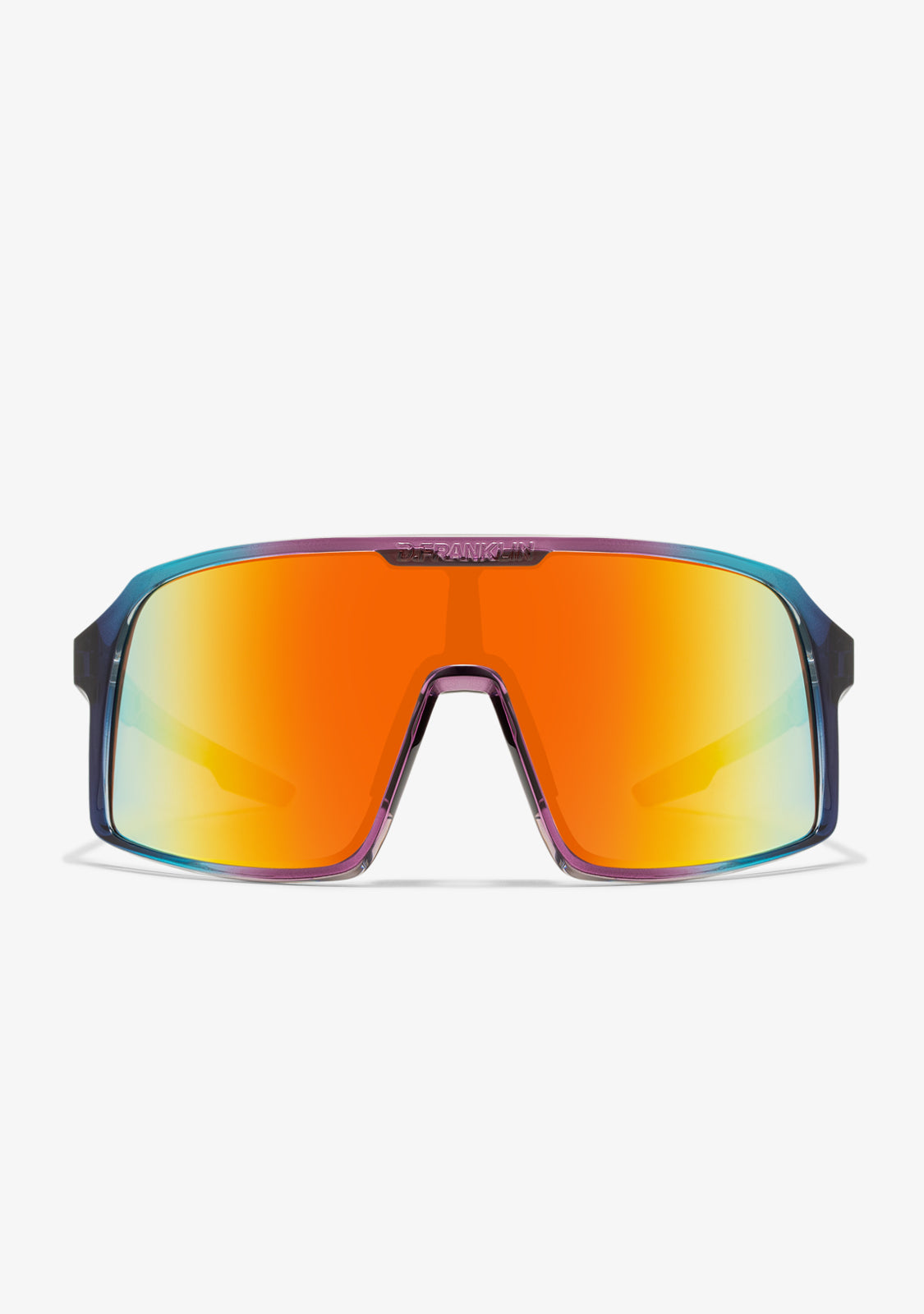
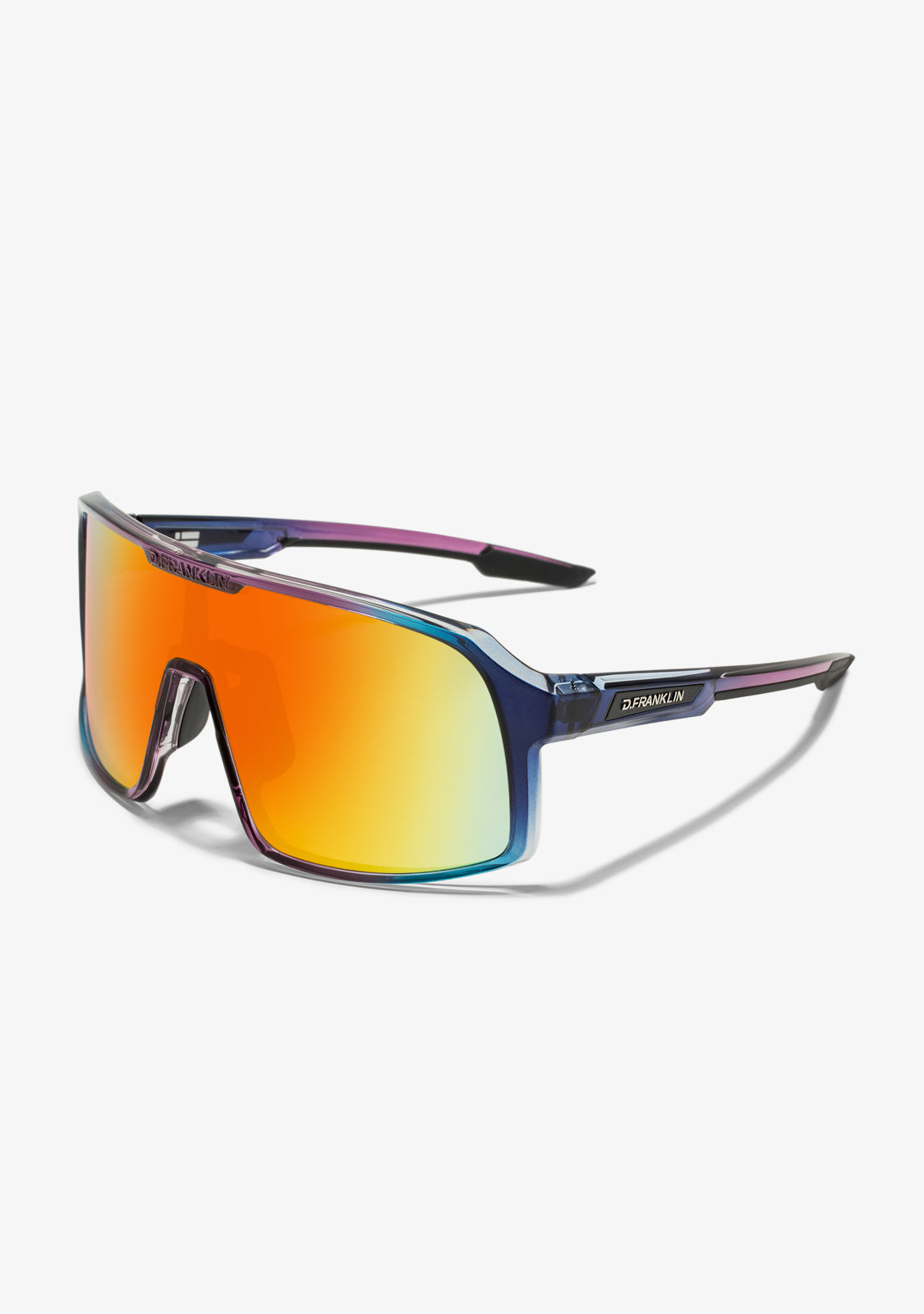







Mirrored Sunglasses
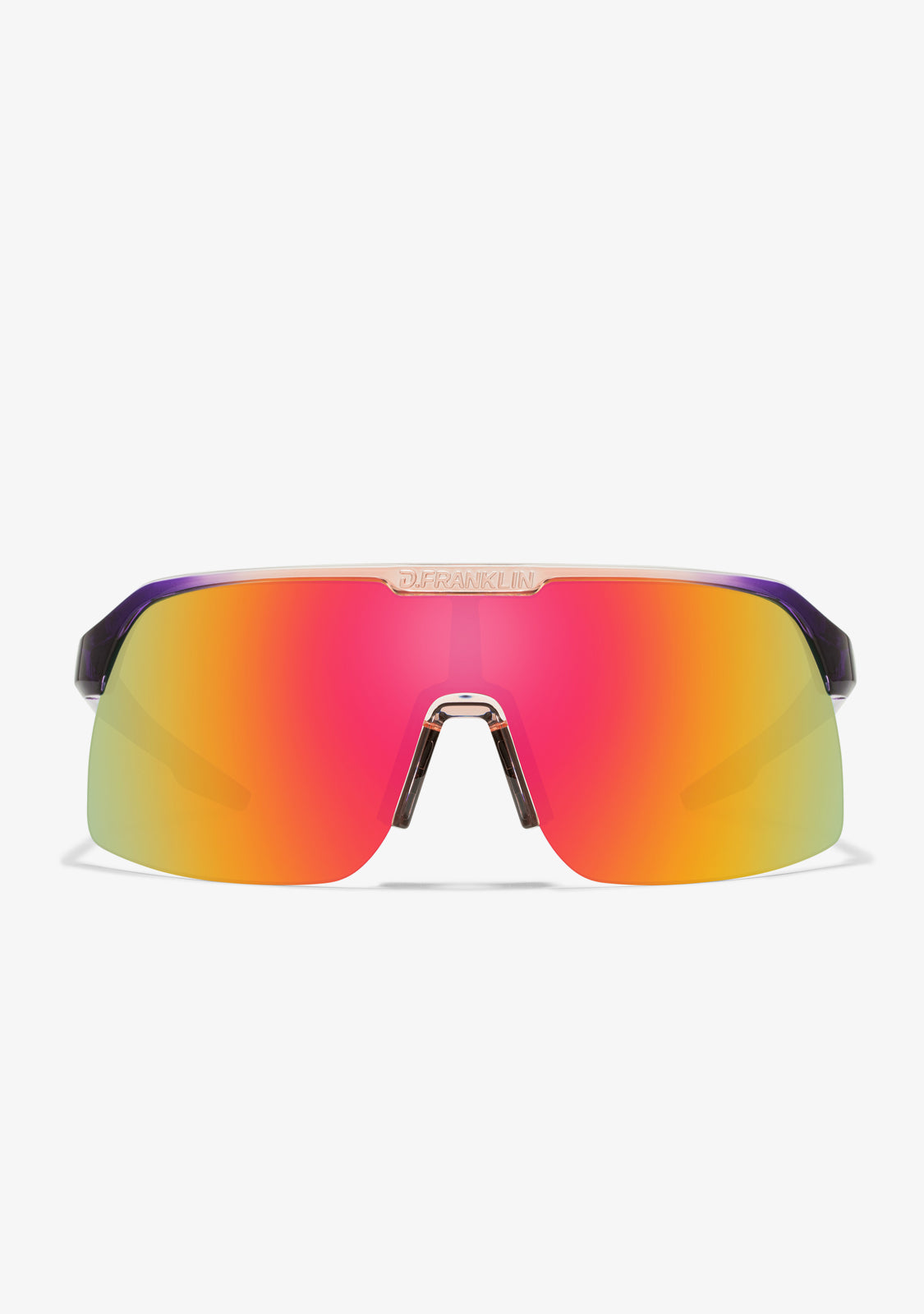
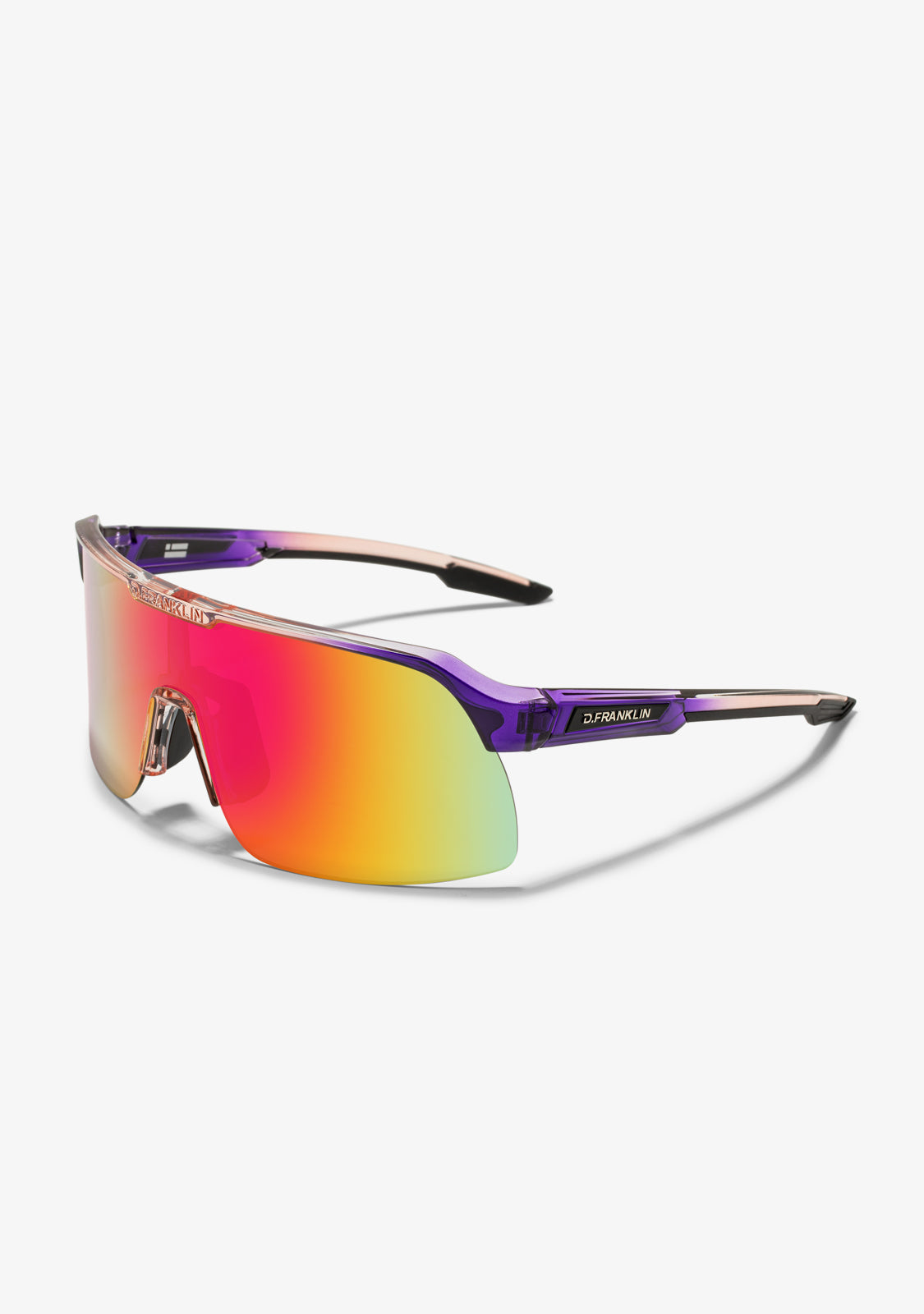
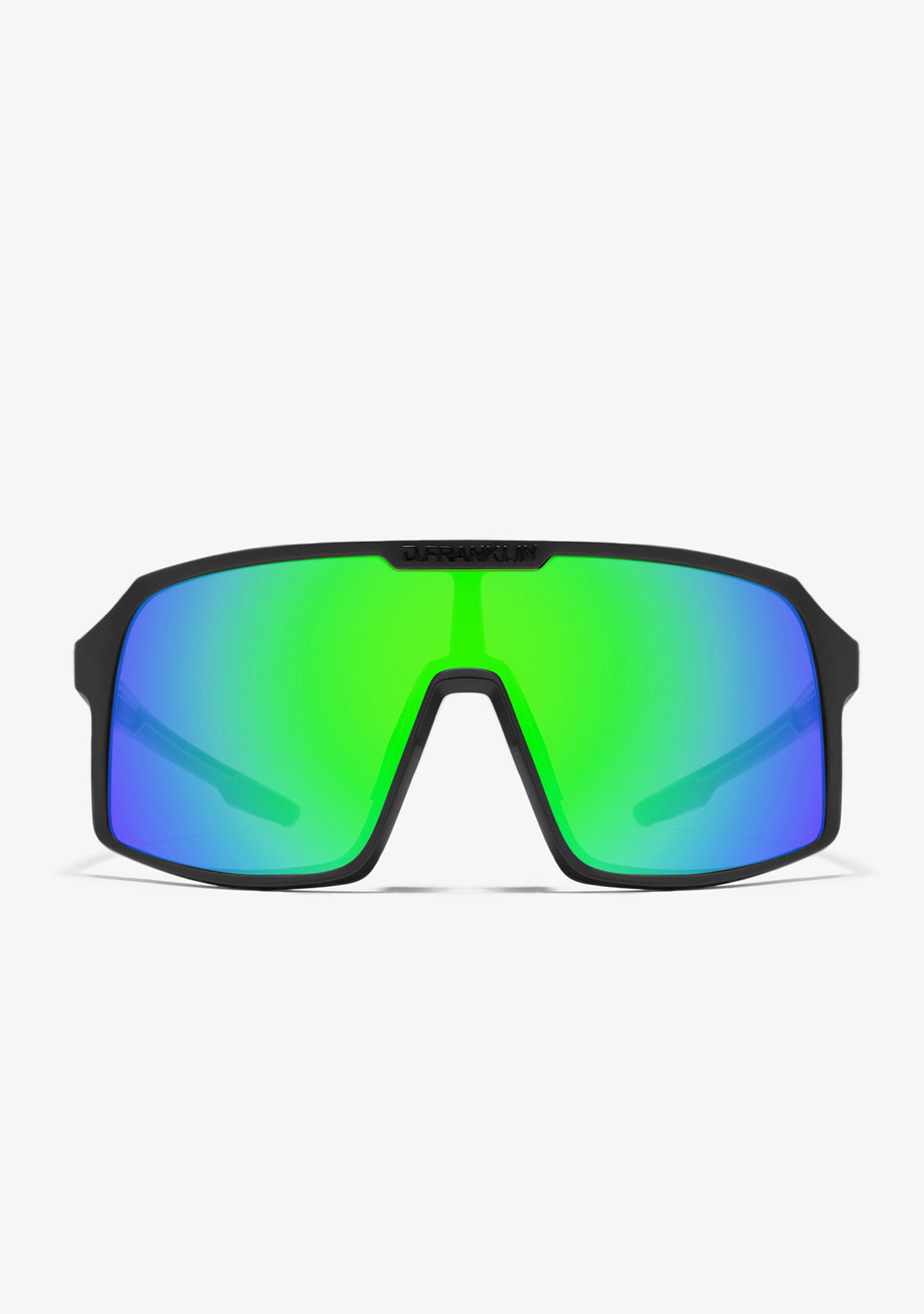
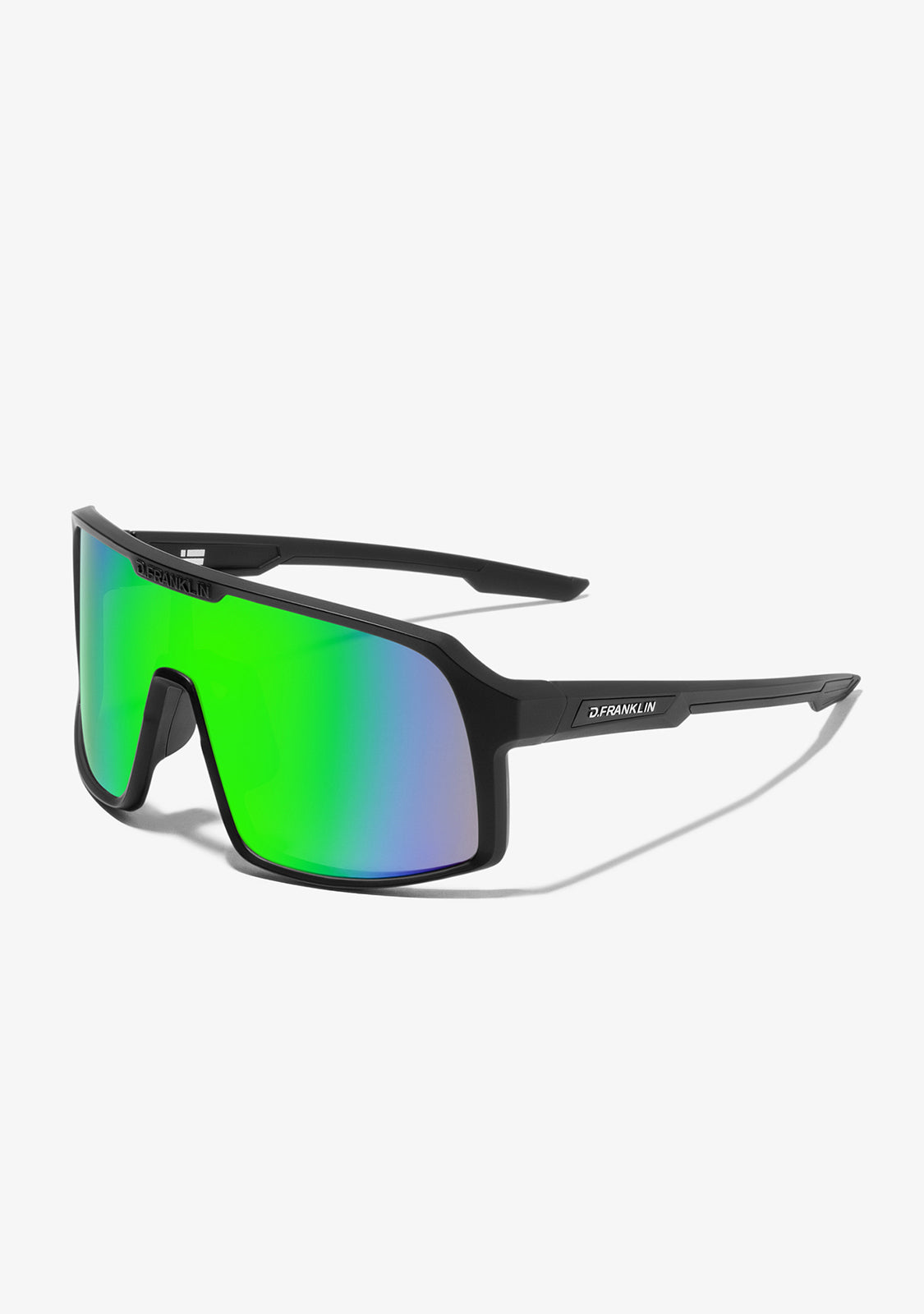
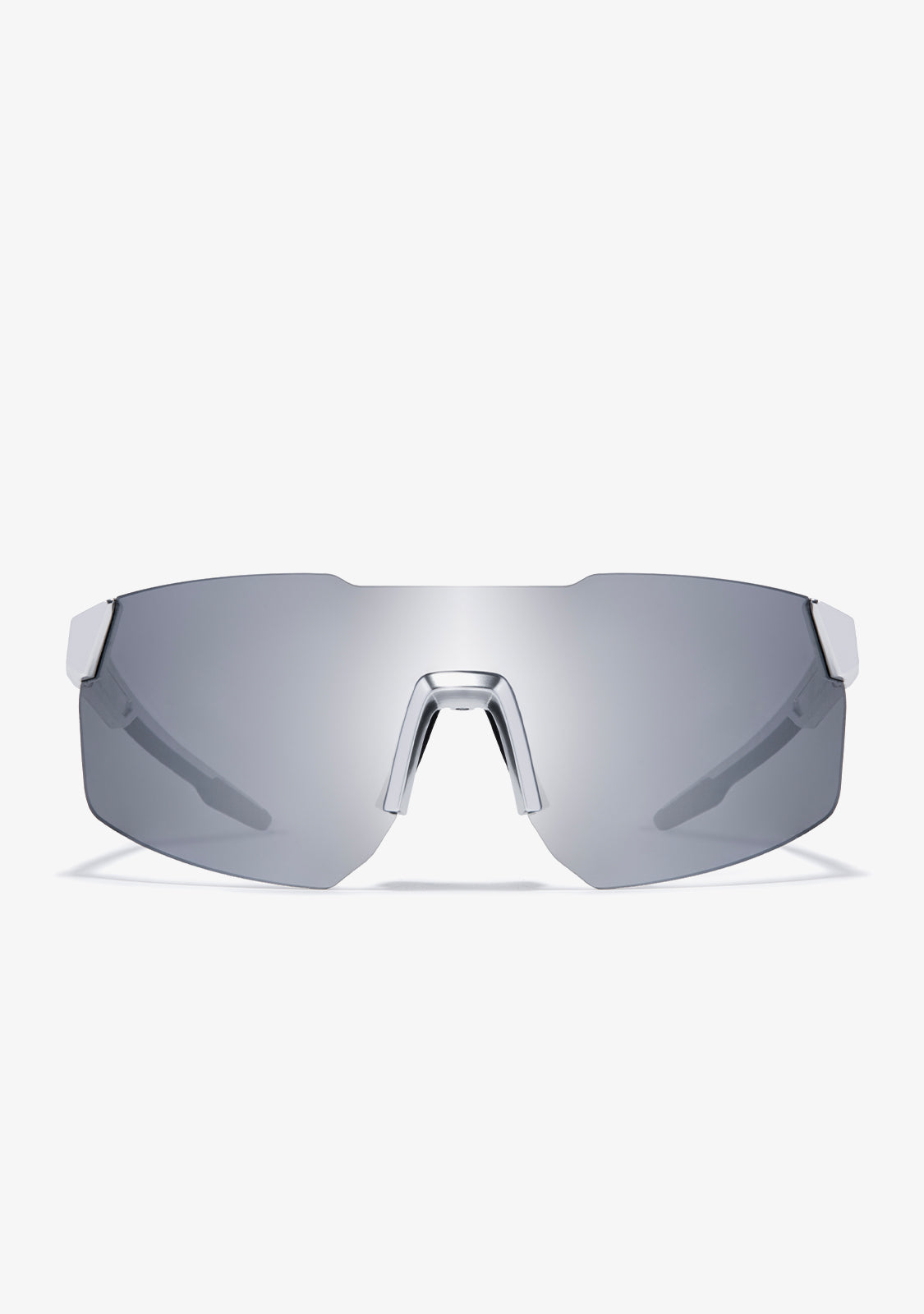
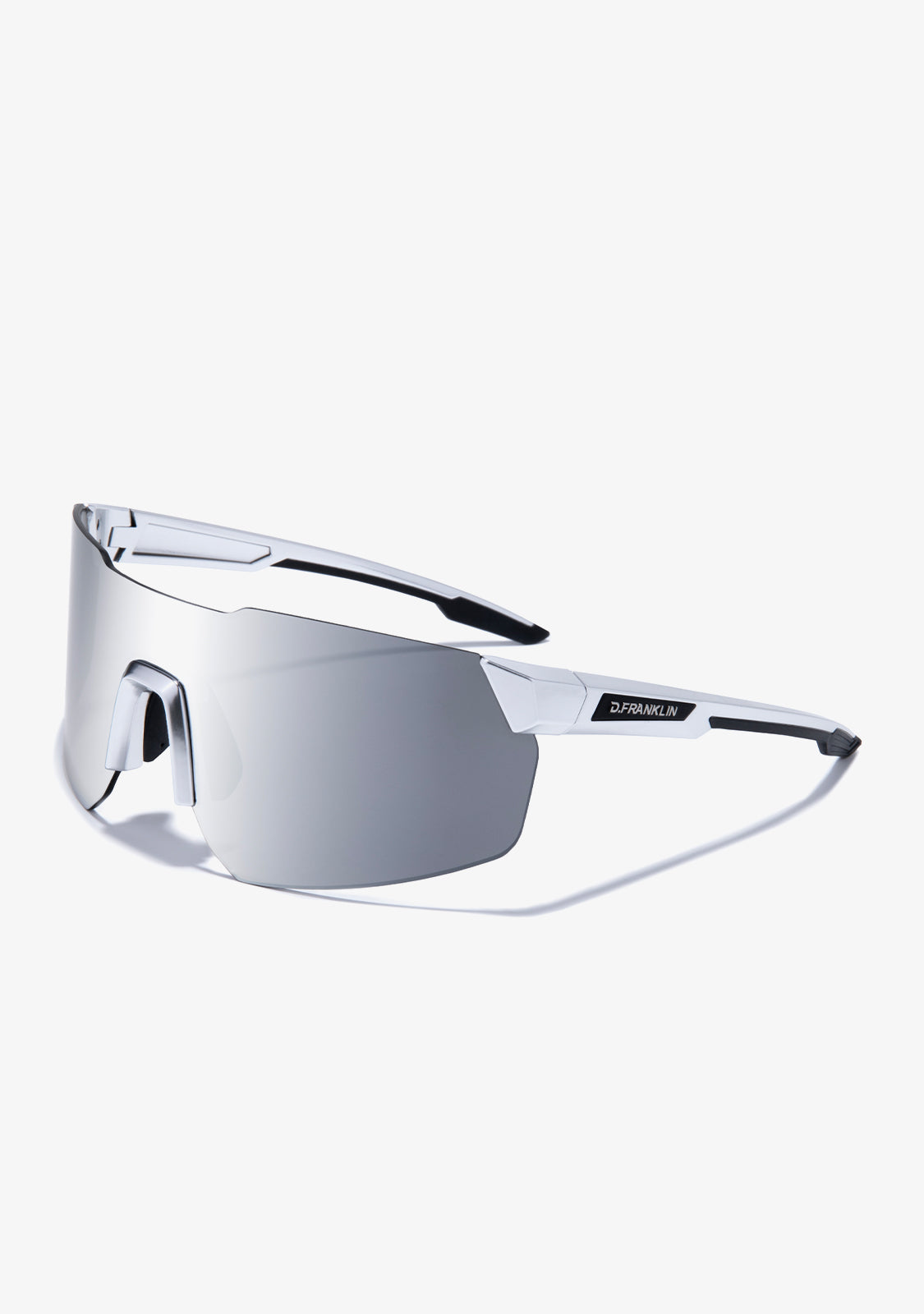
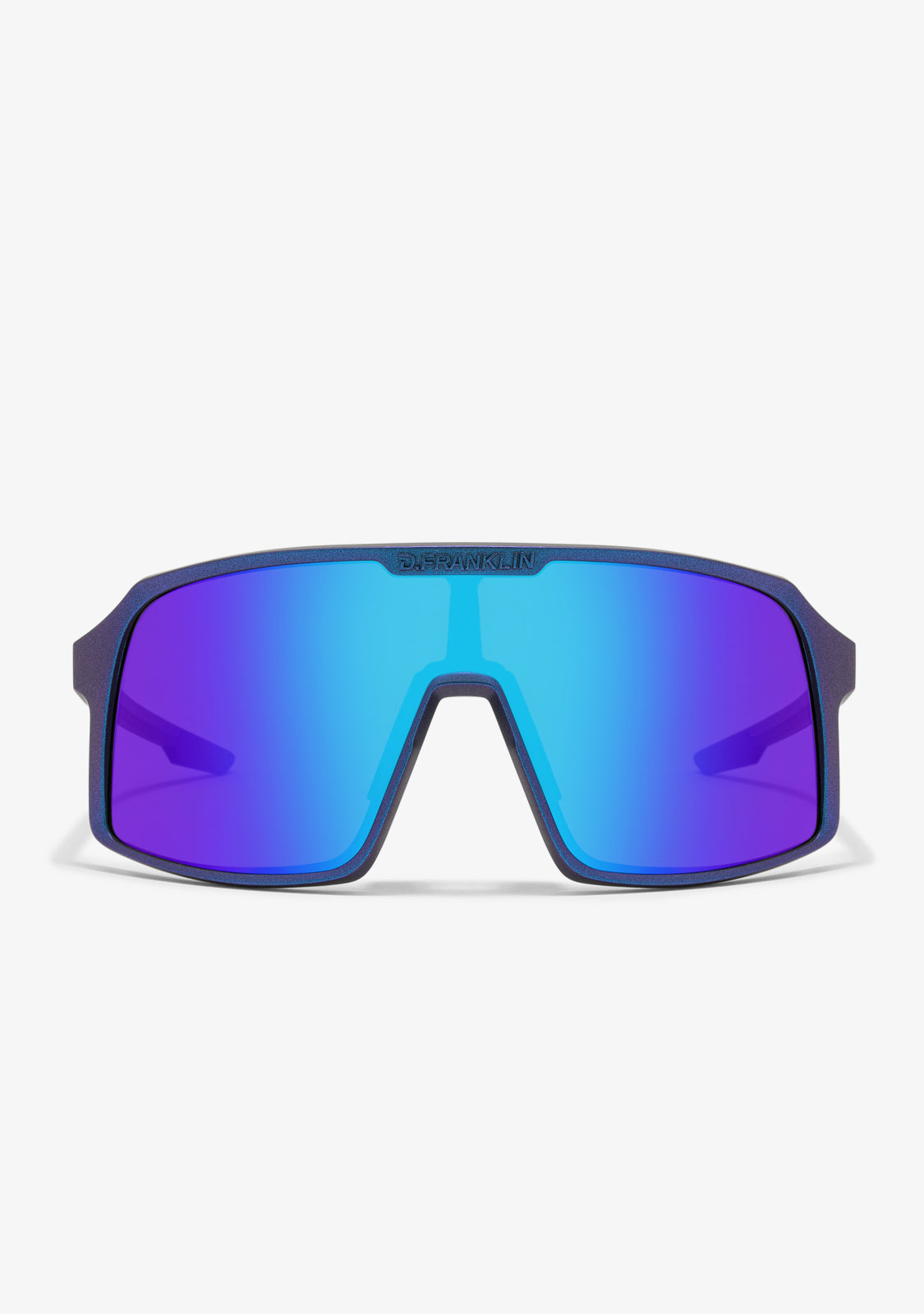
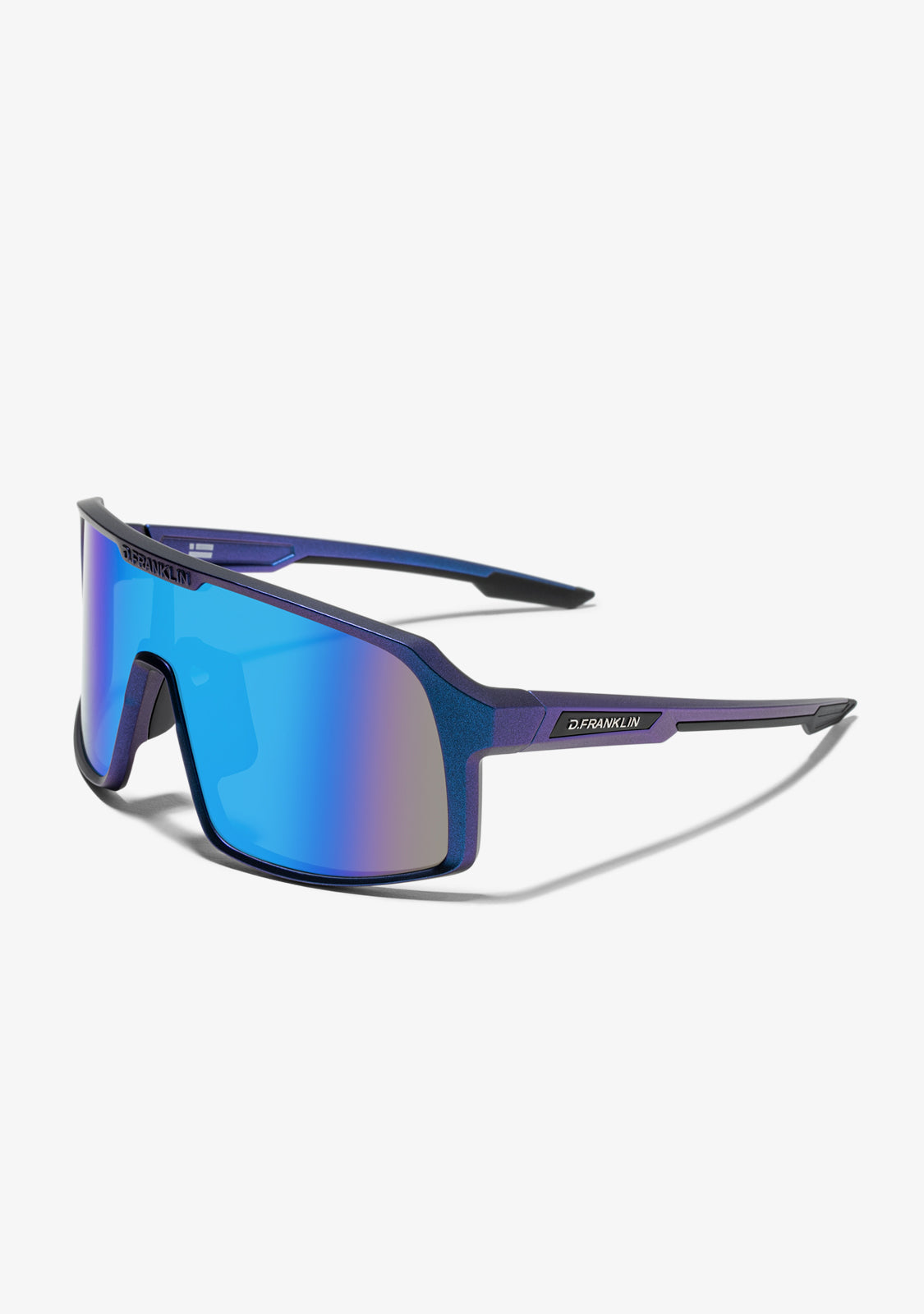
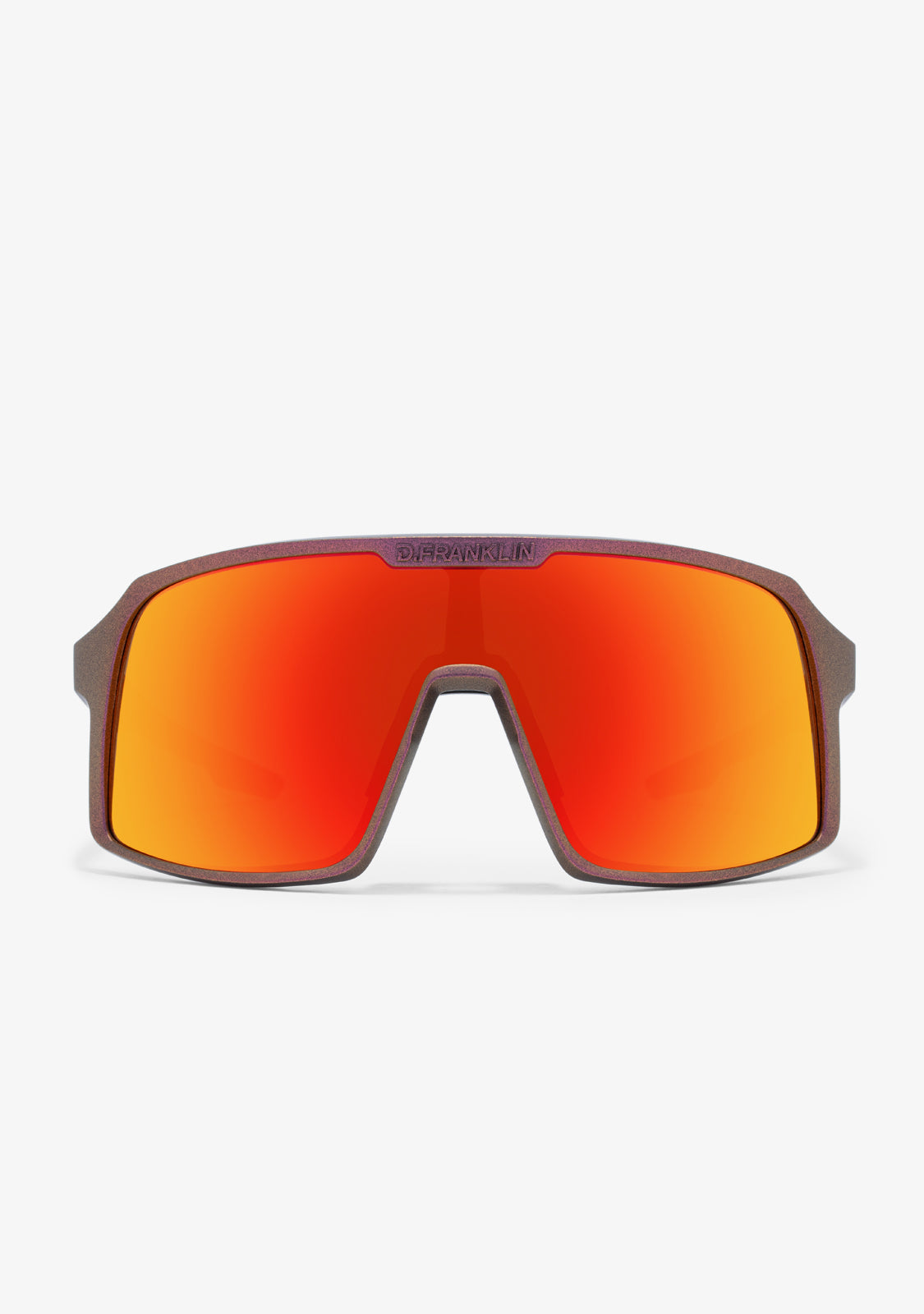
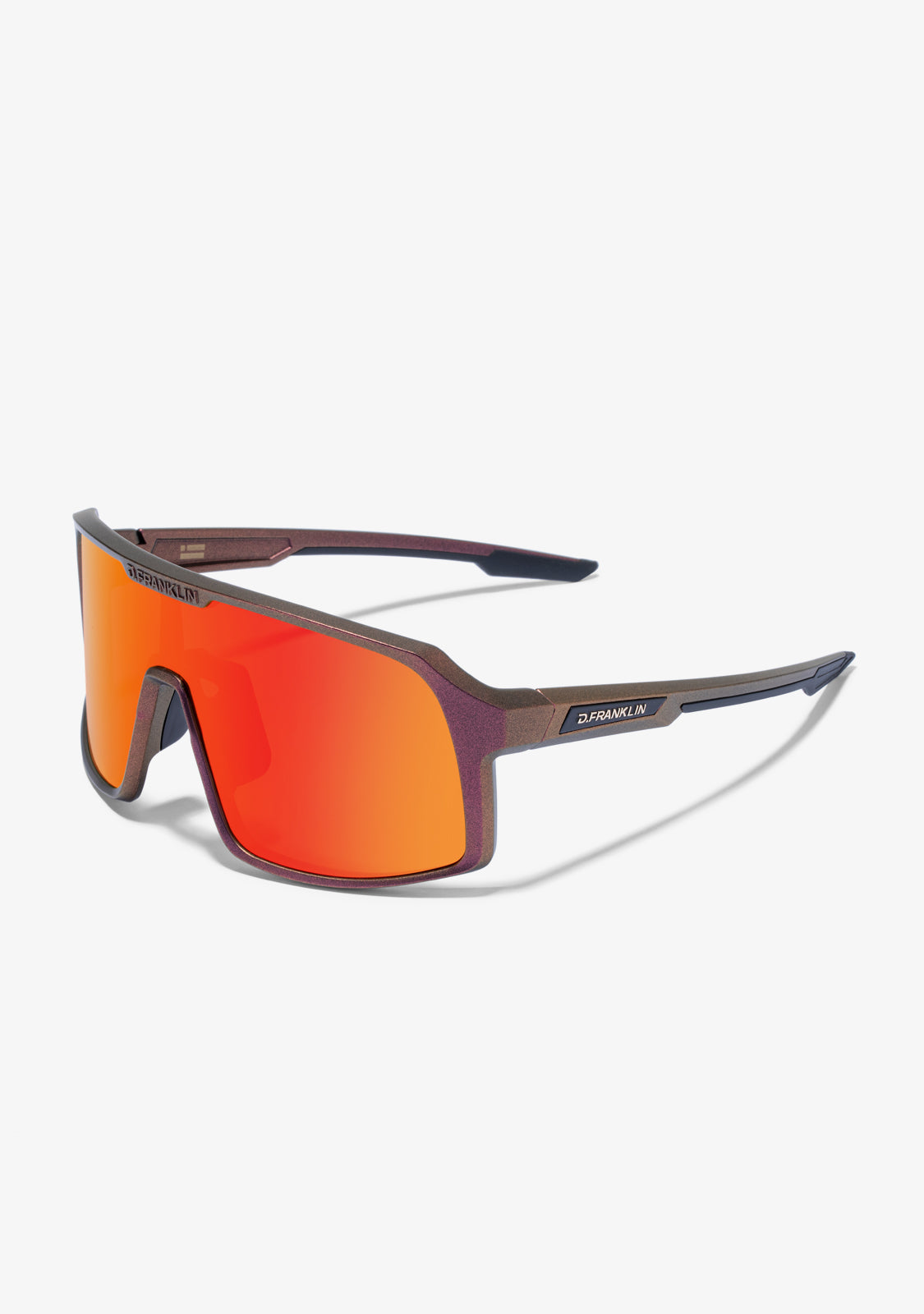
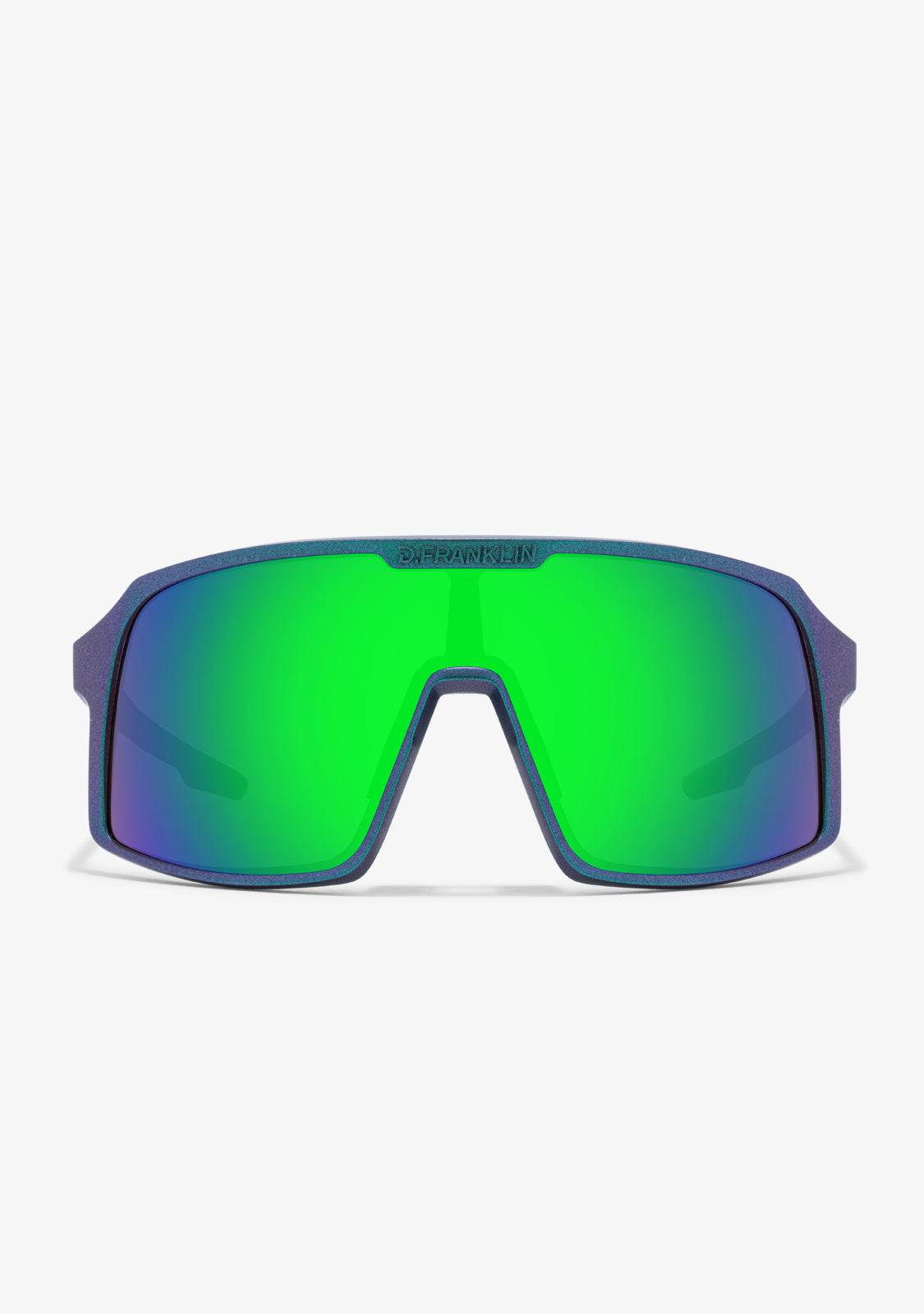
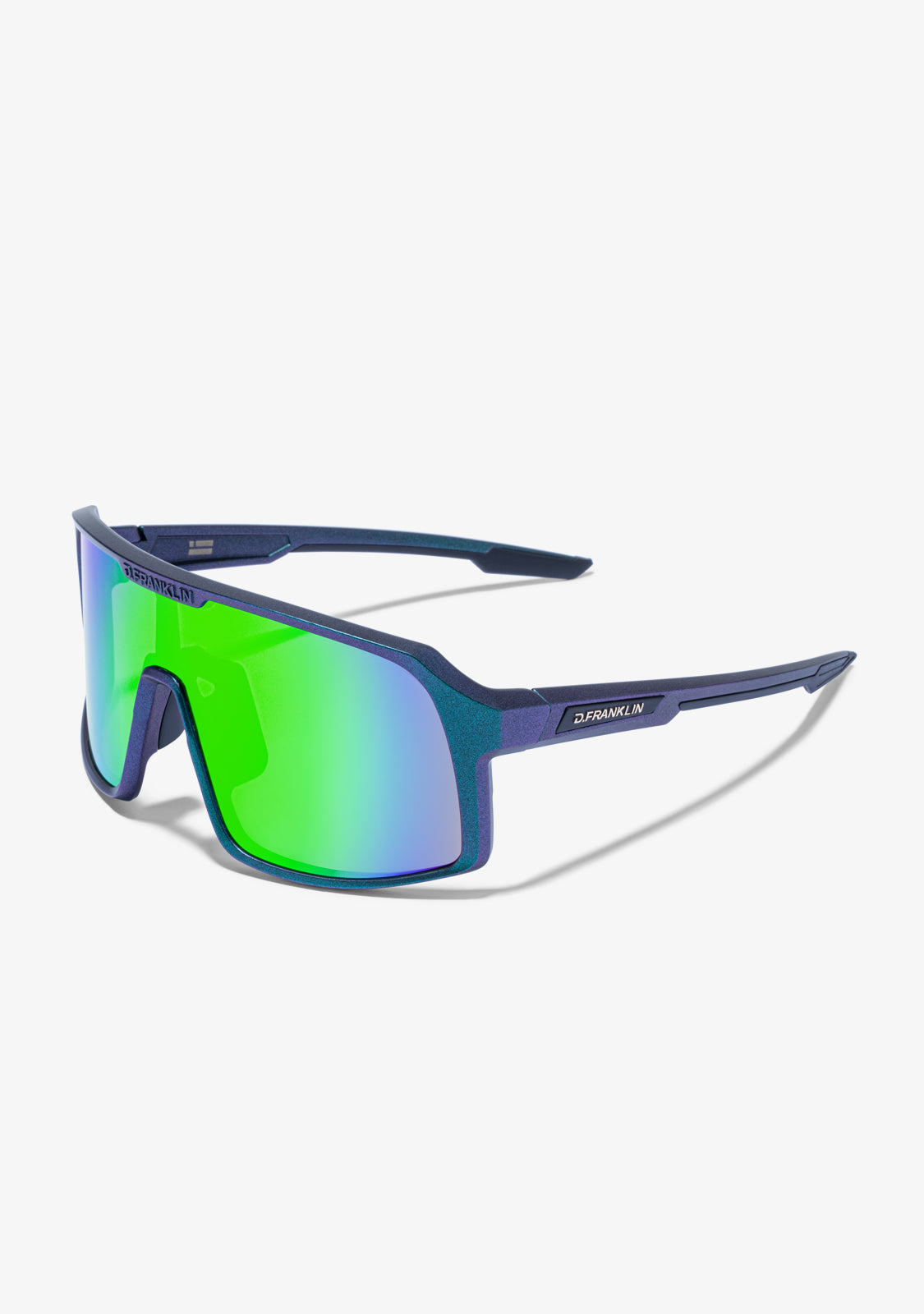
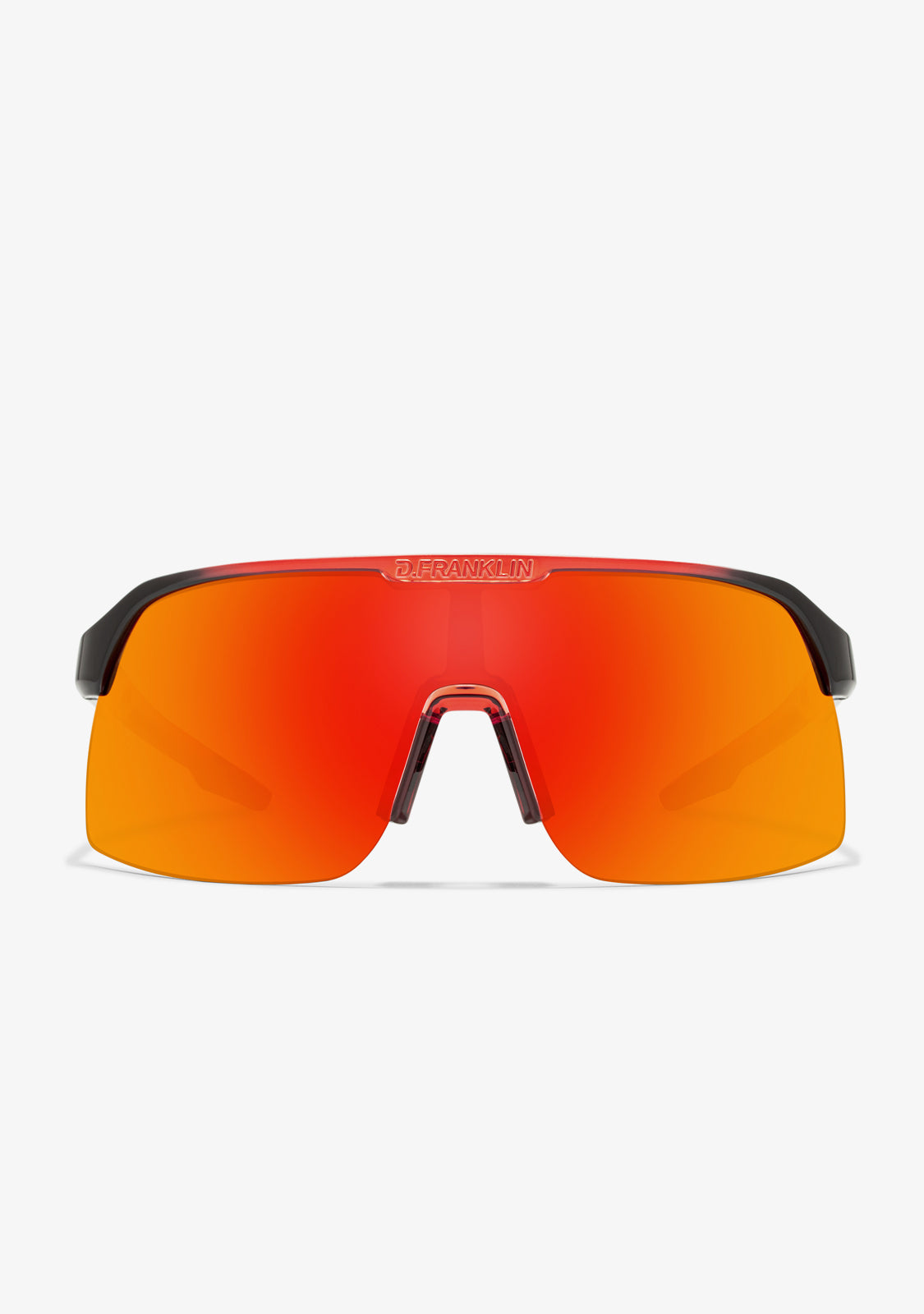
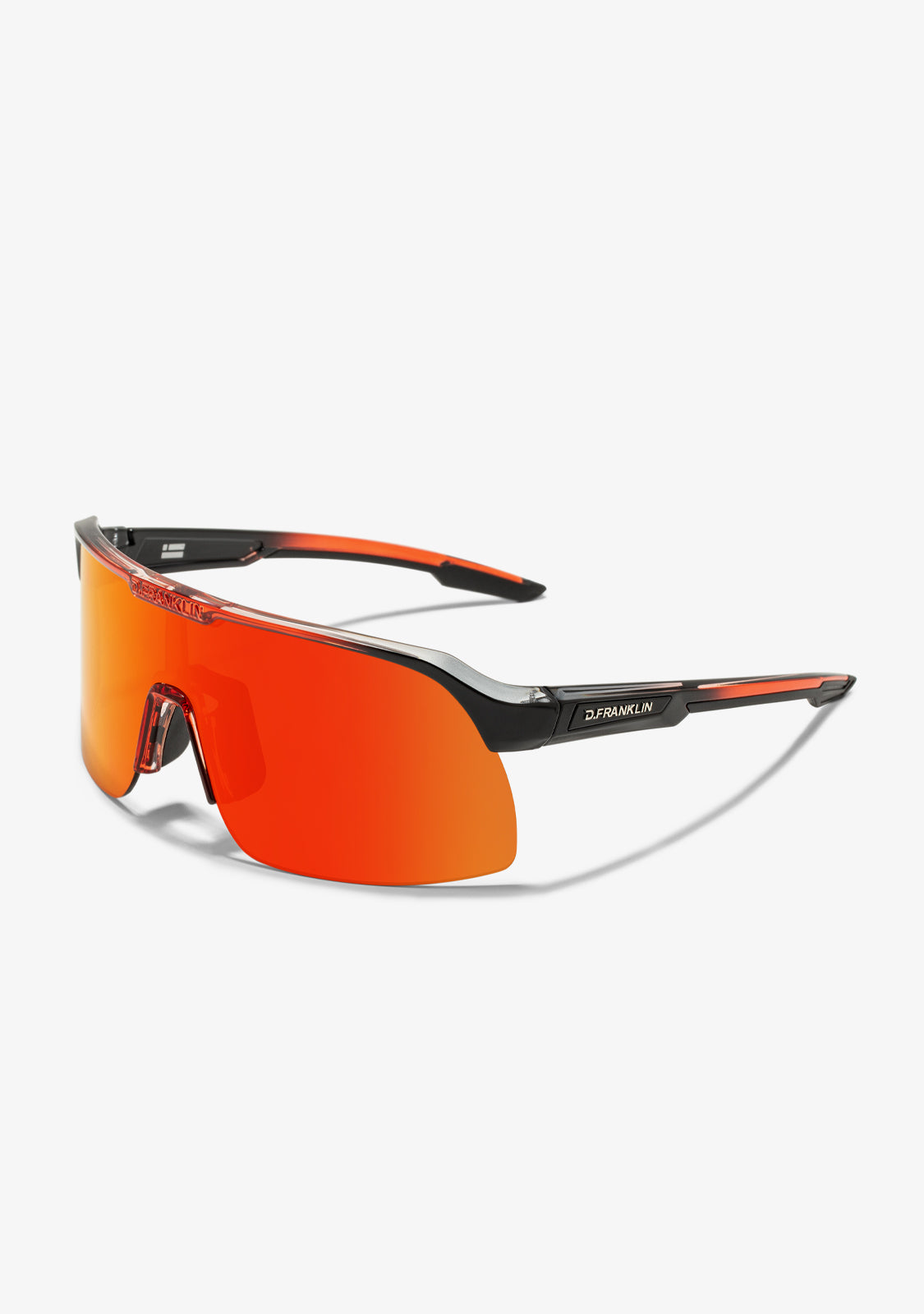
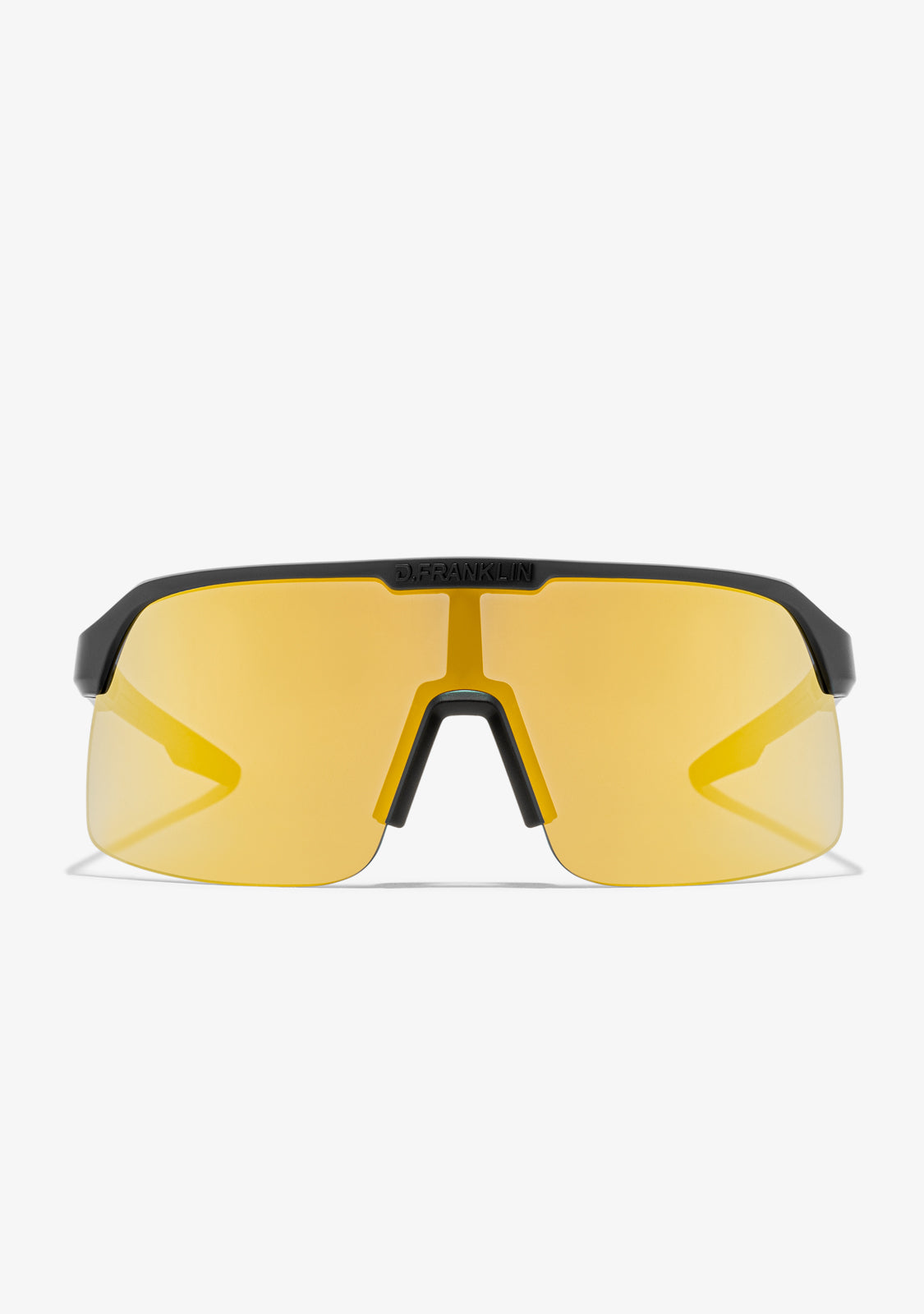
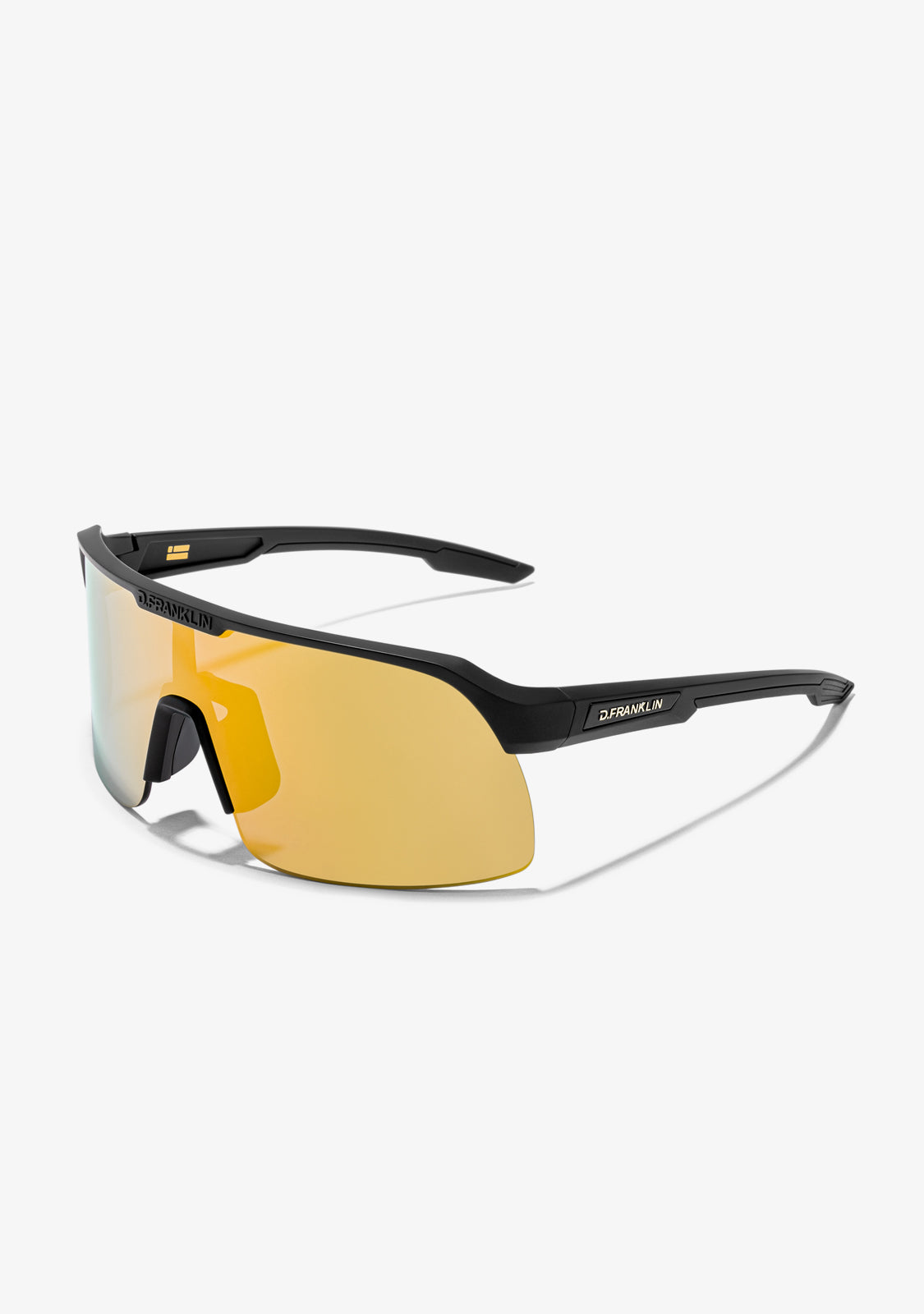
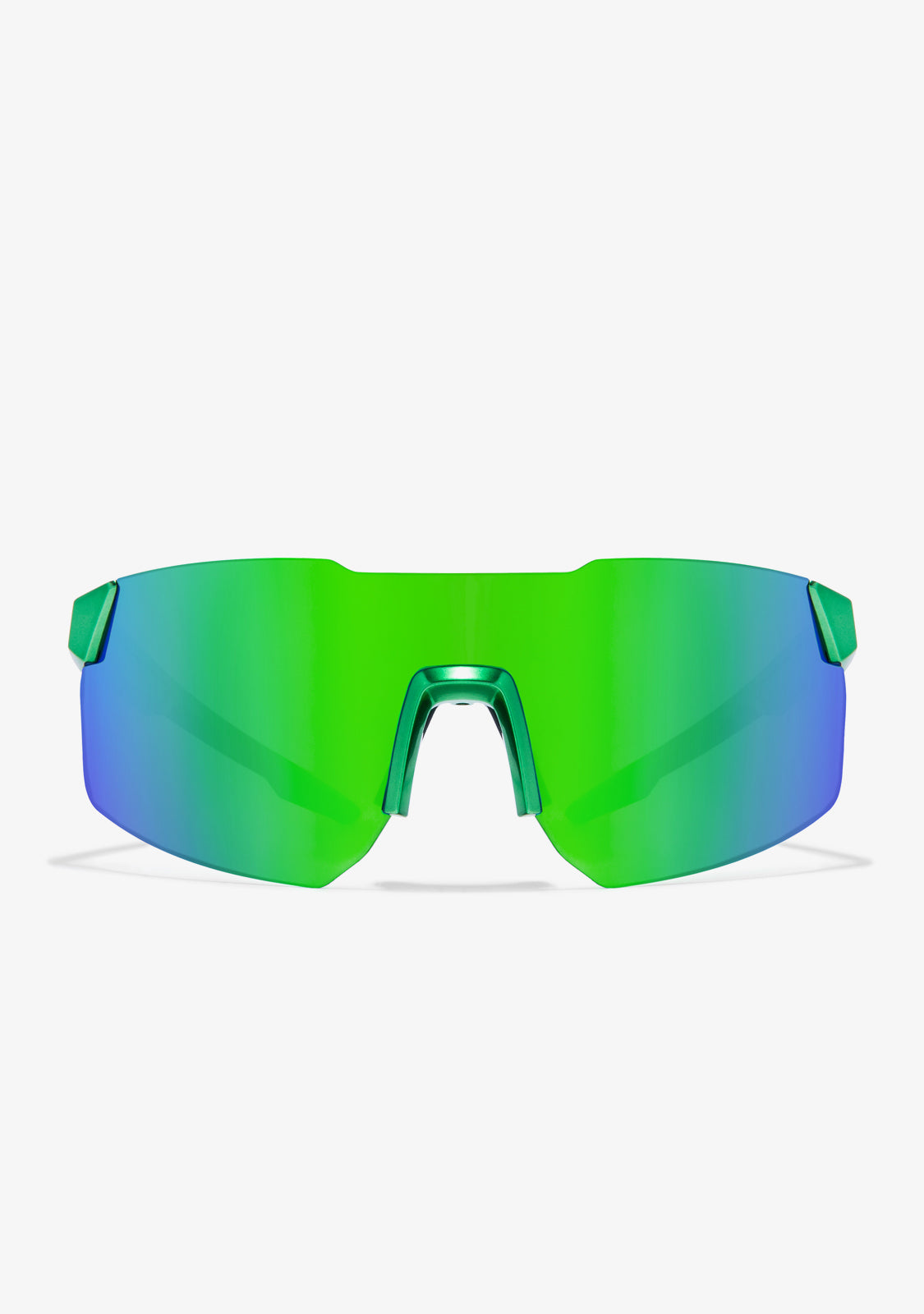
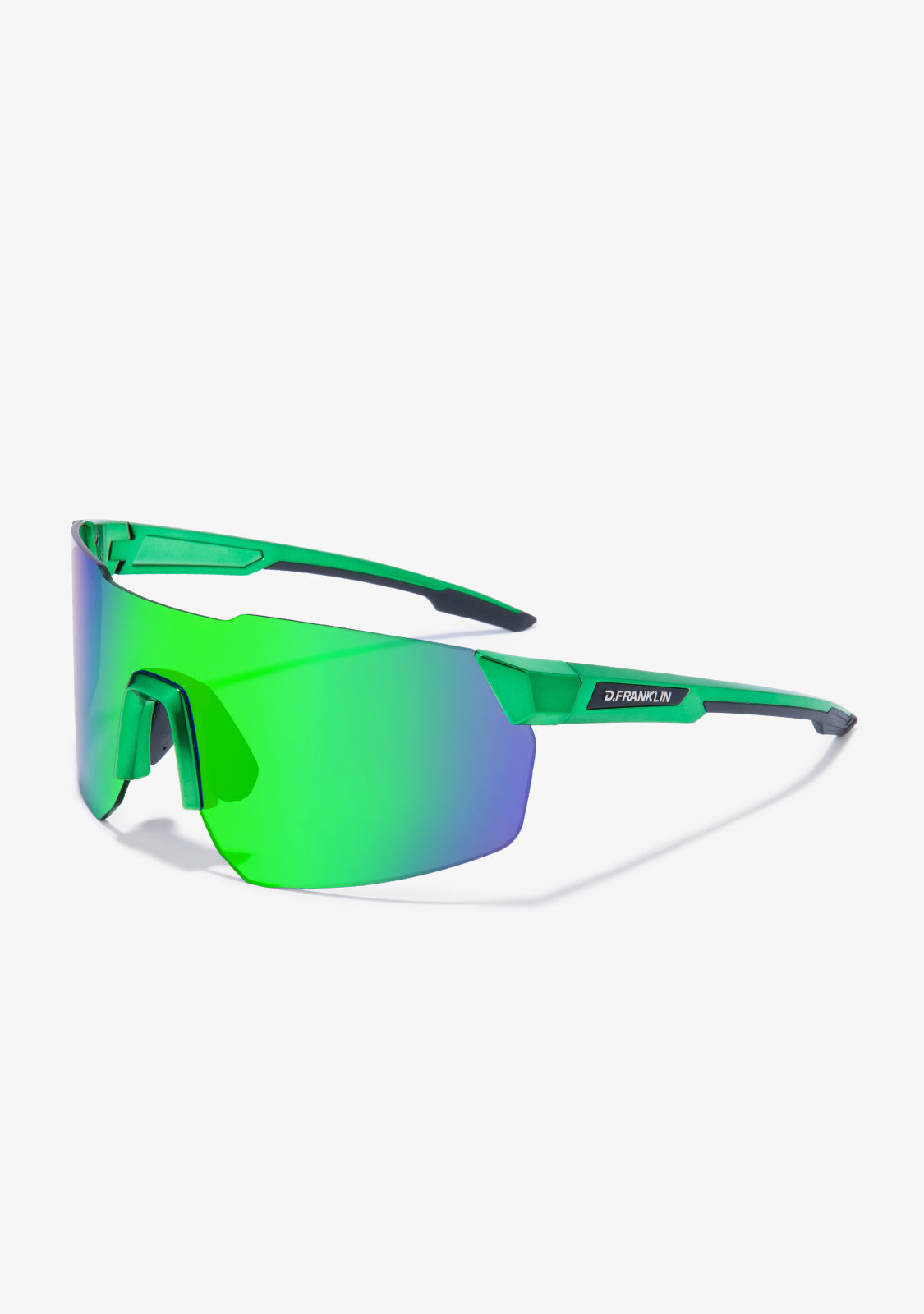
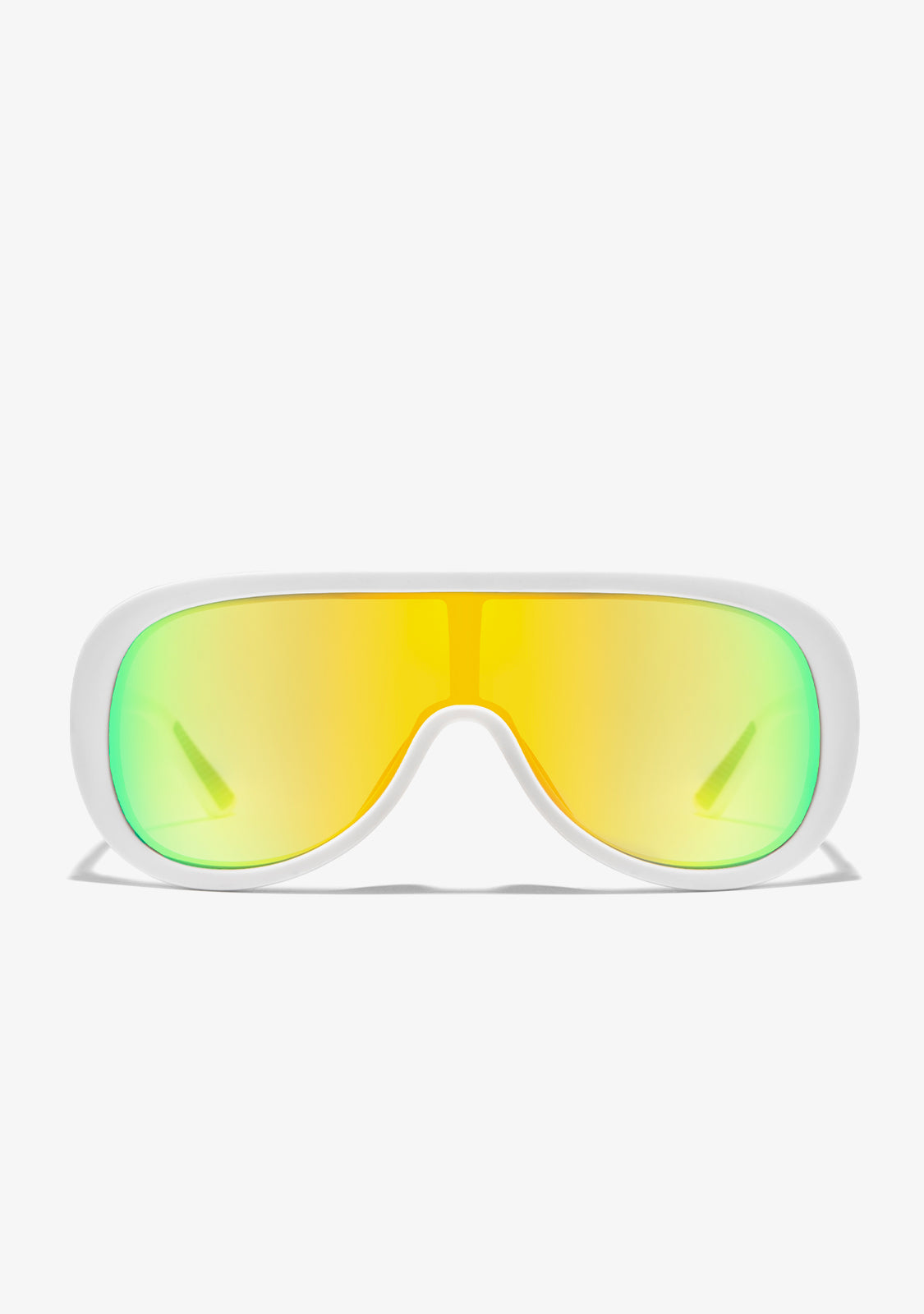
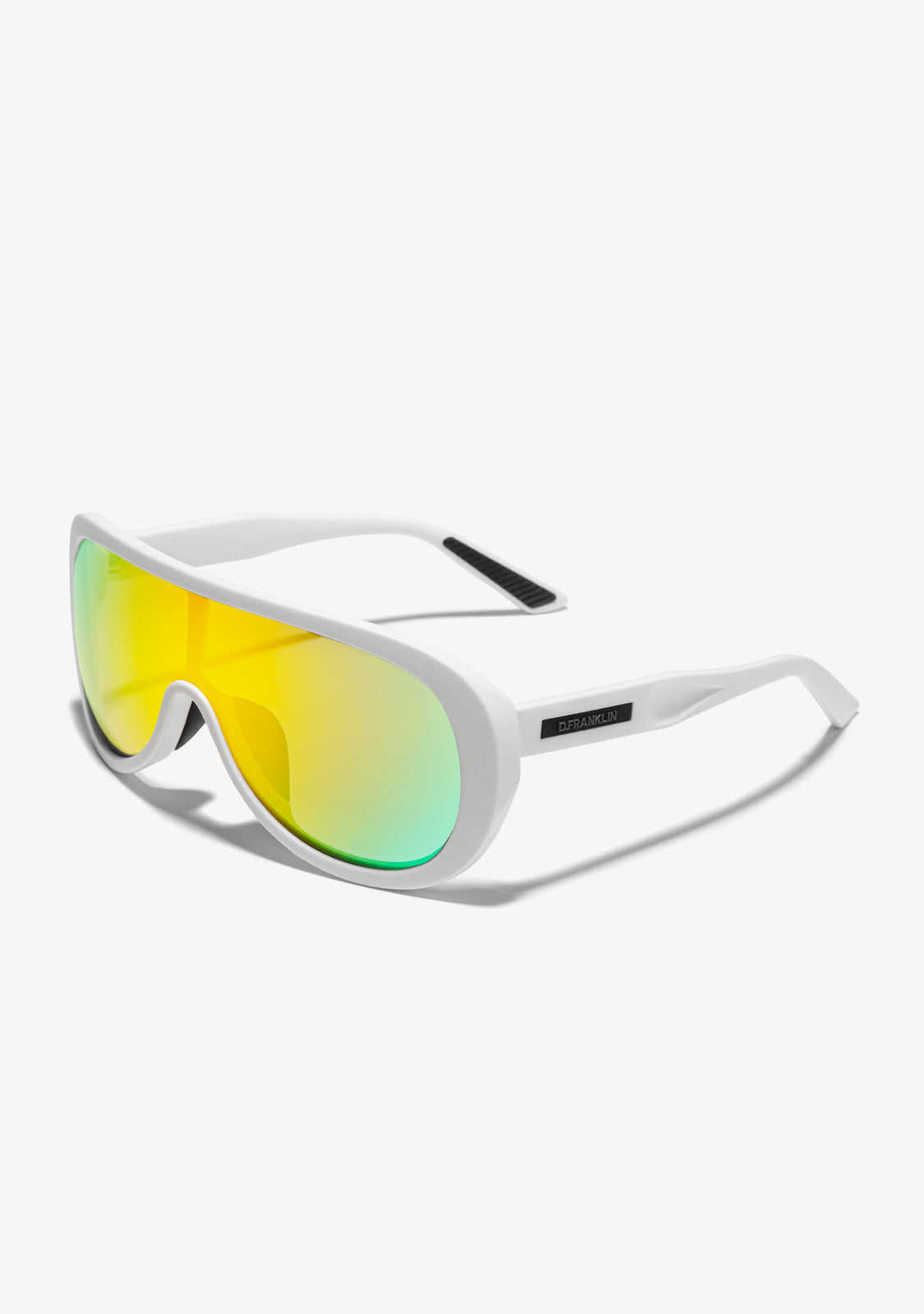
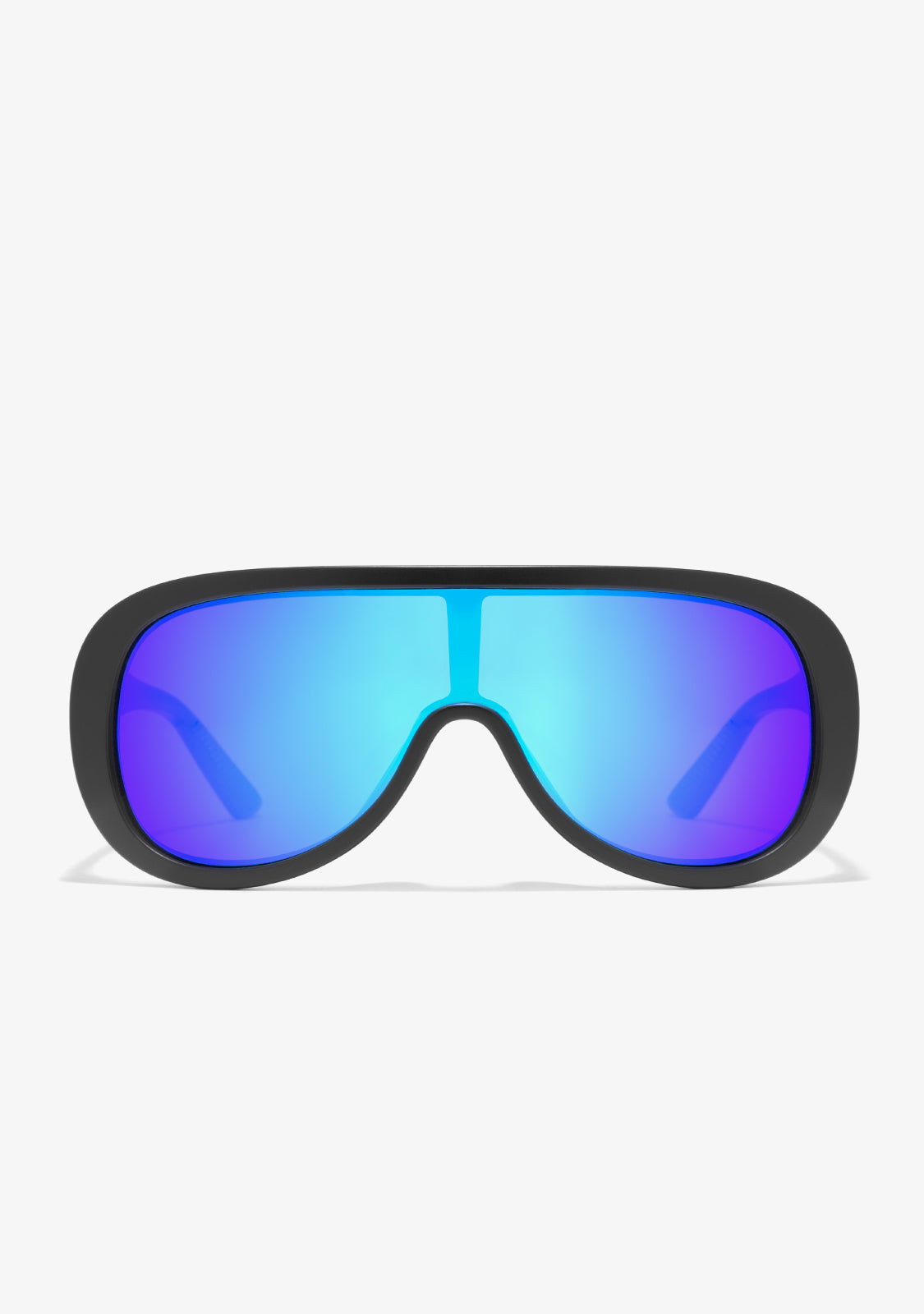
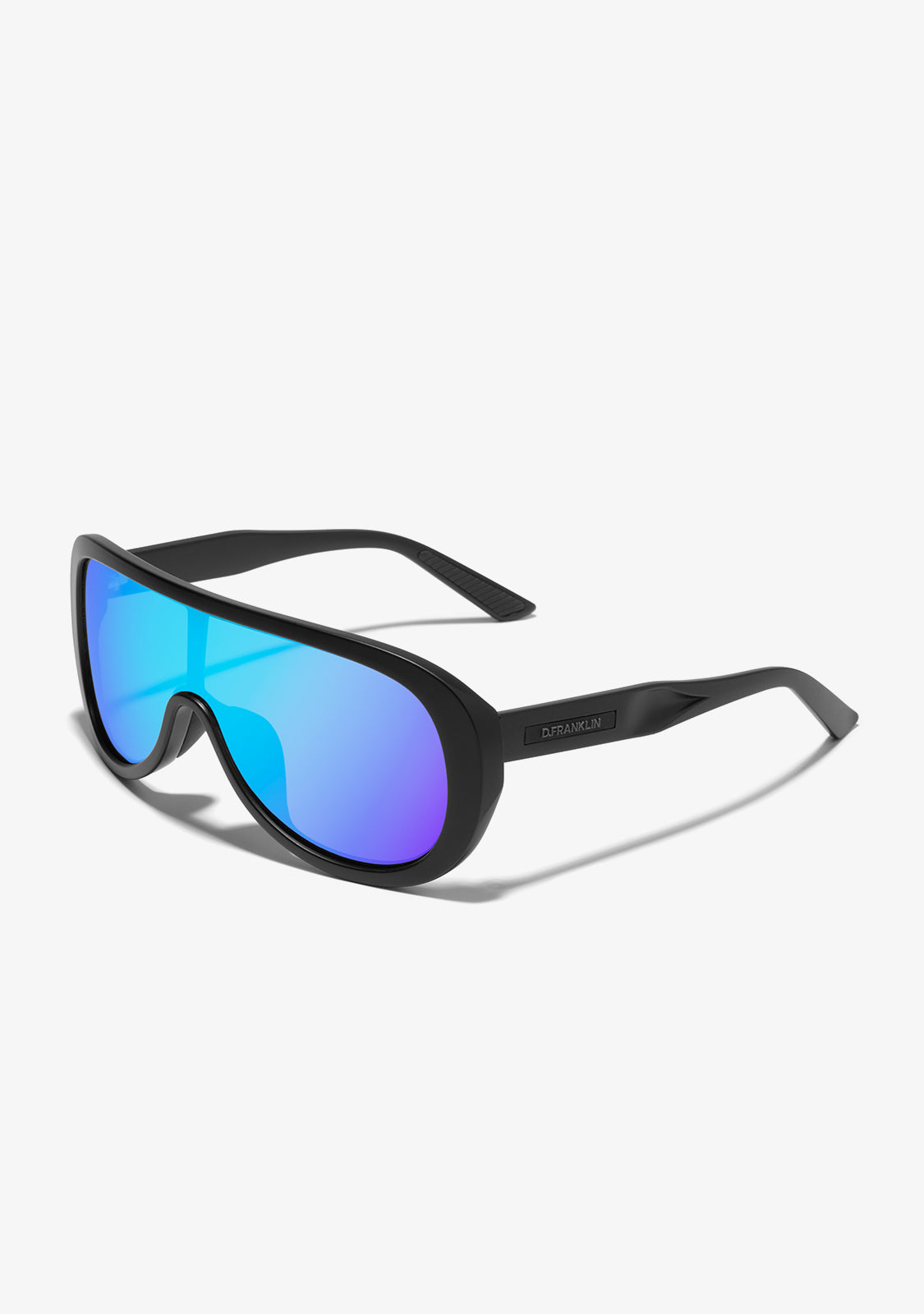
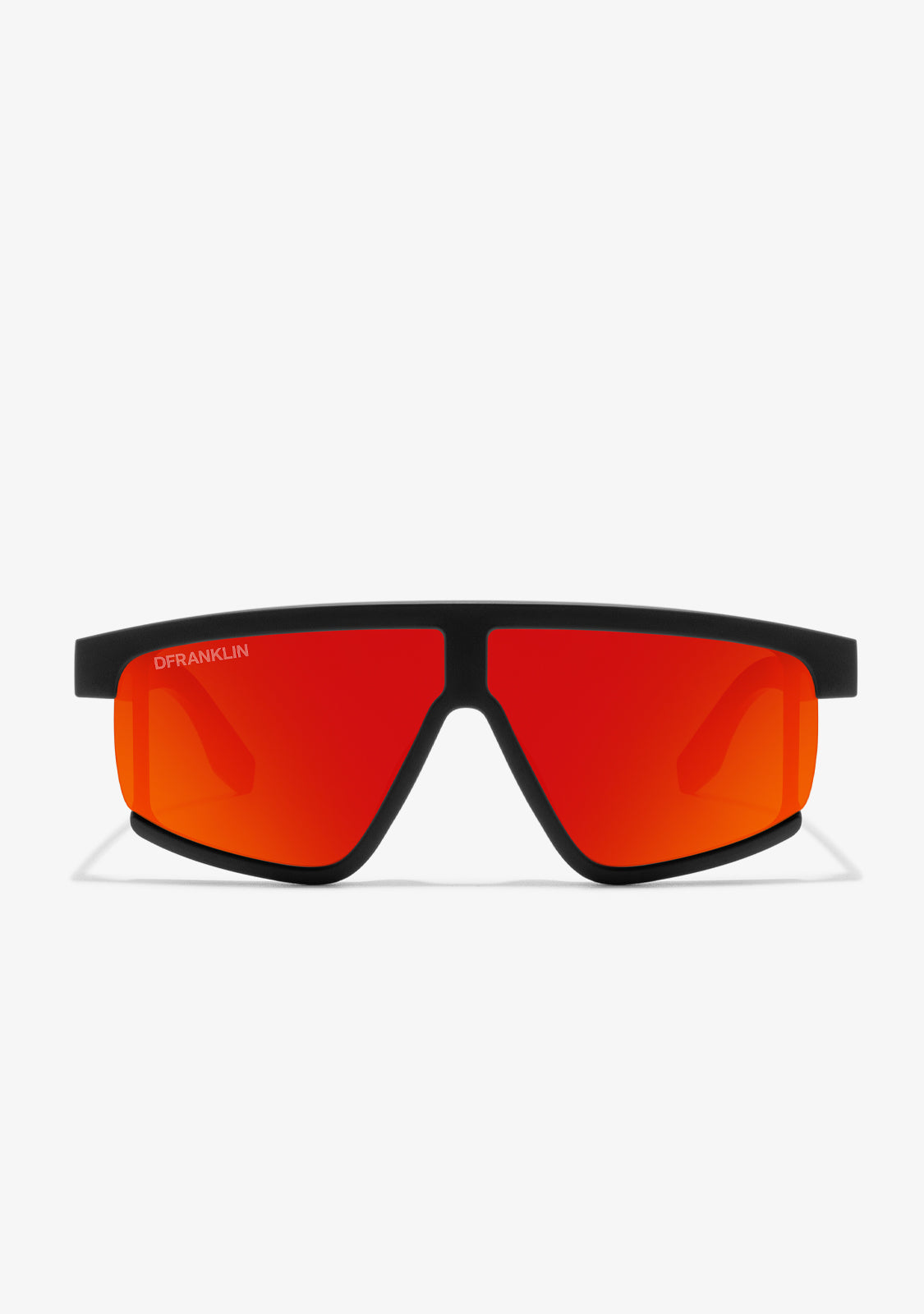
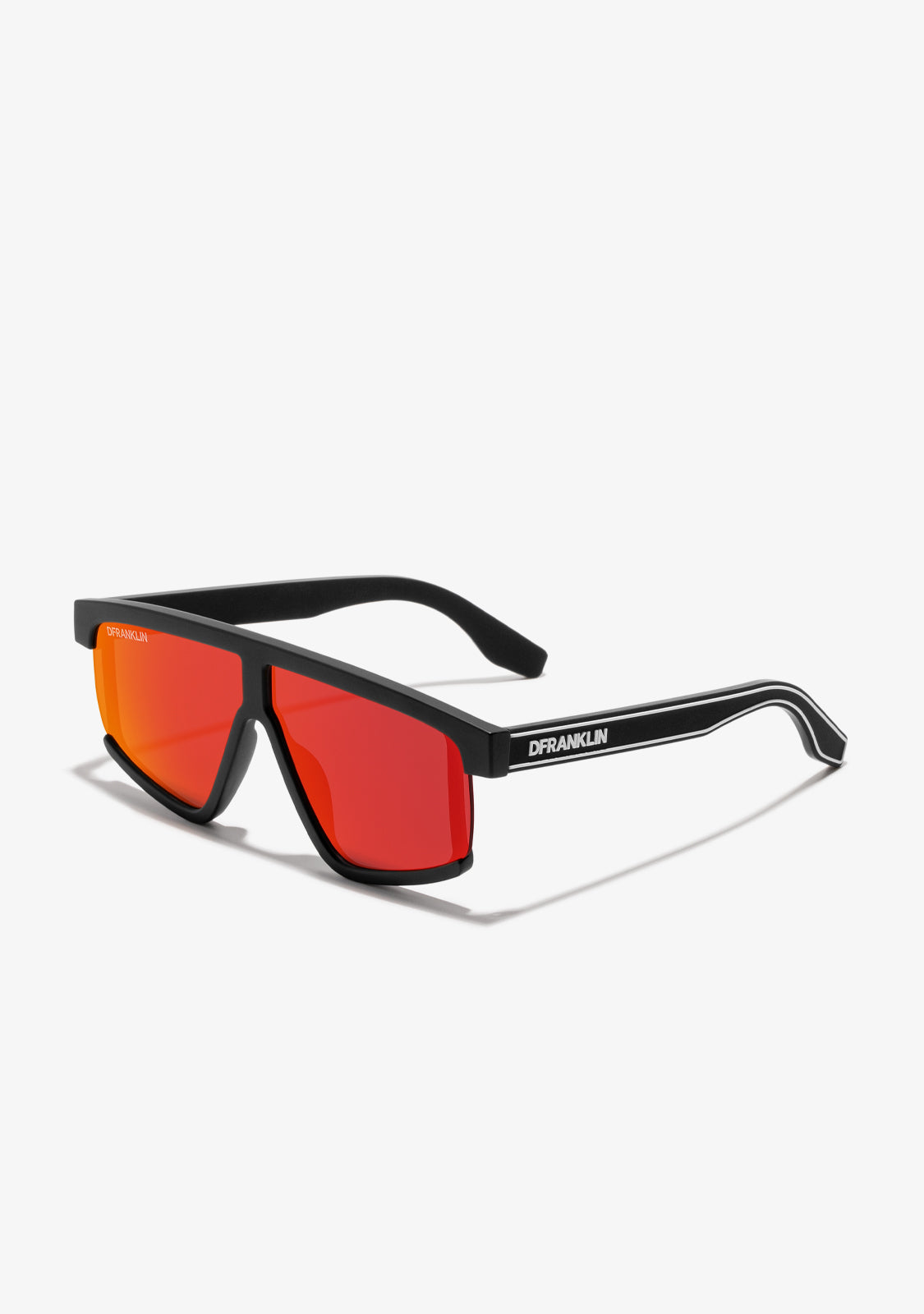
D.Franklin mirrored sunglasses stand out through the reflective finish on the outside of the lenses. Compare colours and shapes across urban and sporty silhouettes.
Mirrored describes a lens finish. Check filter category, UV protection and any other stated technology separately for the chosen design.
Mirrors and gradients create different effects
A mirror reflects light at the outer surface; a gradient introduces a transition in tint. Compare gradient sunglasses for that second effect. Both can coexist where the specifications state this.
The external reflection changes with light and viewing angle. Compare that finish with the front and temple colours: a subtle frame can let the mirror take the lead, while a thick frame adds another visible element. Look at several images of the same variant before judging the contrast.
Colour, coverage and activity
The outer lens colour can contrast with the frame. For exercise, compare stability and equipment compatibility in women's sports sunglasses, alongside your preferred finish.
For sport, compare the finish alongside specific needs: coverage when looking sideways, clearance from a helmet and stability when lowering your head. For casual outfits, consider the shine alongside metal accessories or printed clothing. The mirror is an appearance choice; filter category and stated technologies are separate selection criteria.
What to check before choosing
- Front width, bridge size and temple length.
- Stable contact without pressure on your nose or temples.
- Stated lens type, filter category and UV protection.
- Frame and lens colours considered separately.
Fit and care
Check the fit while tilting your head and smiling: the frame should not keep slipping or touch your cheeks. Remove particles before cleaning, use a clean microfibre cloth and follow the finish's care instructions. Store your glasses in their case away from direct heat. For a broader comparison, explore men's sports sunglasses.
Frequently asked questions
Can I compare mirror colours using just one photograph?
Use several images of the same variant if available. Lighting and angle can change the visible reflection; also check the colour name and lens features. Do not infer from a photograph how your view through the lens will look.
Will I see everything in the colour of the outer mirror?
Do not infer the view through the lens from its outer reflection. Check the lens tint and specifications, which may differ from the colour visible outside.
Are mirrored sunglasses only for sport?
No. There are different silhouettes and uses. For exercise, assess fit, coverage and declared use instead of choosing solely by finish.
Can lenses be both mirrored and photochromic?
They can combine these features if stated. Photochromic technology changes tint under specified conditions; a mirrored finish alone does not imply this behaviour.
Do darker lenses provide more UV protection?
Tint and ultraviolet protection are different properties. Check the stated protection and filter category; colour alone confirms neither.
Which measurements should I compare with my current glasses?
Compare front width, bridge and temple length. Do not confuse the width of one lens with the width of the entire frame; use glasses that stay stable as a reference.
How do I clean lenses without damaging the finish?
Follow the design's instructions, remove dust first and use a clean microfibre cloth. Avoid rubbing with clothing or paper and do not use cleaners without confirmed compatibility.
You may also like
Sunglasses

