

You may also like
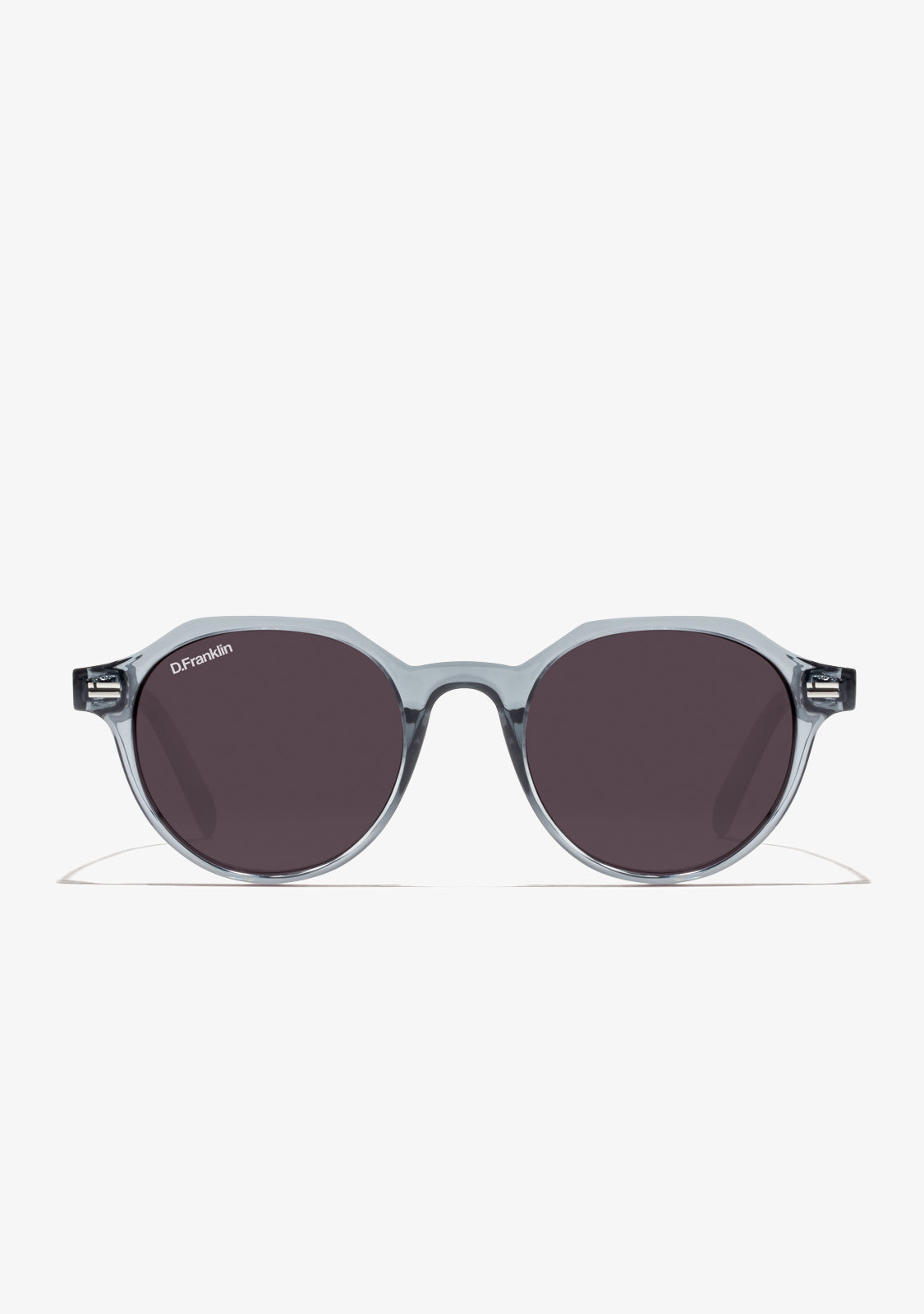
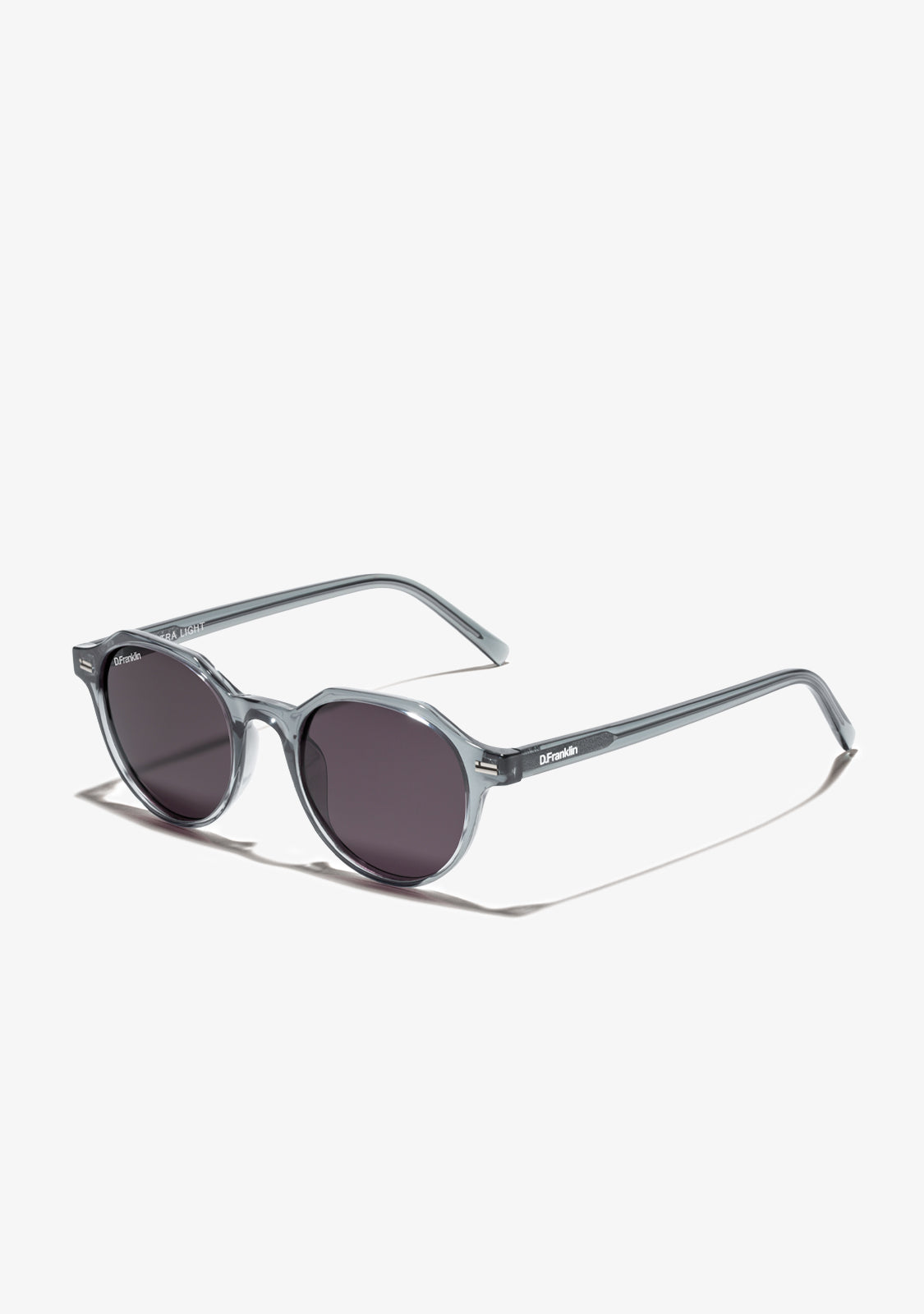

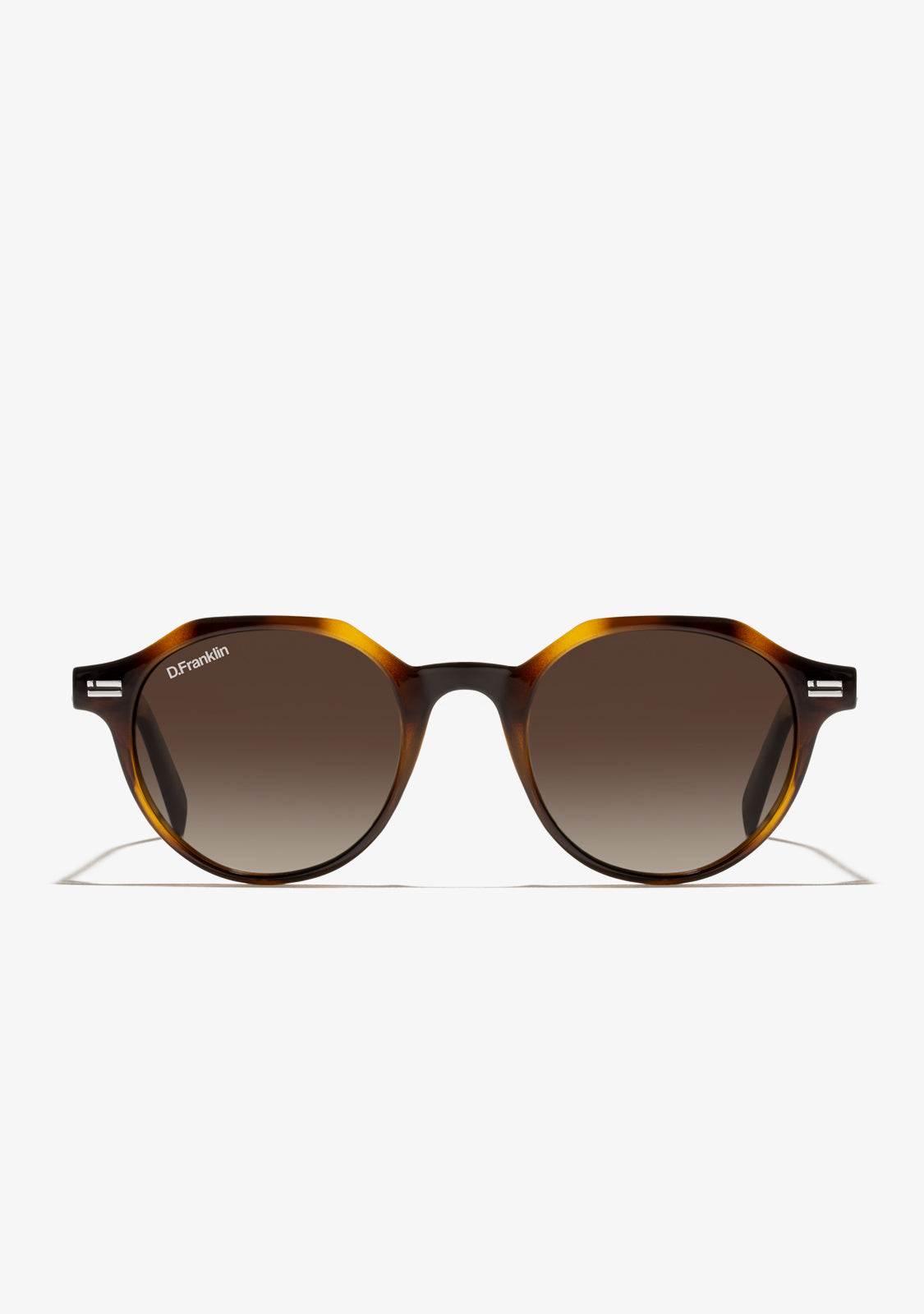
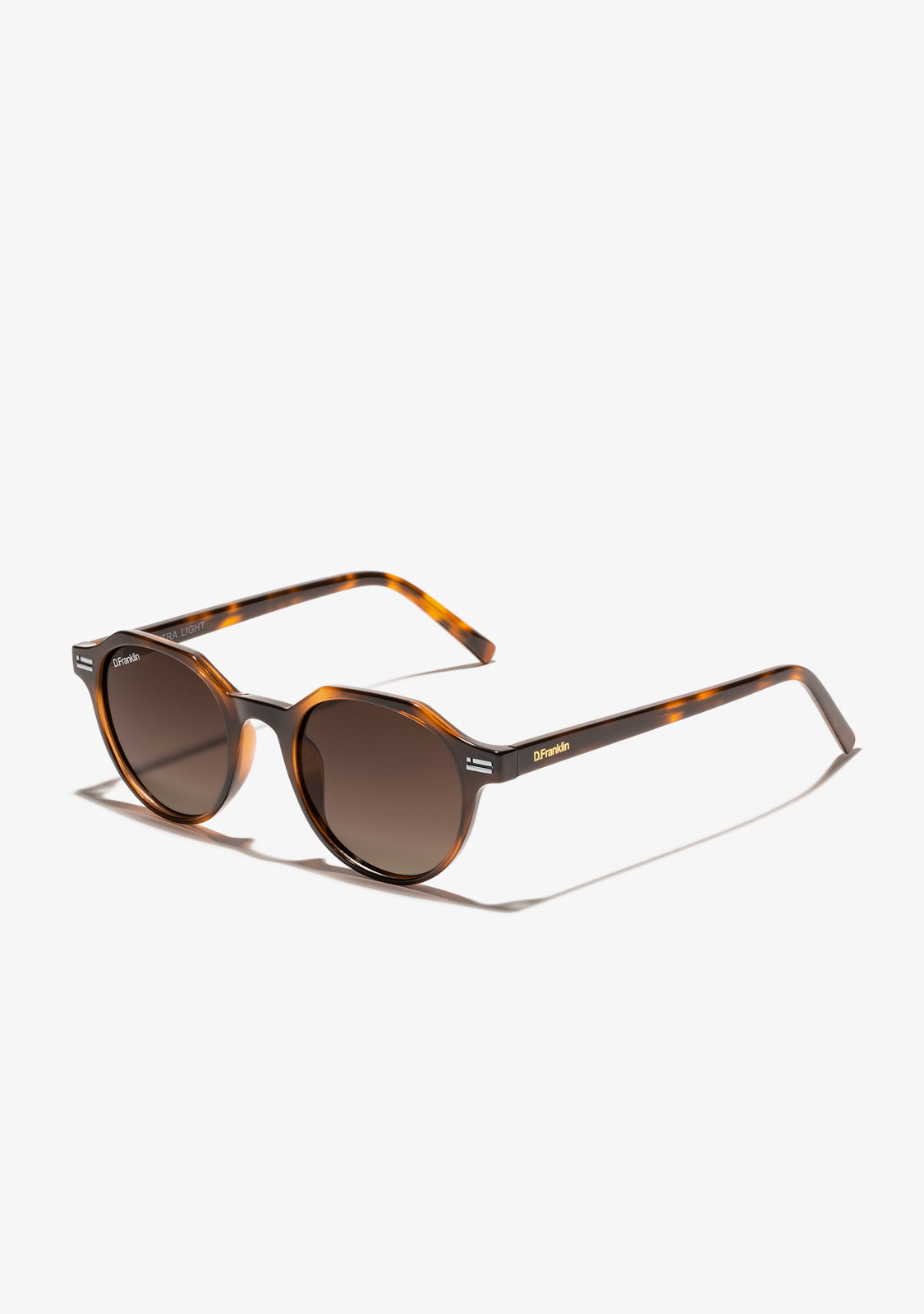

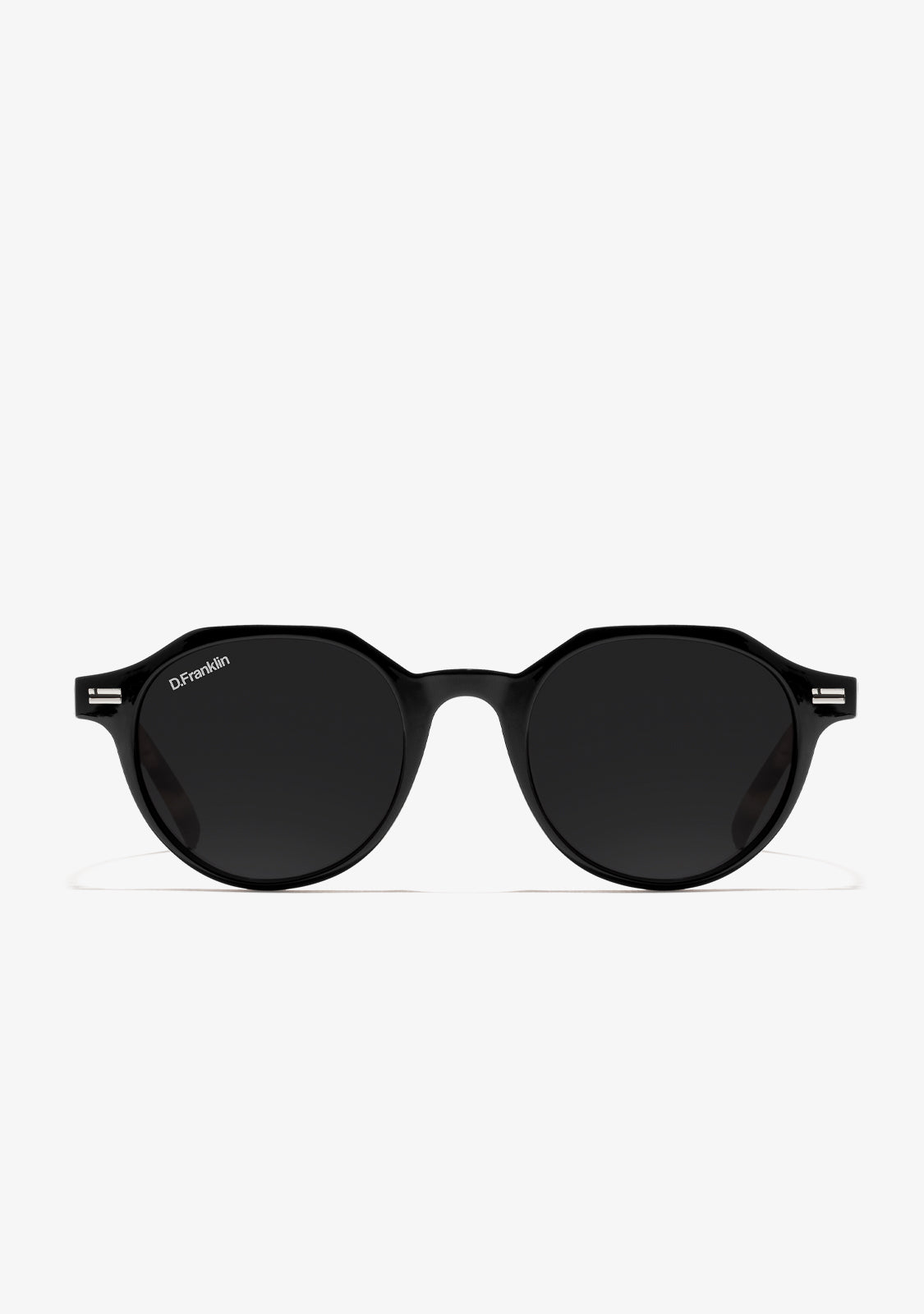
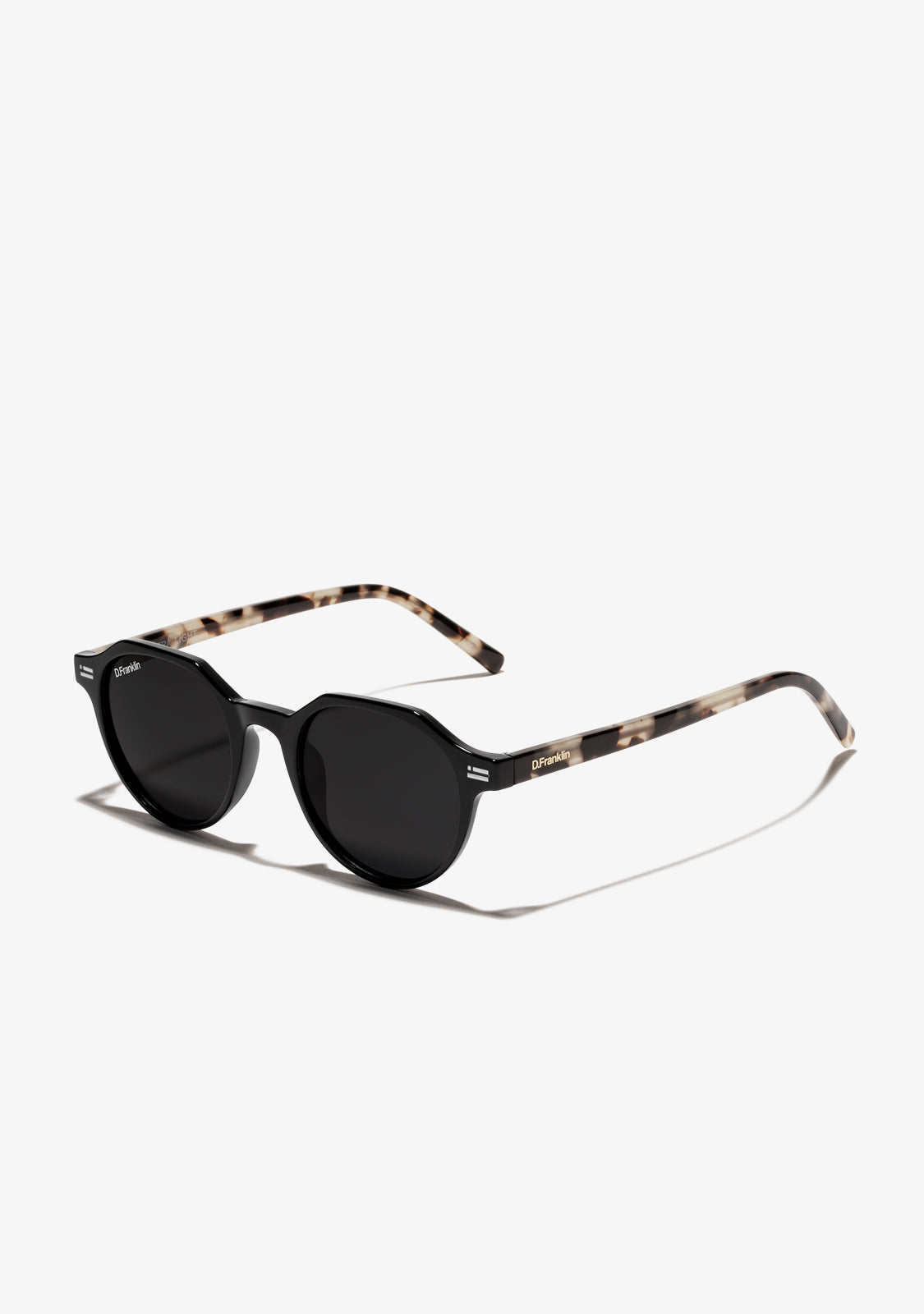

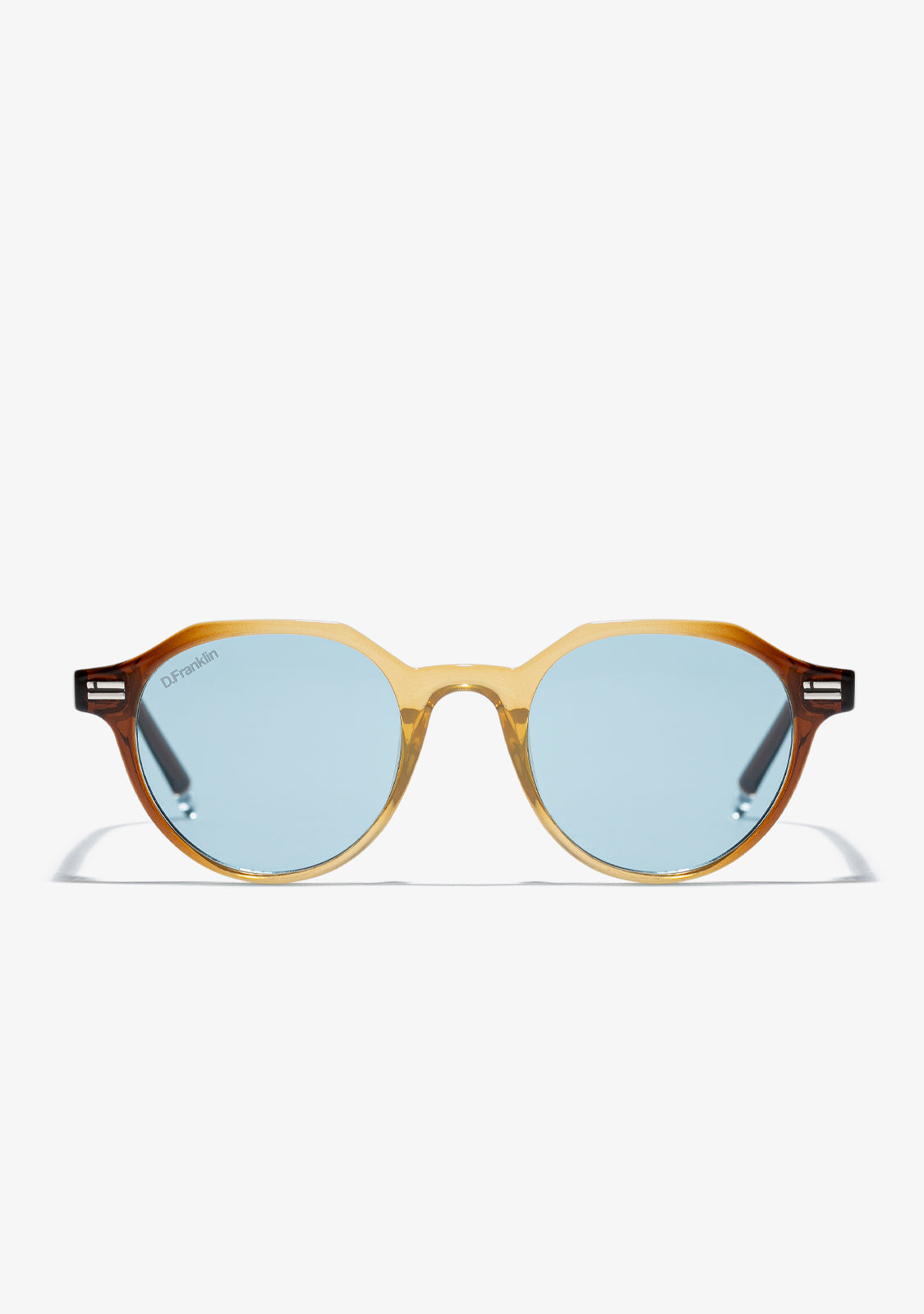
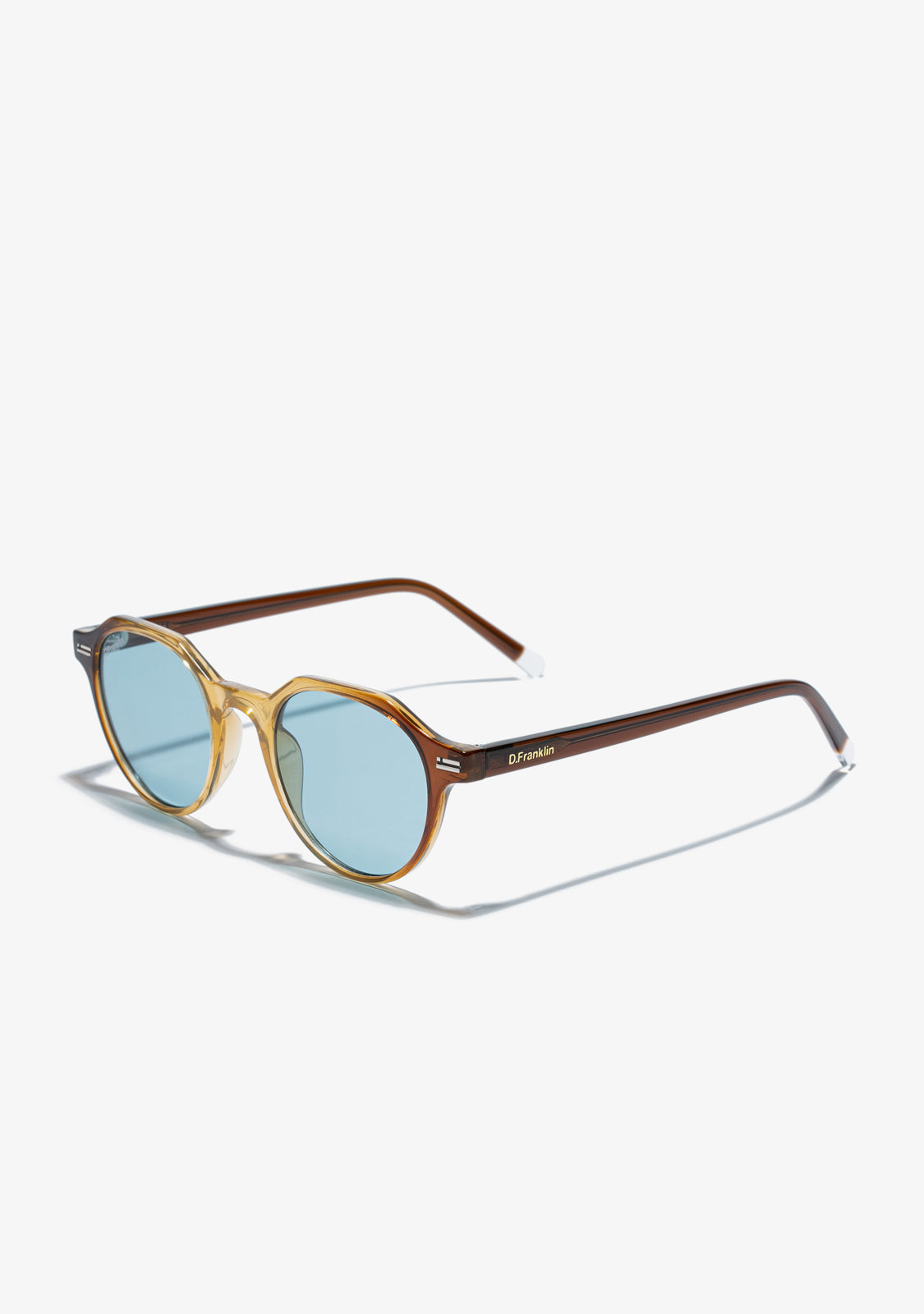

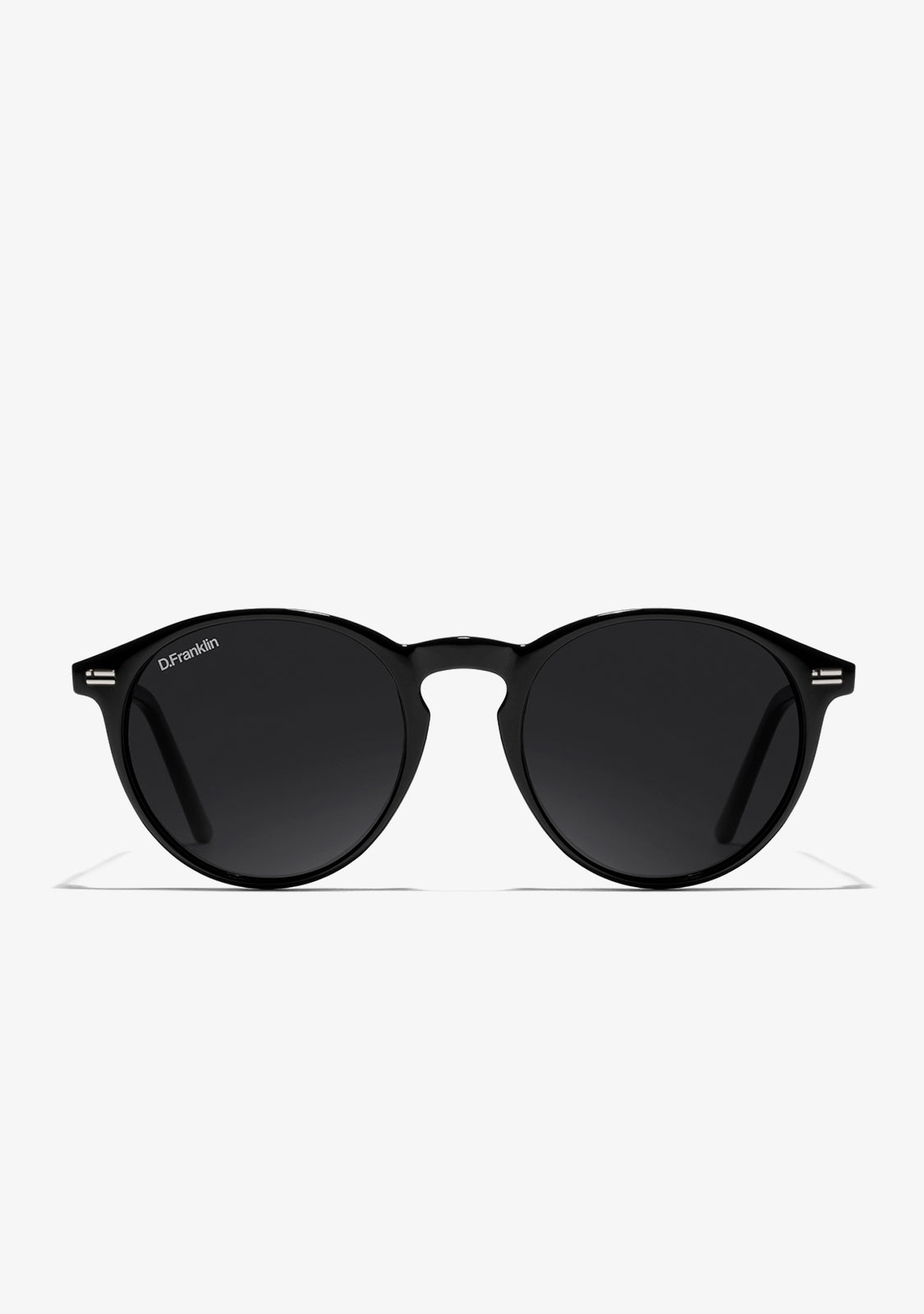
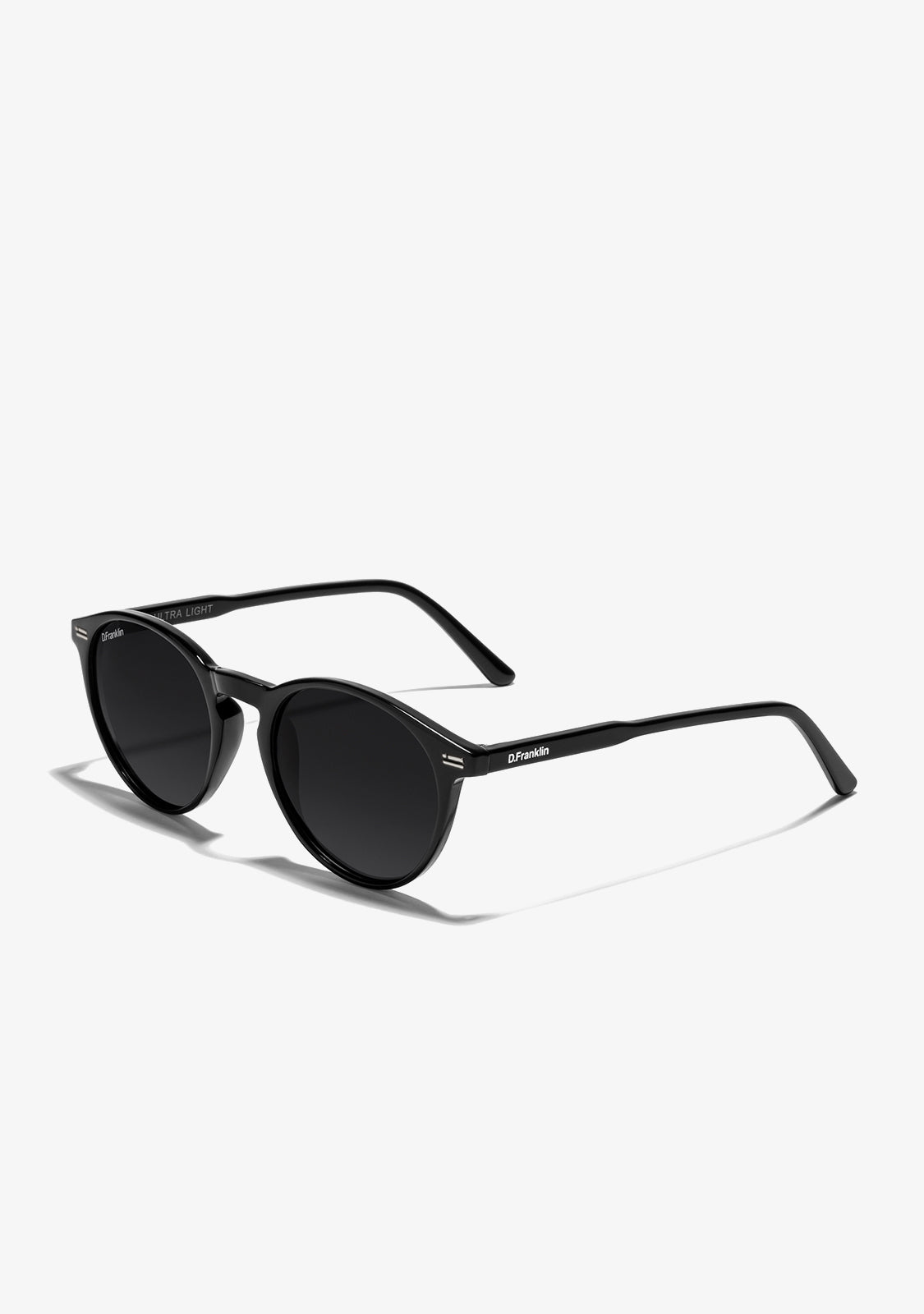

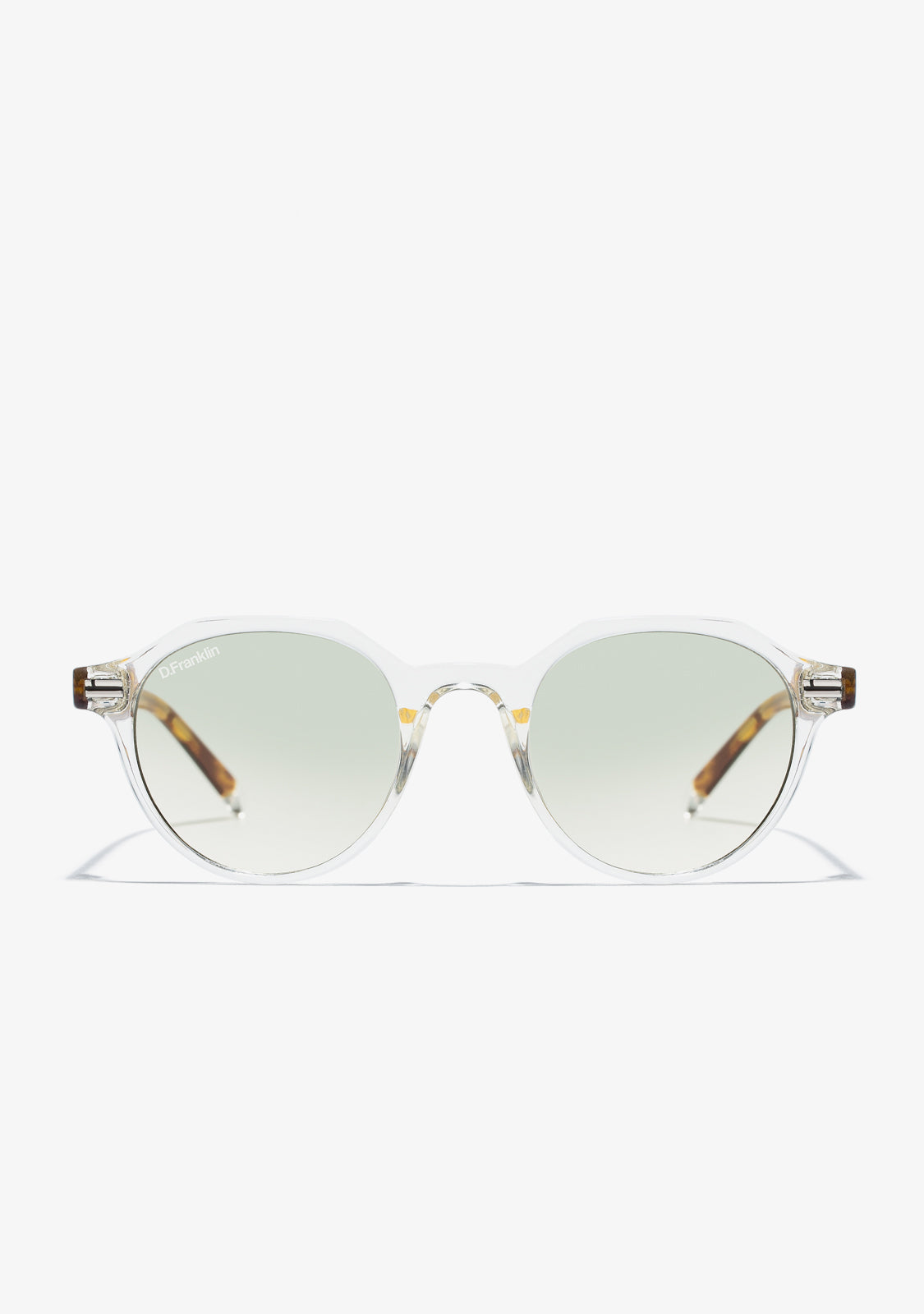
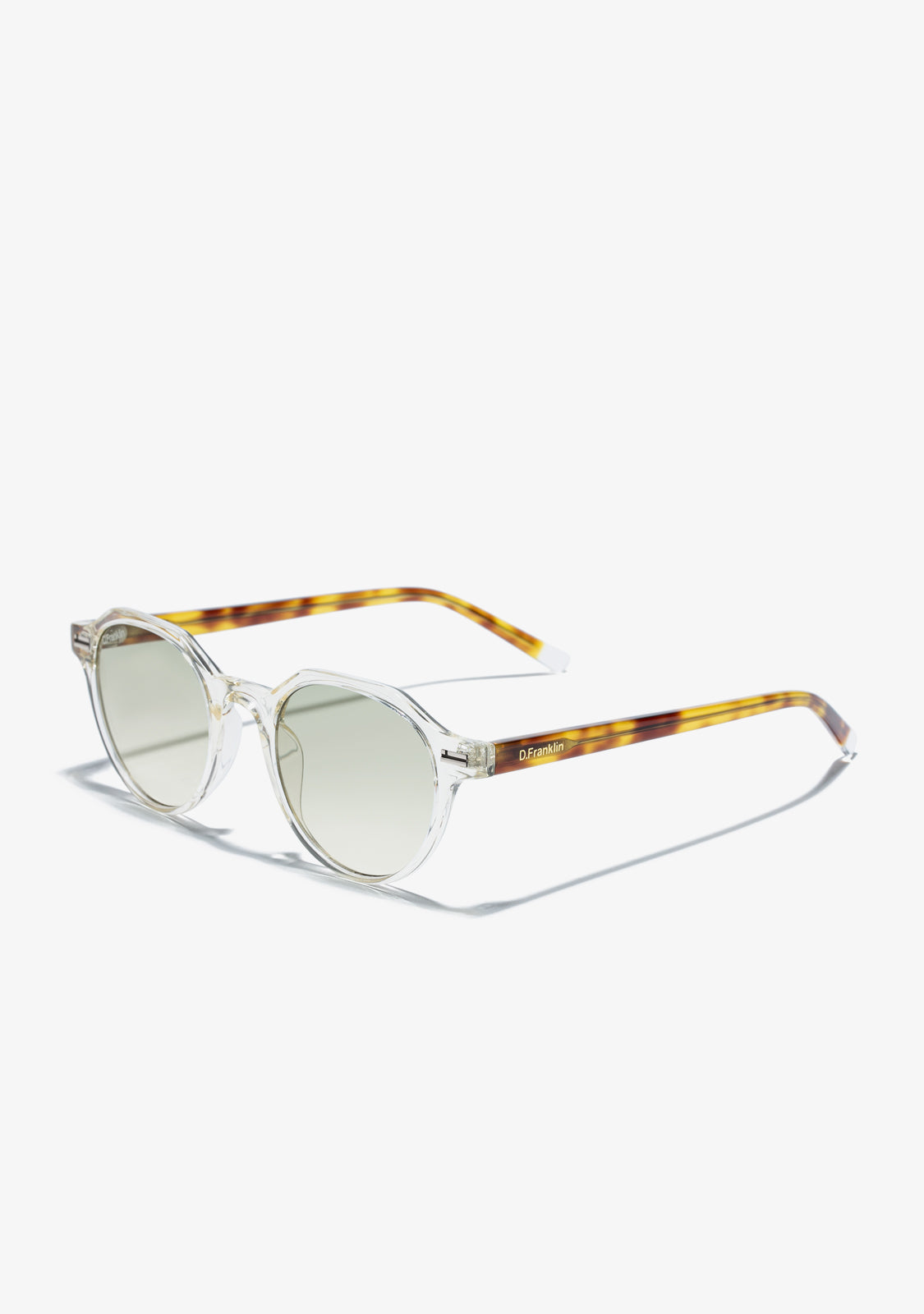

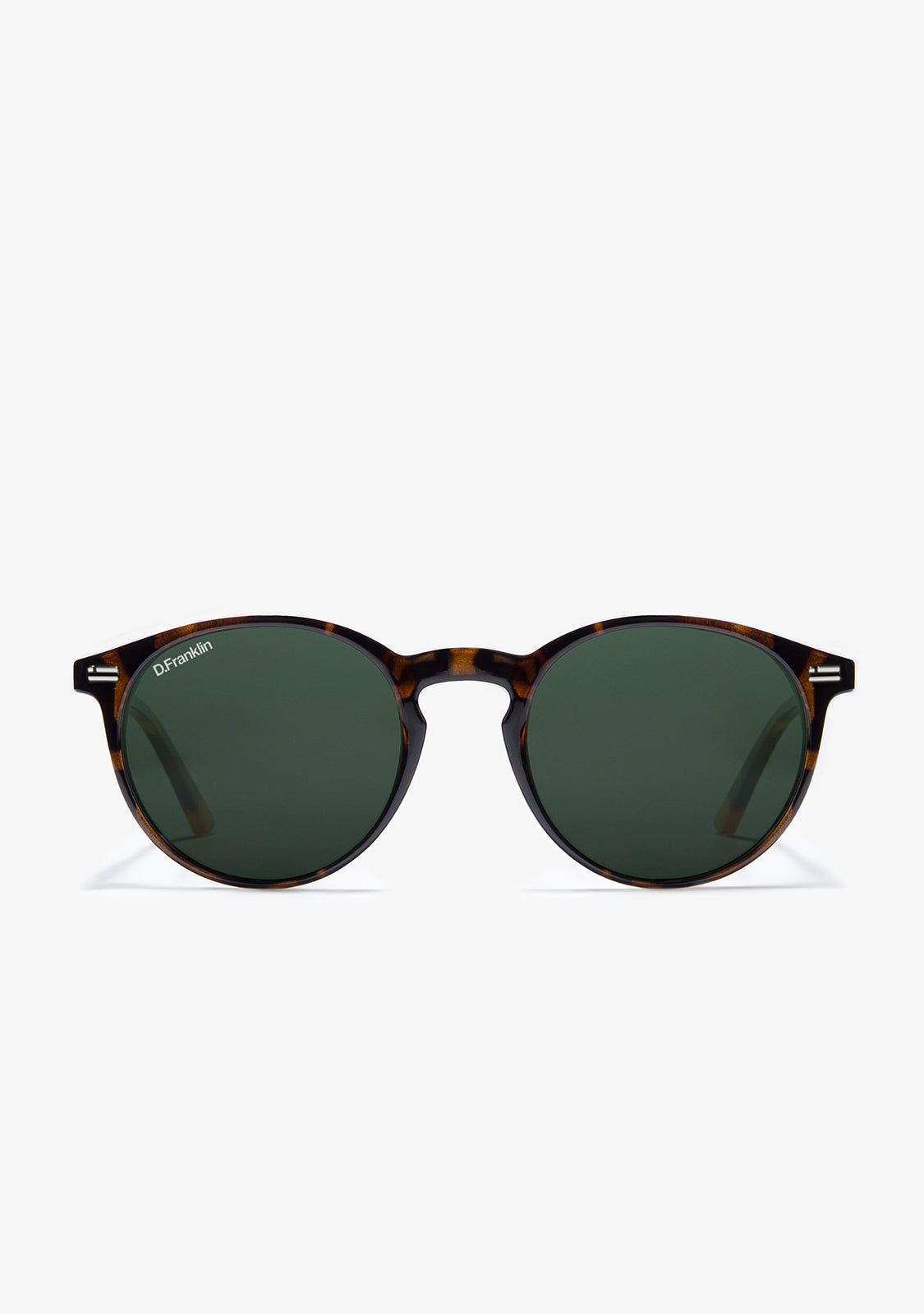
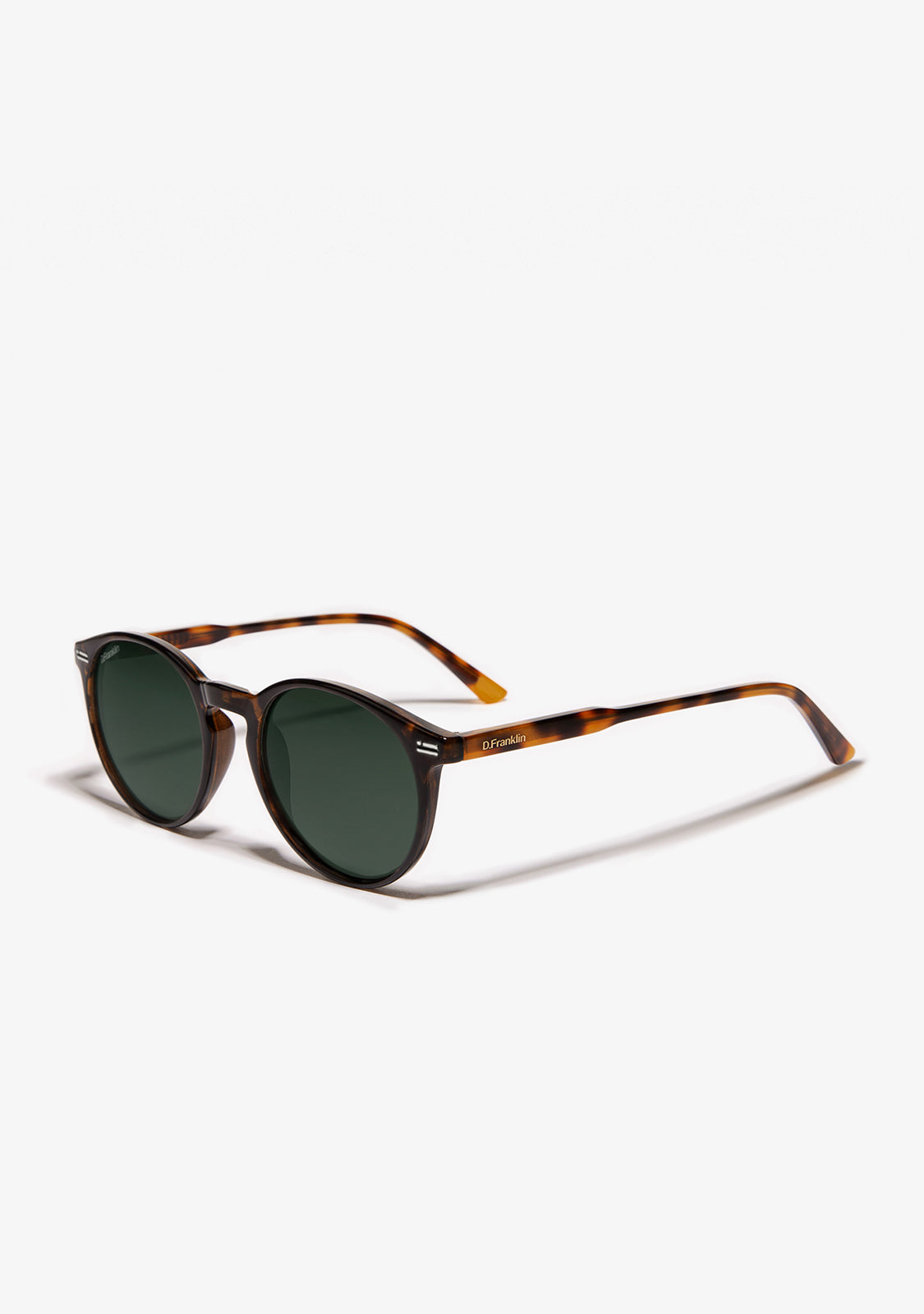

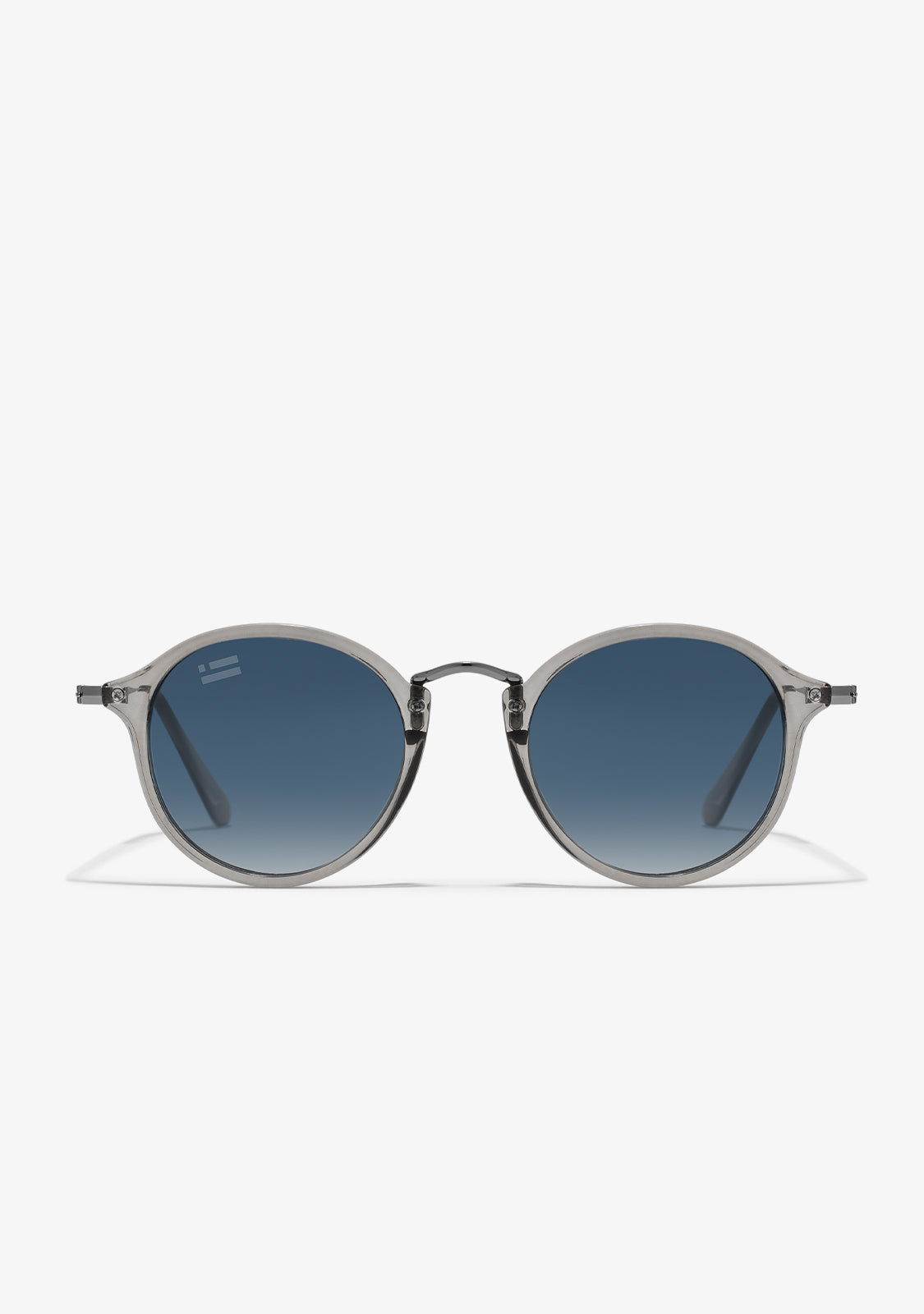
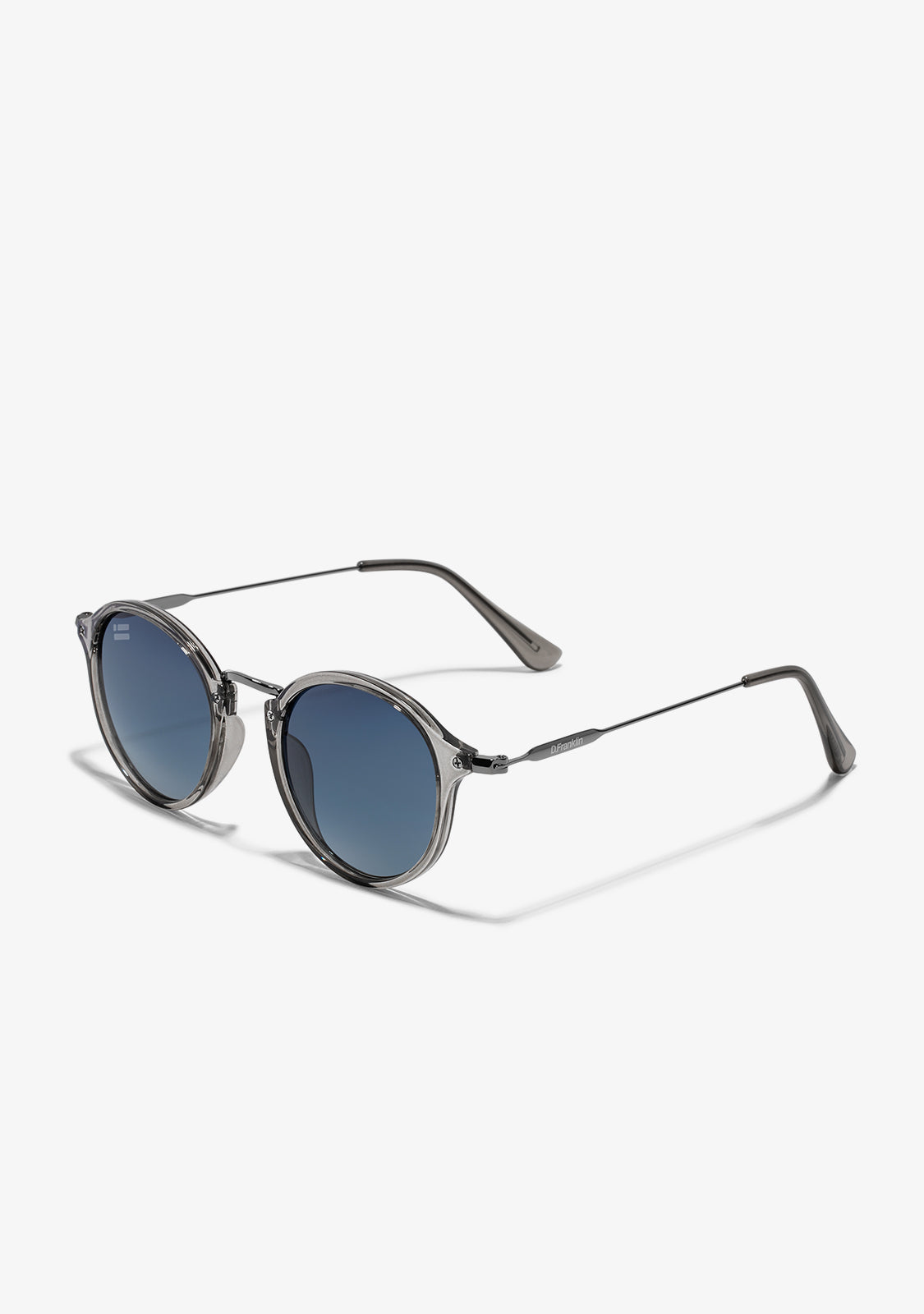

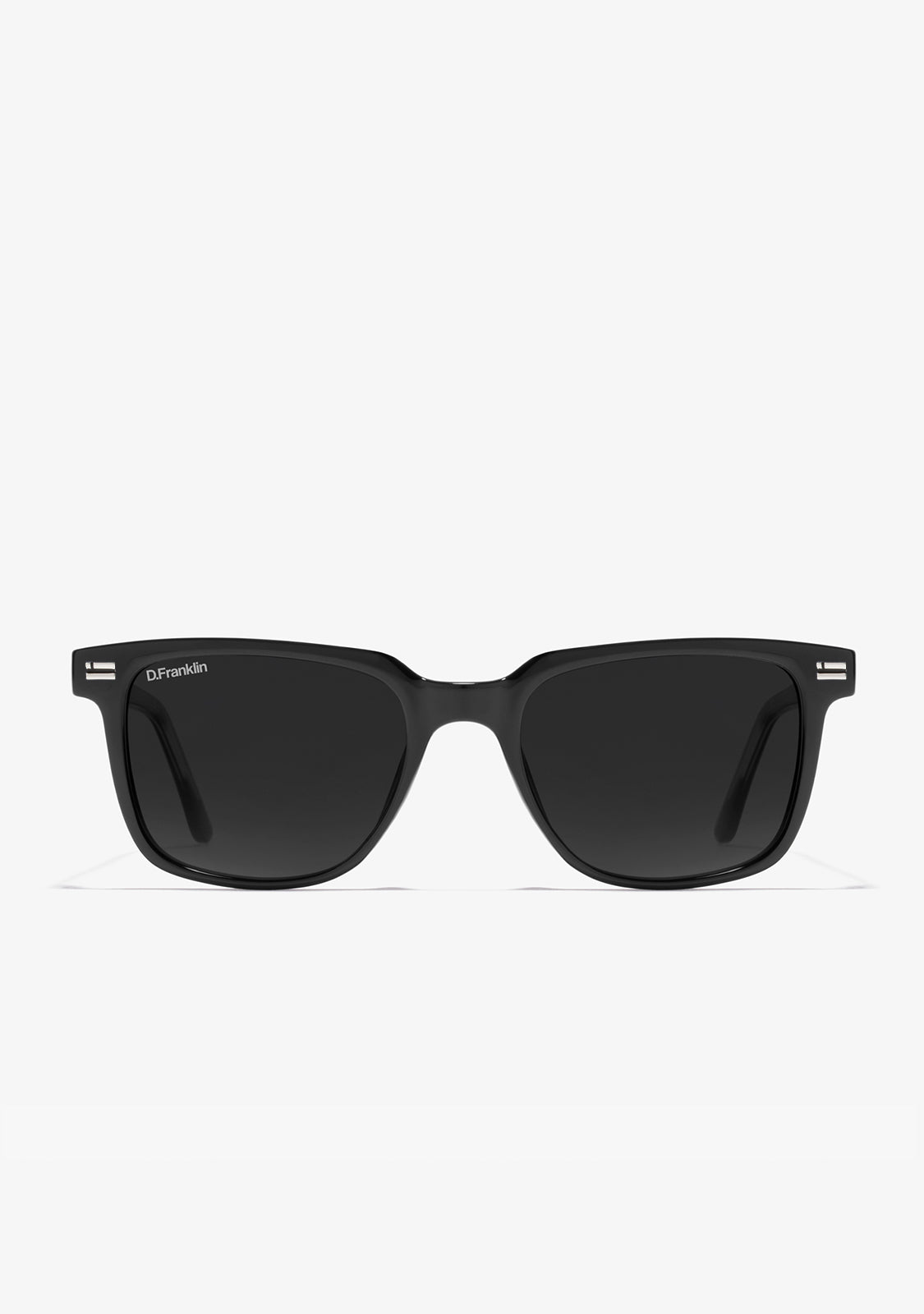
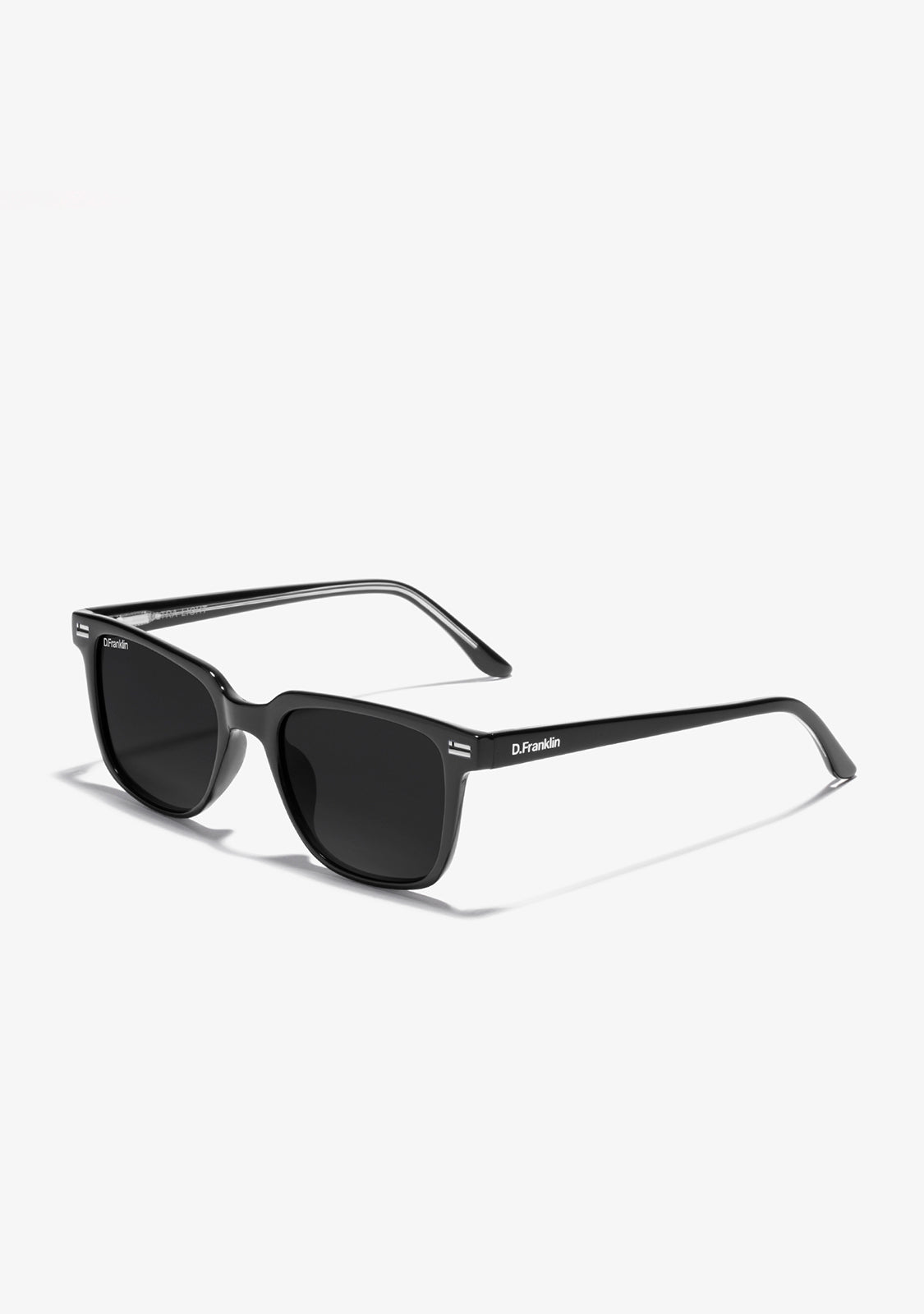

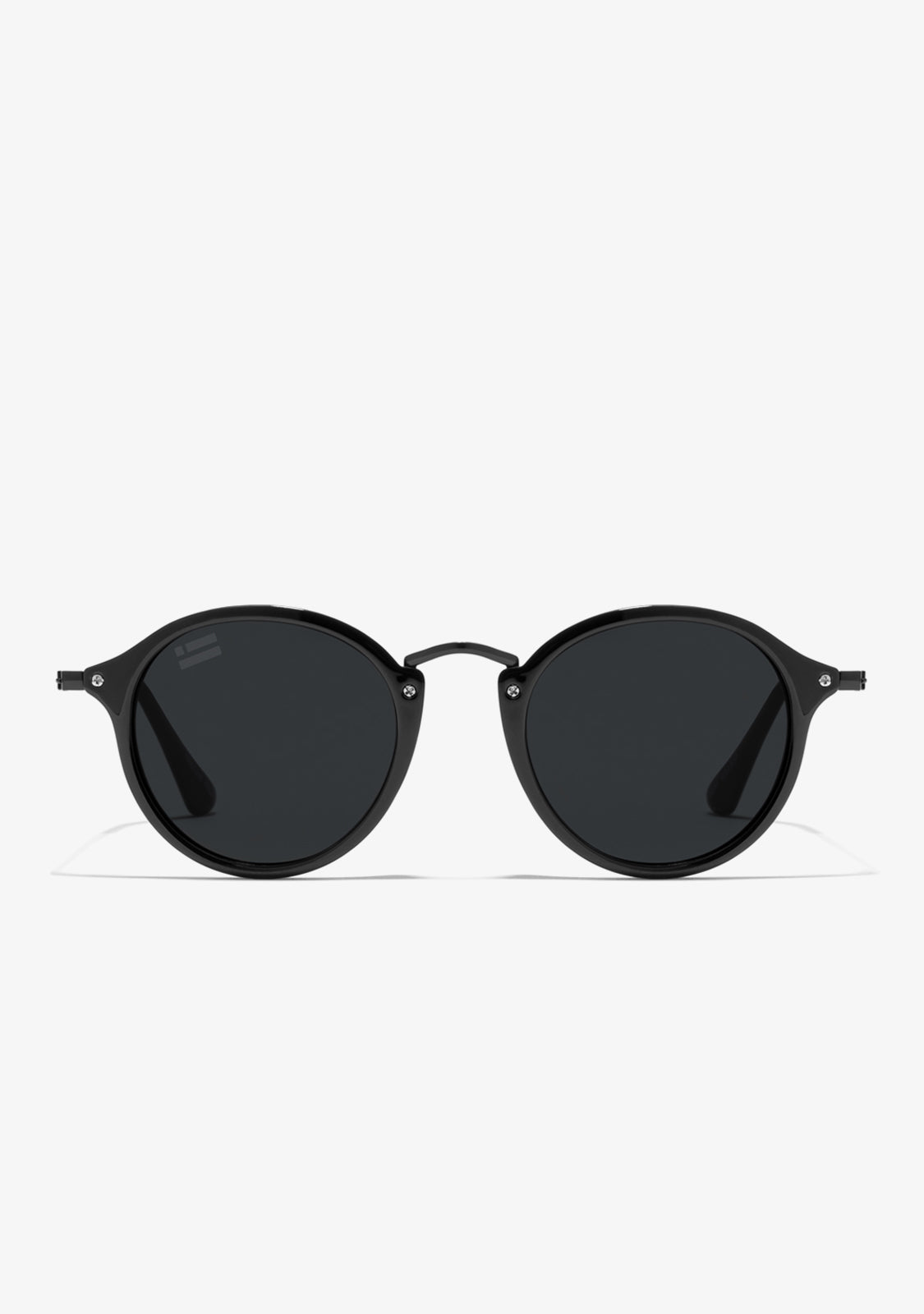
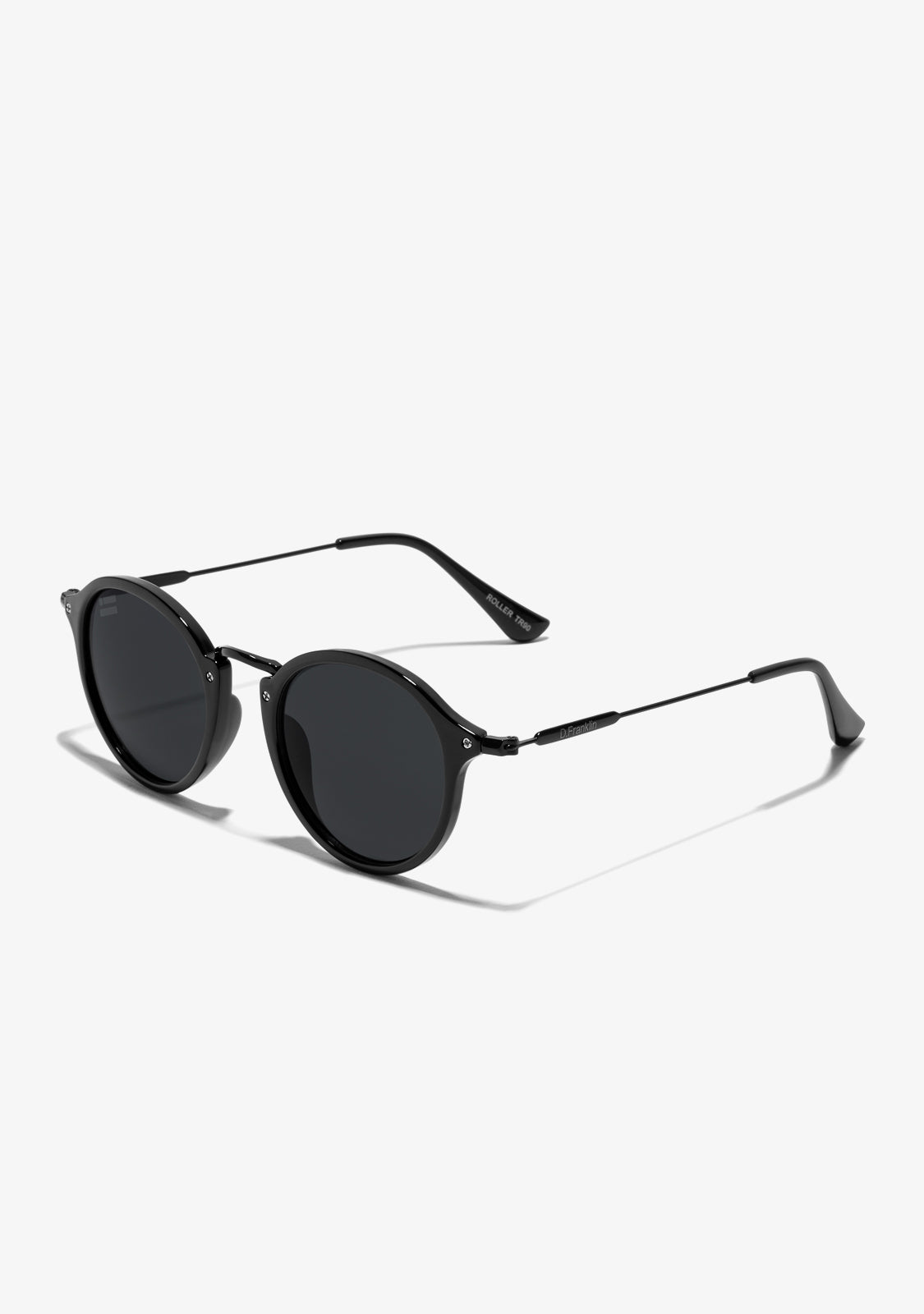

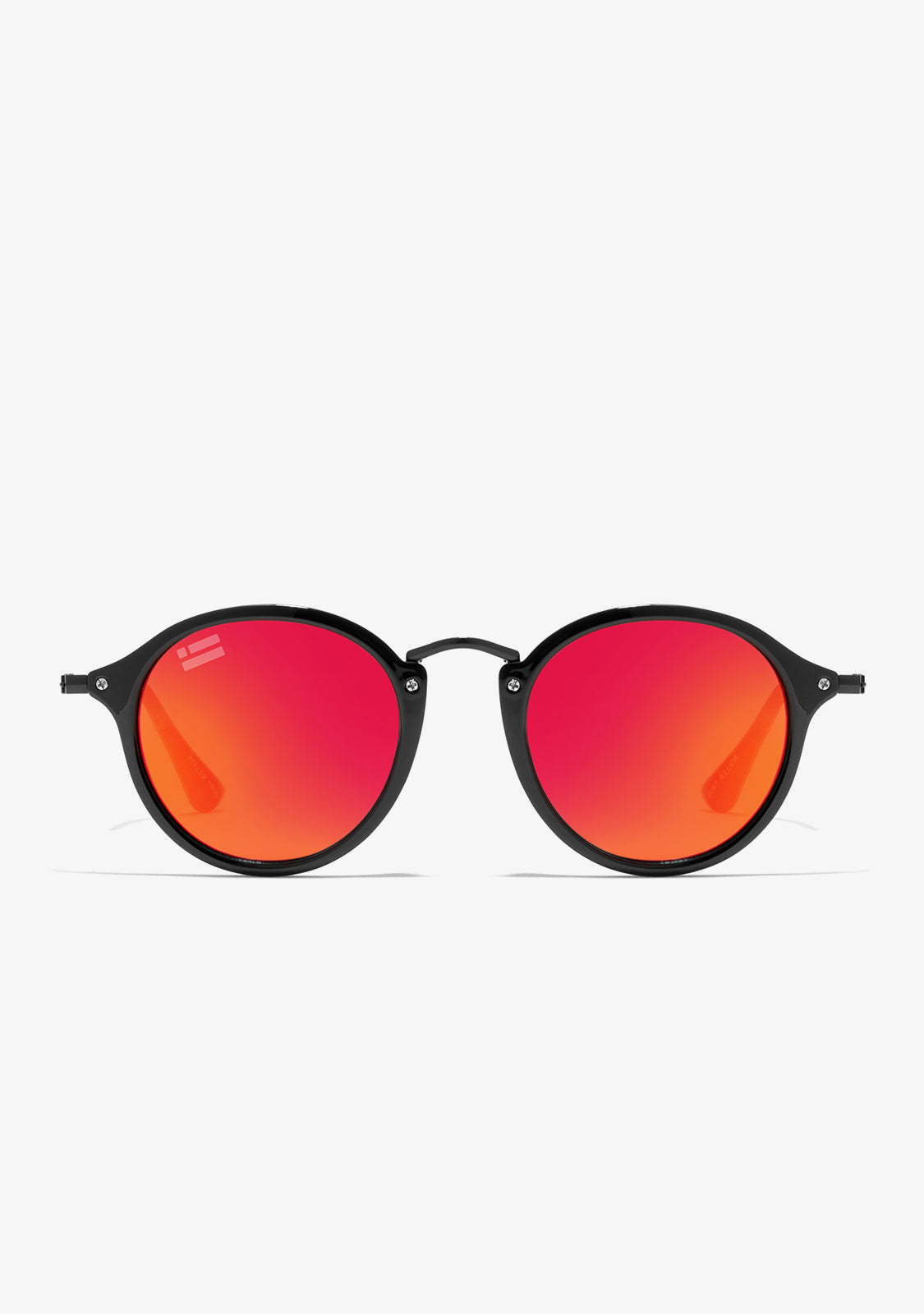
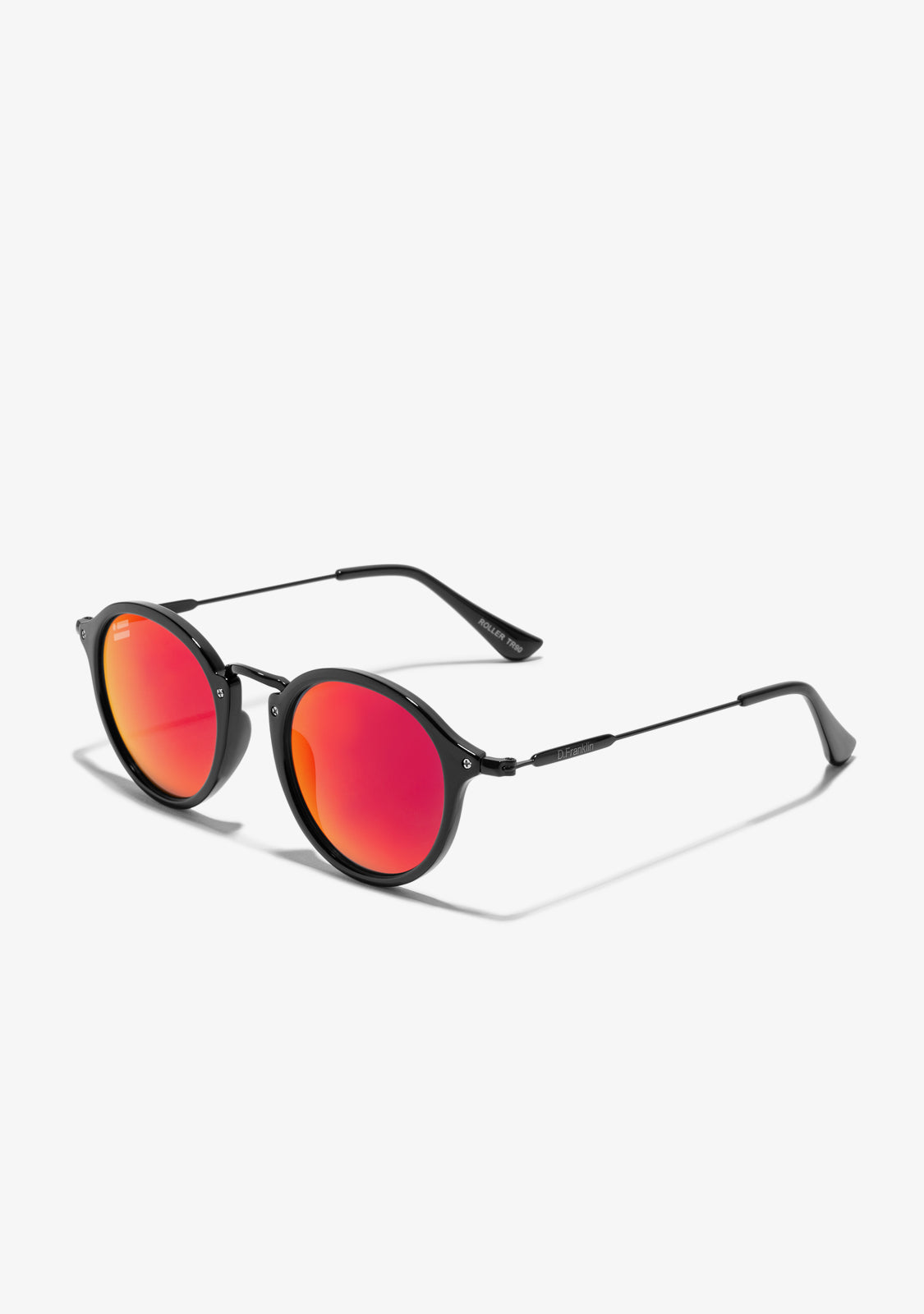

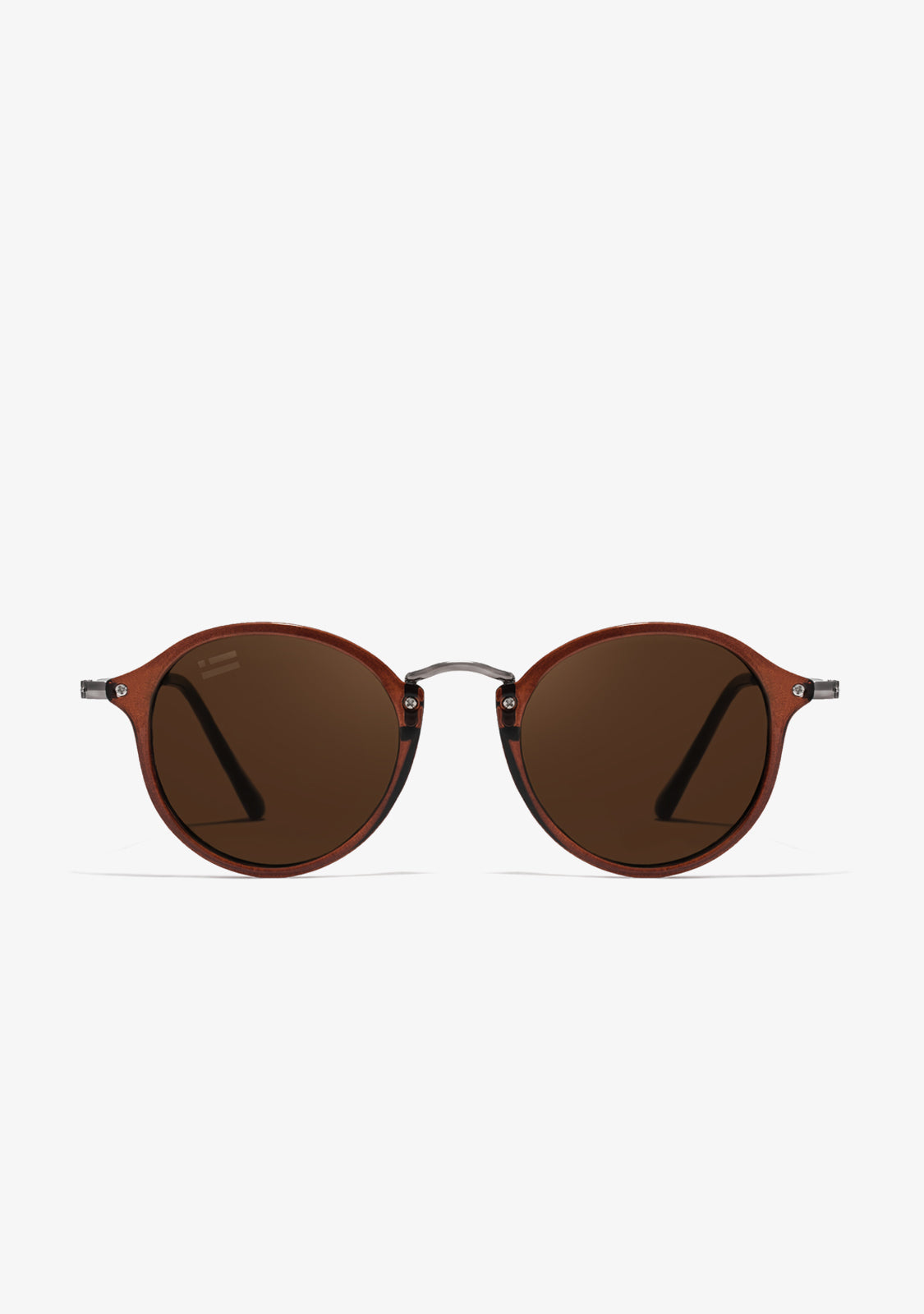
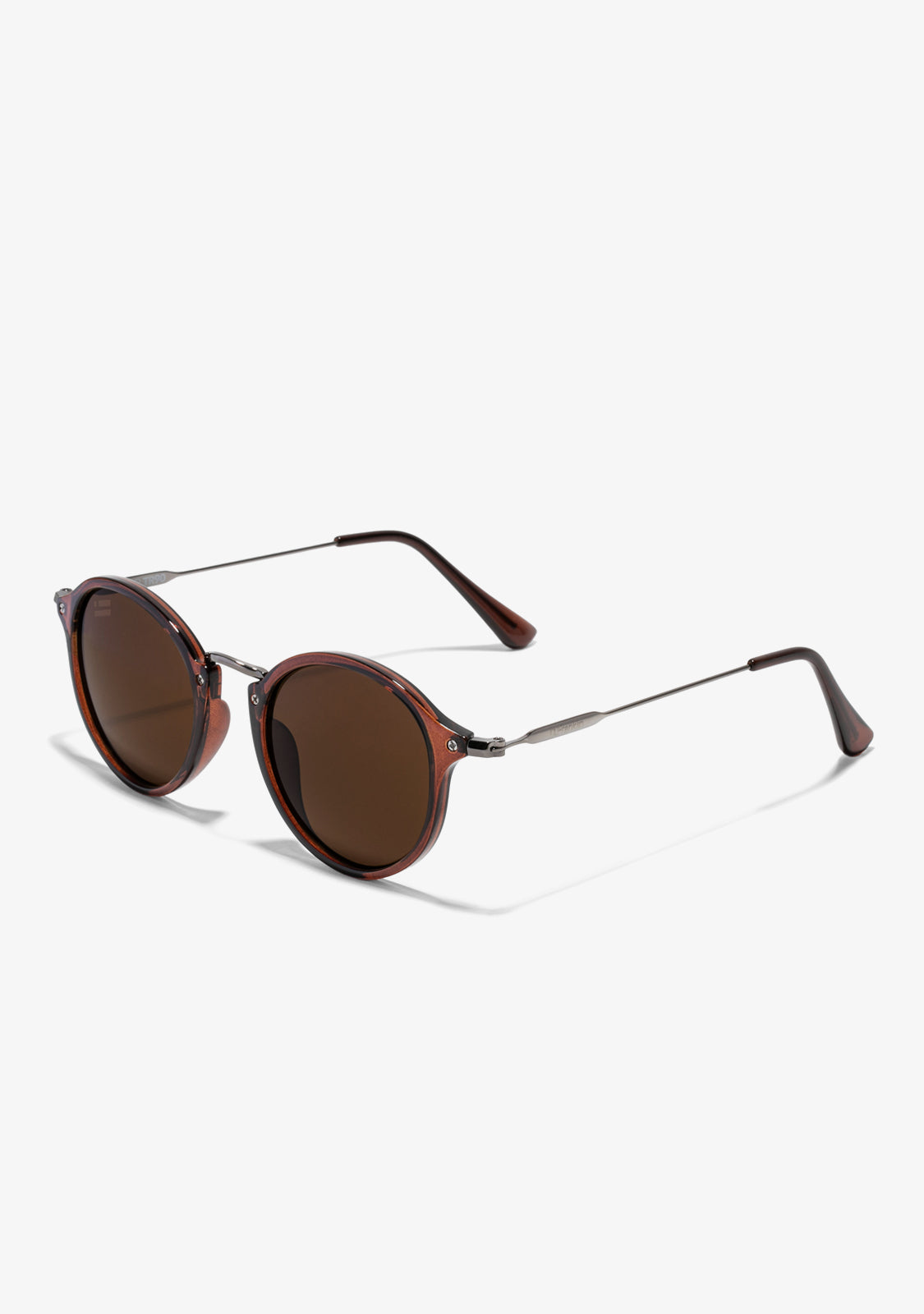



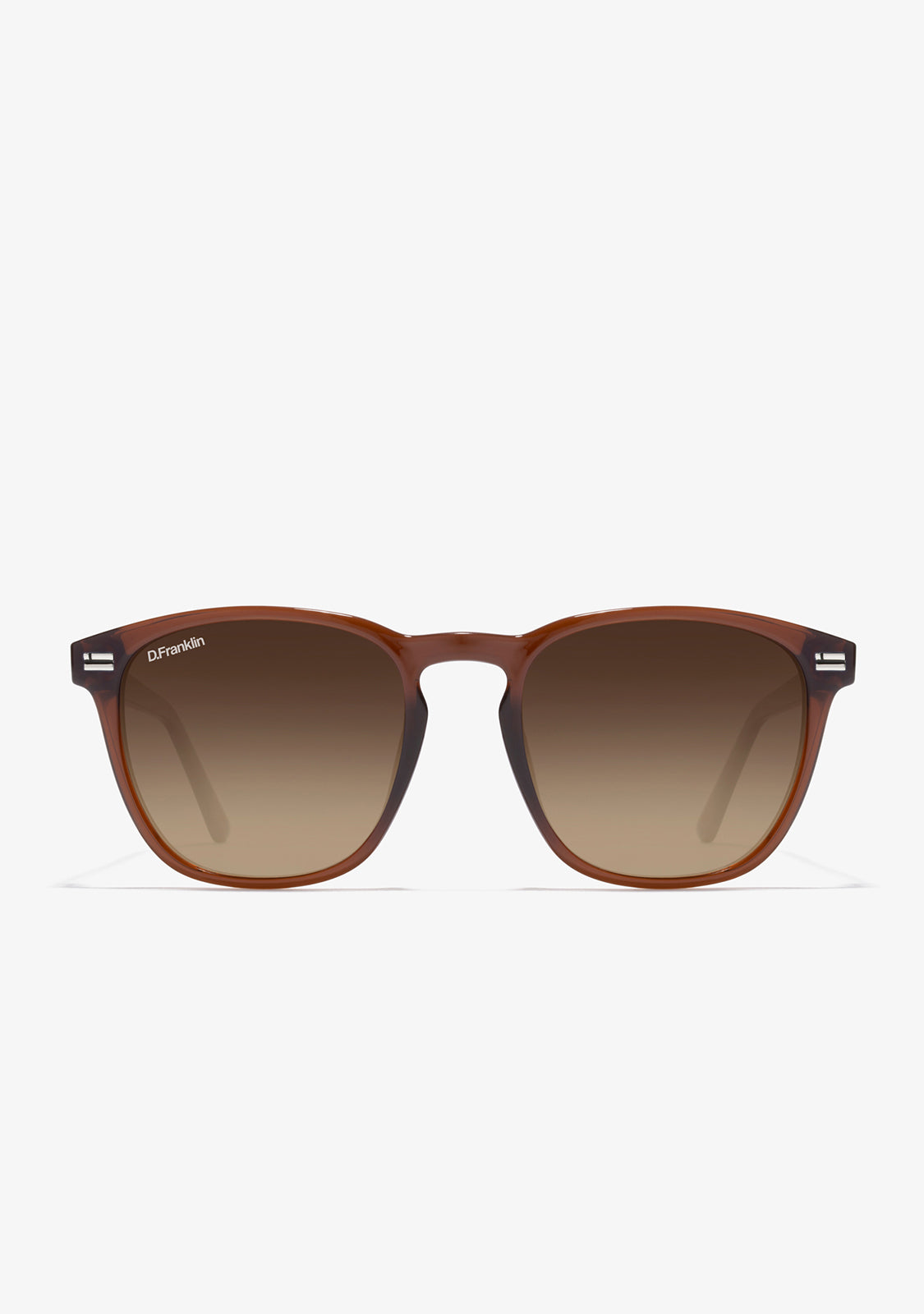
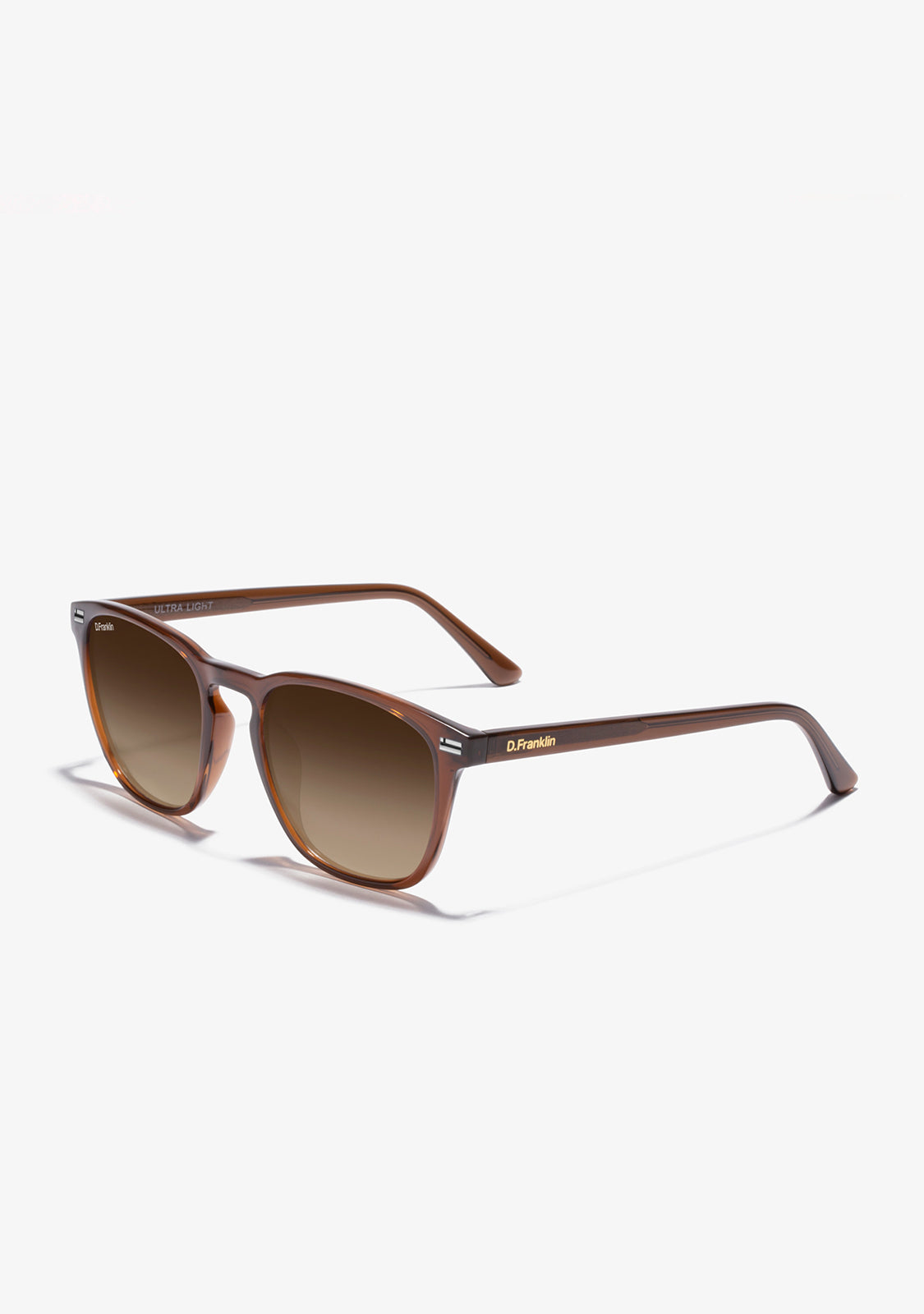

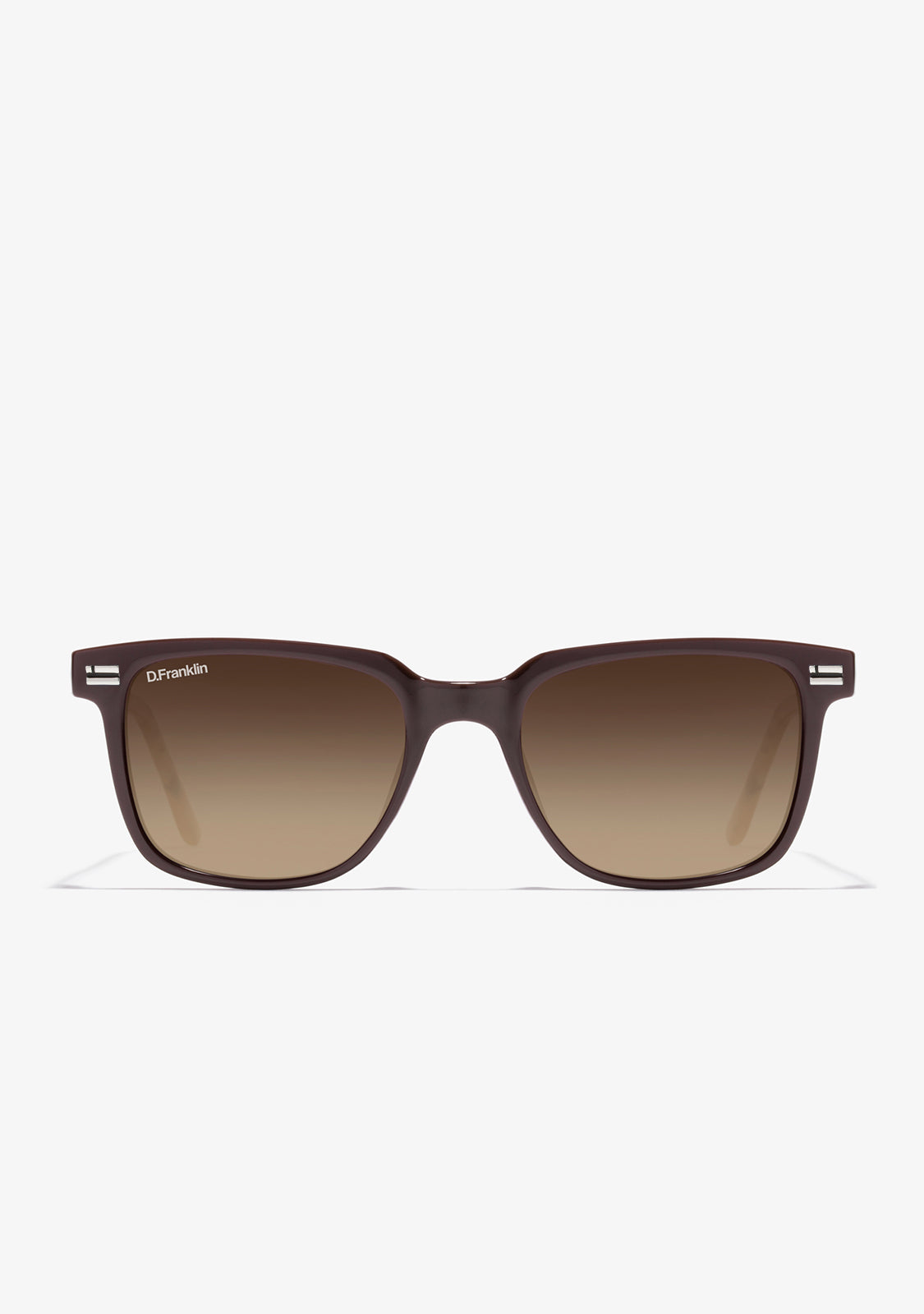
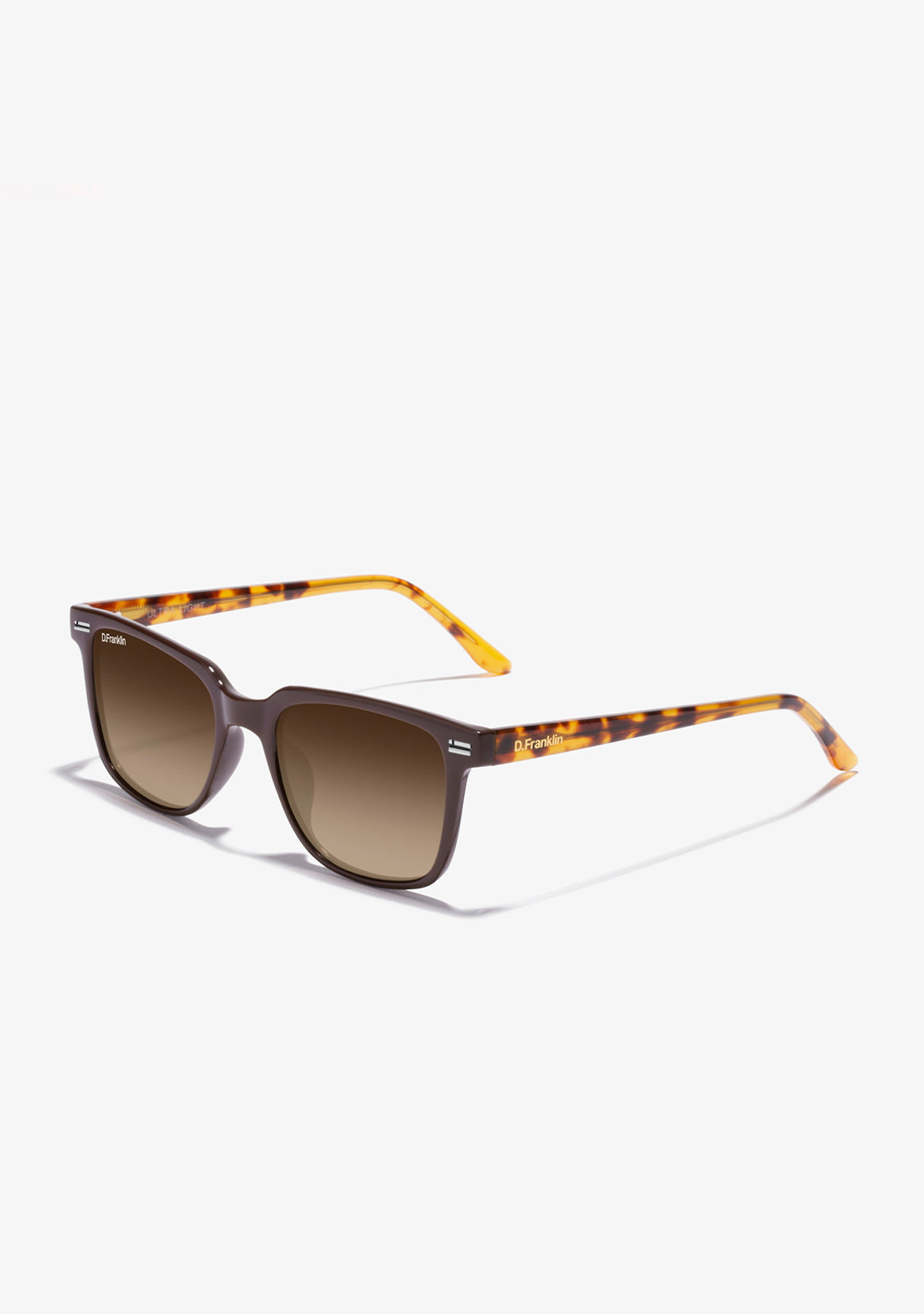

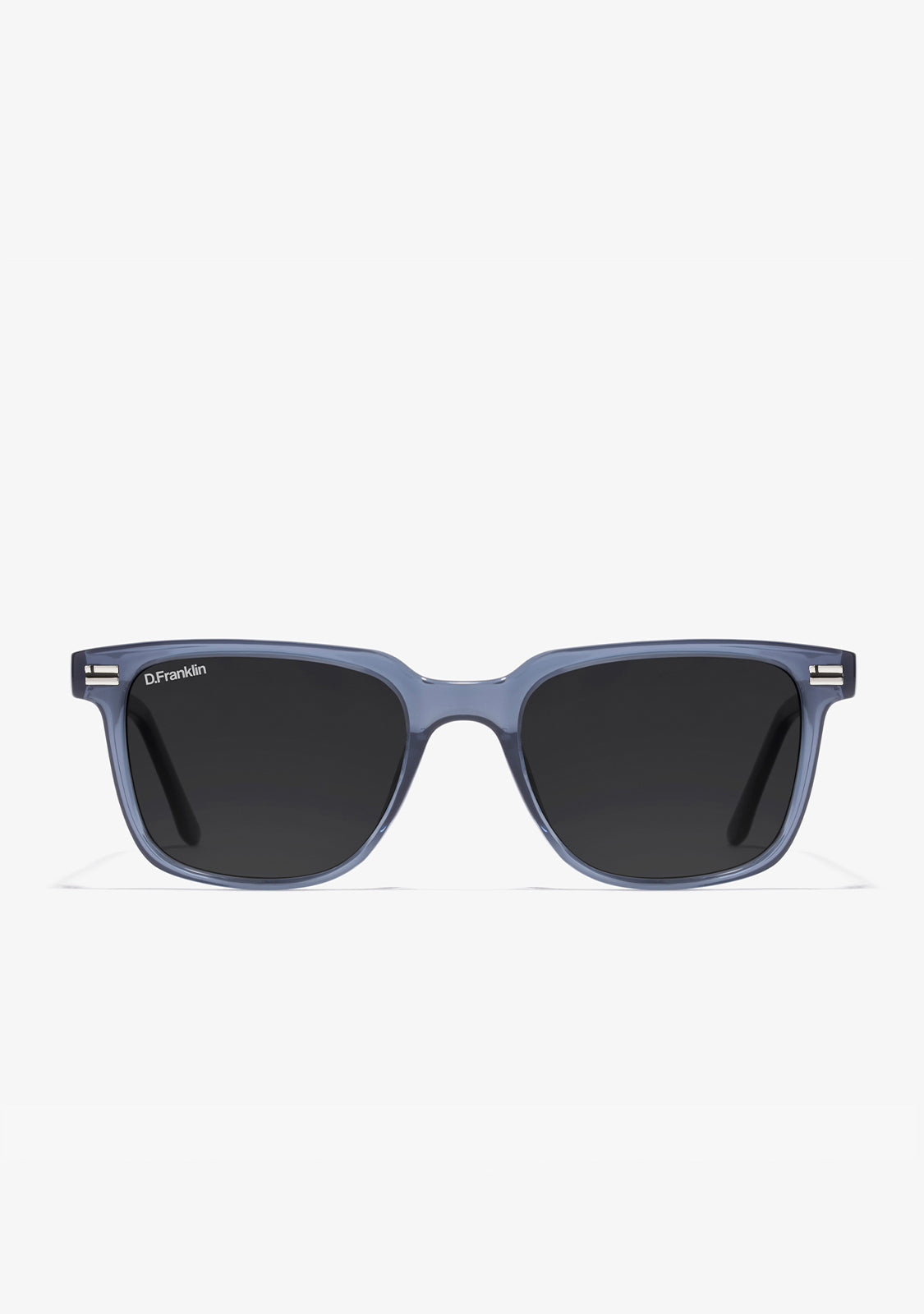


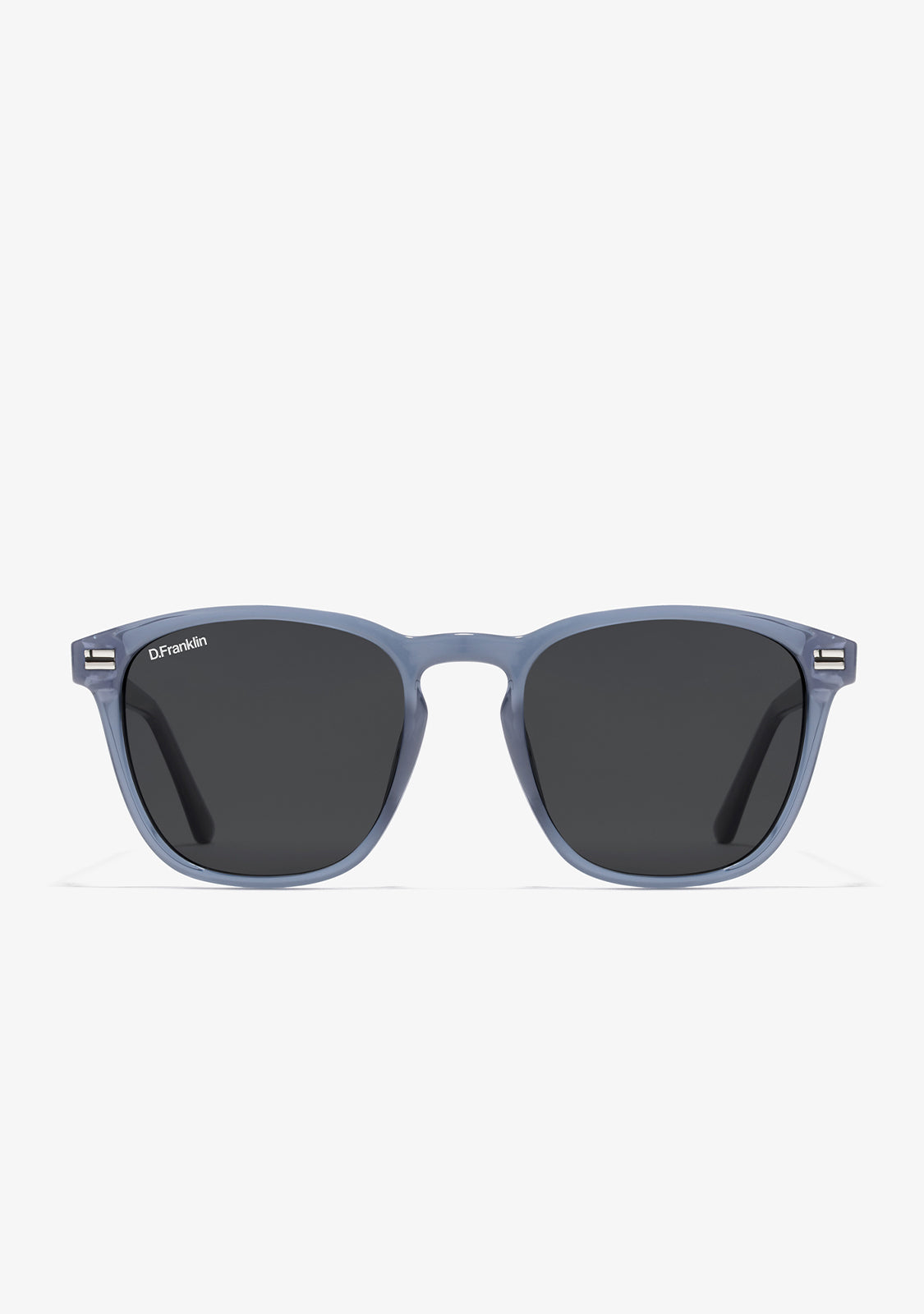
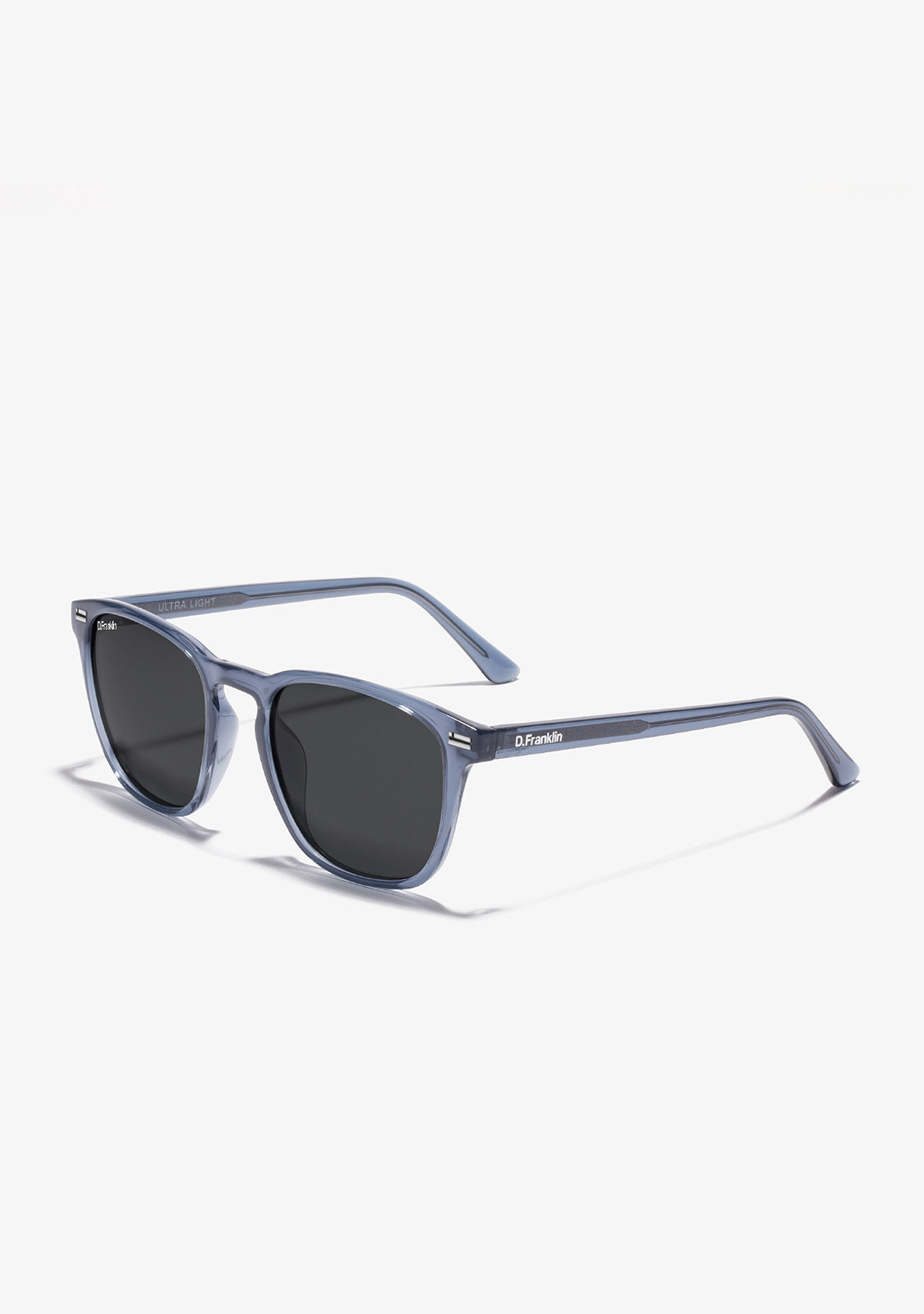

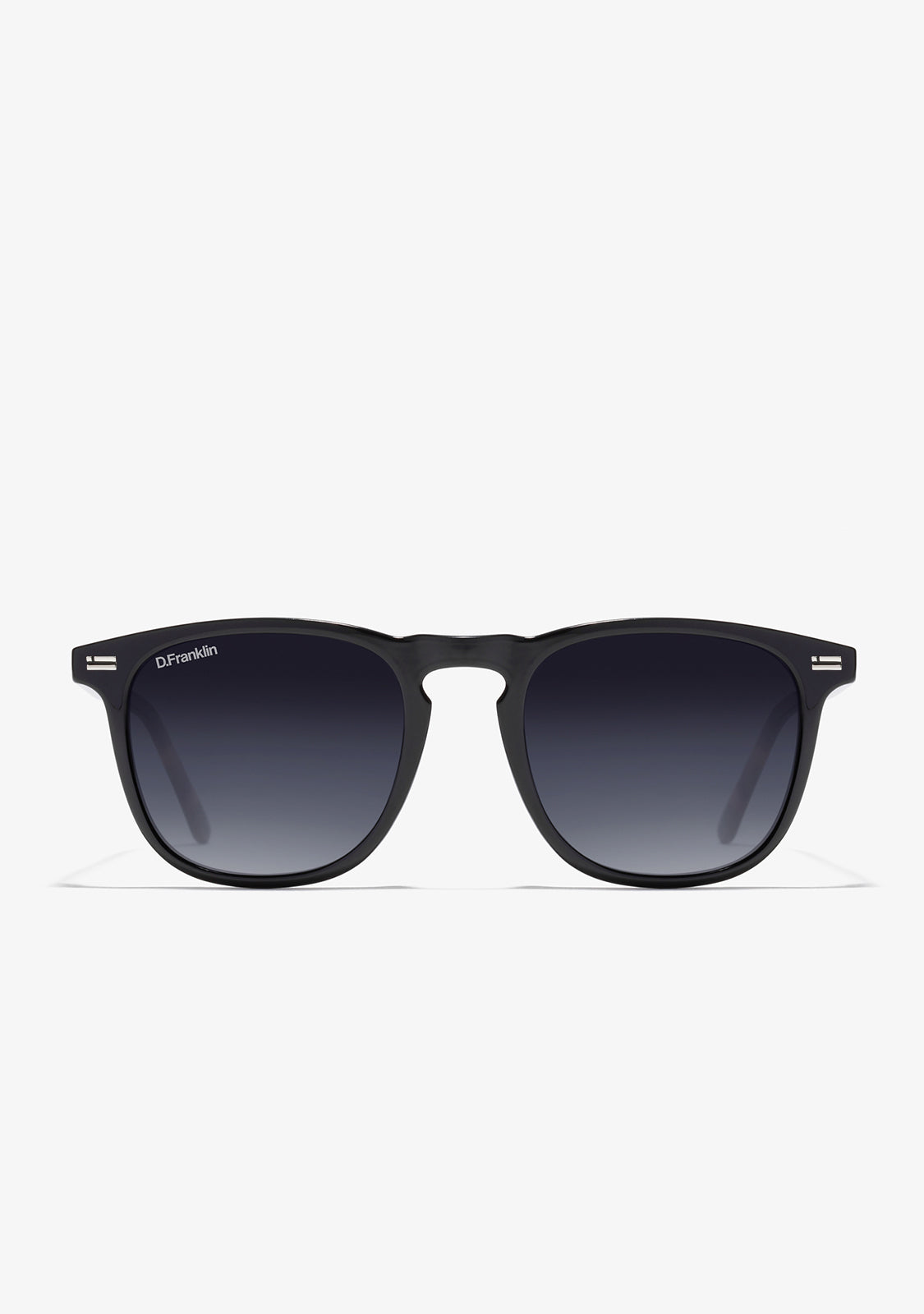
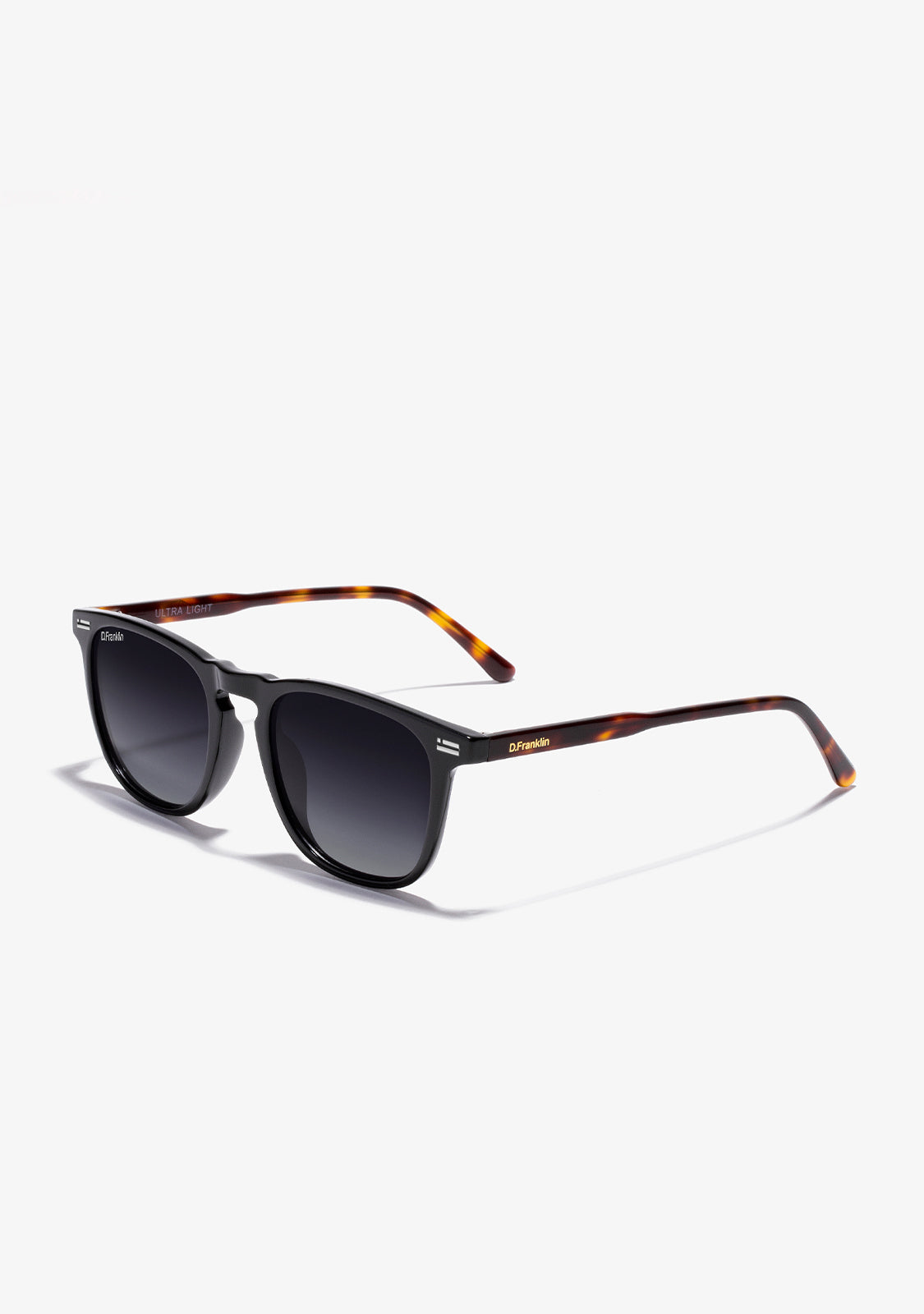

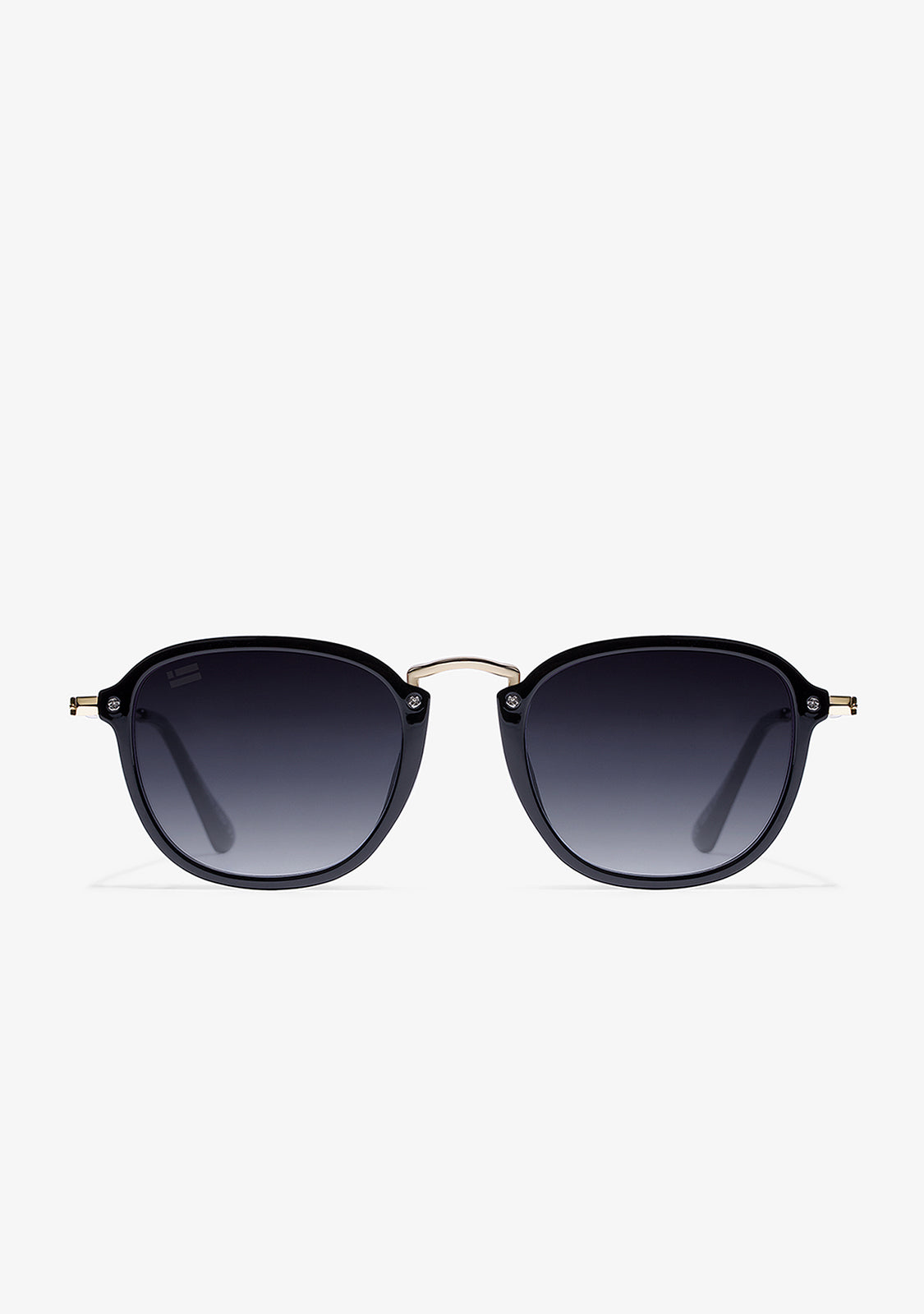
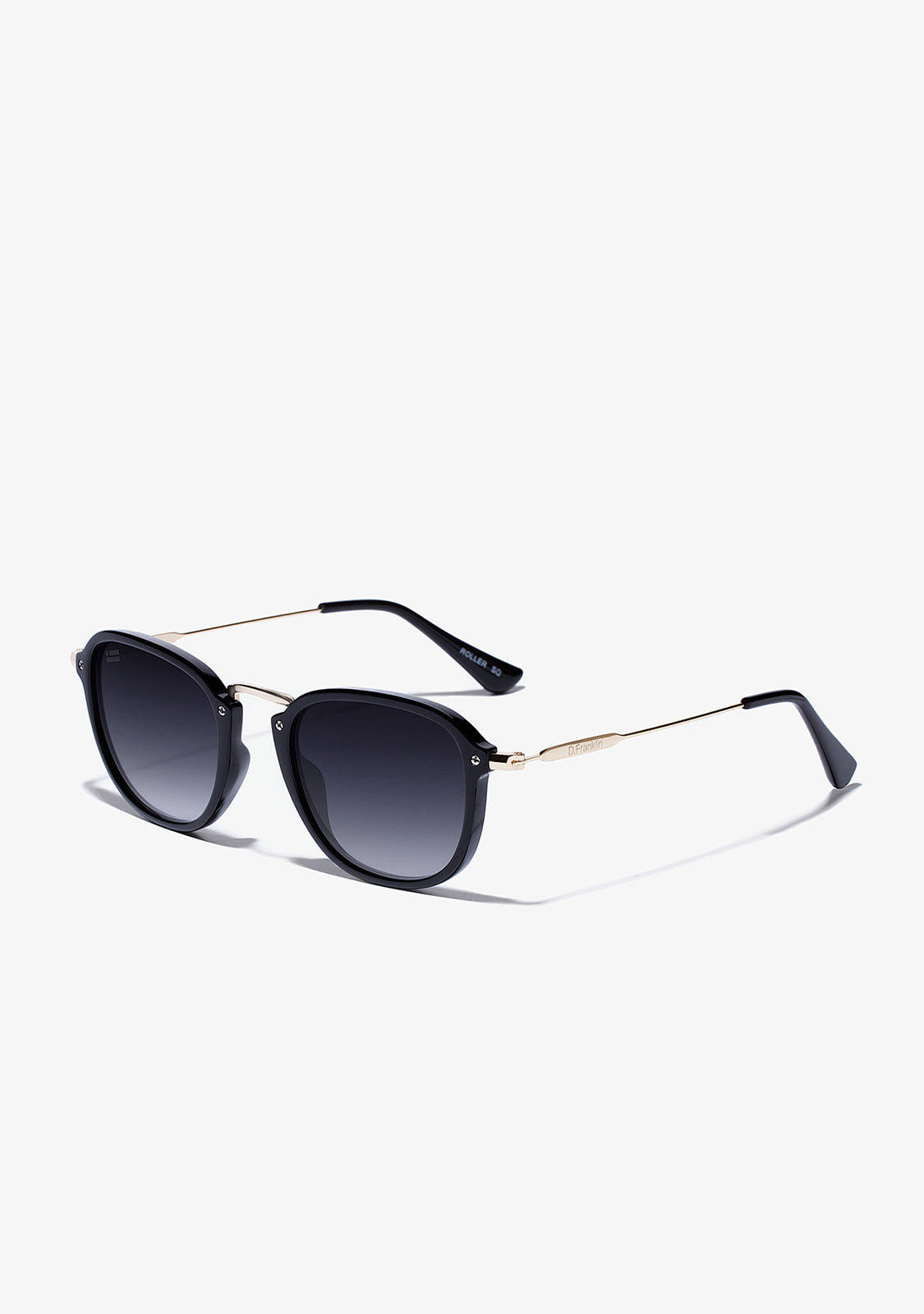

Small Sunglasses
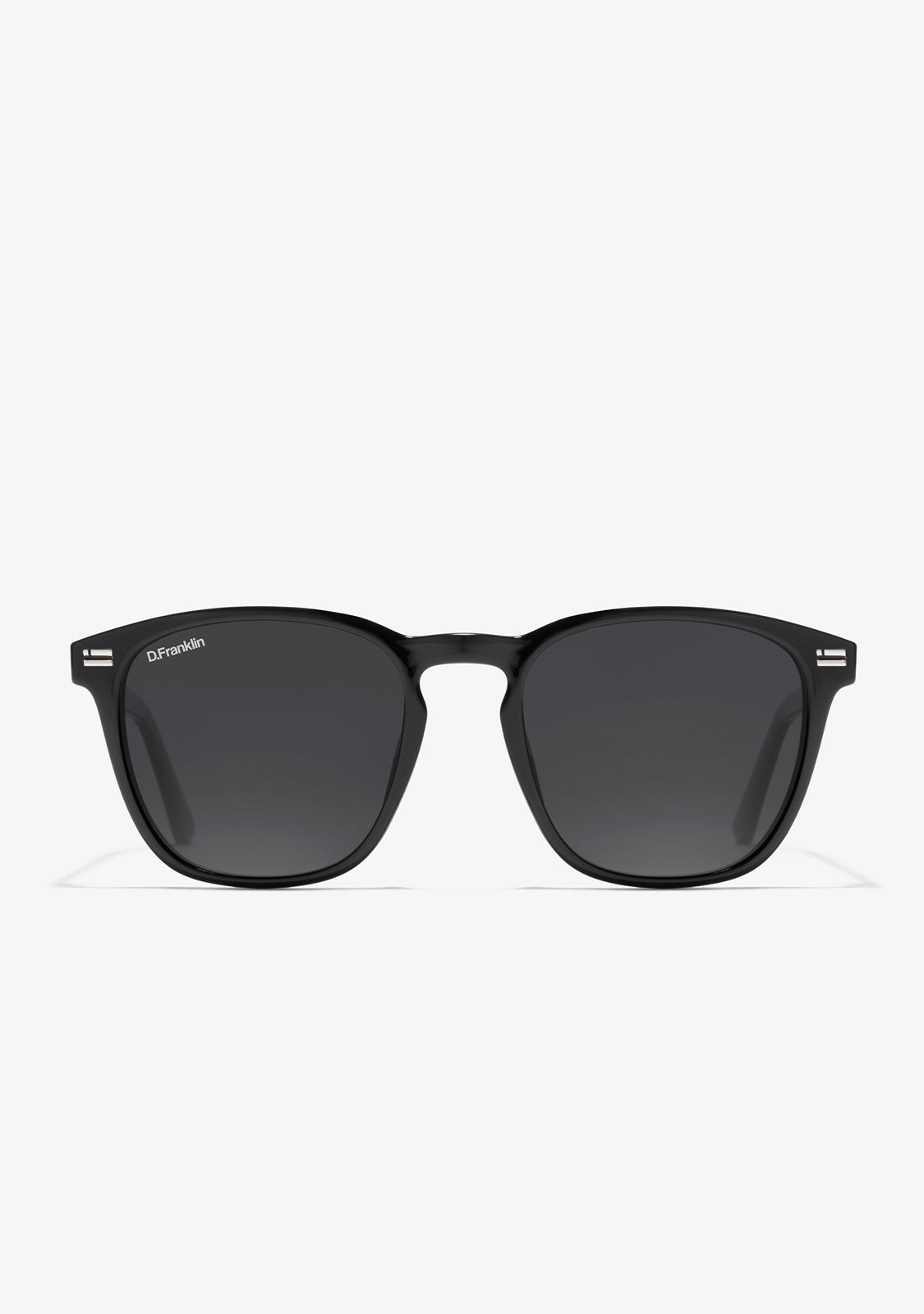
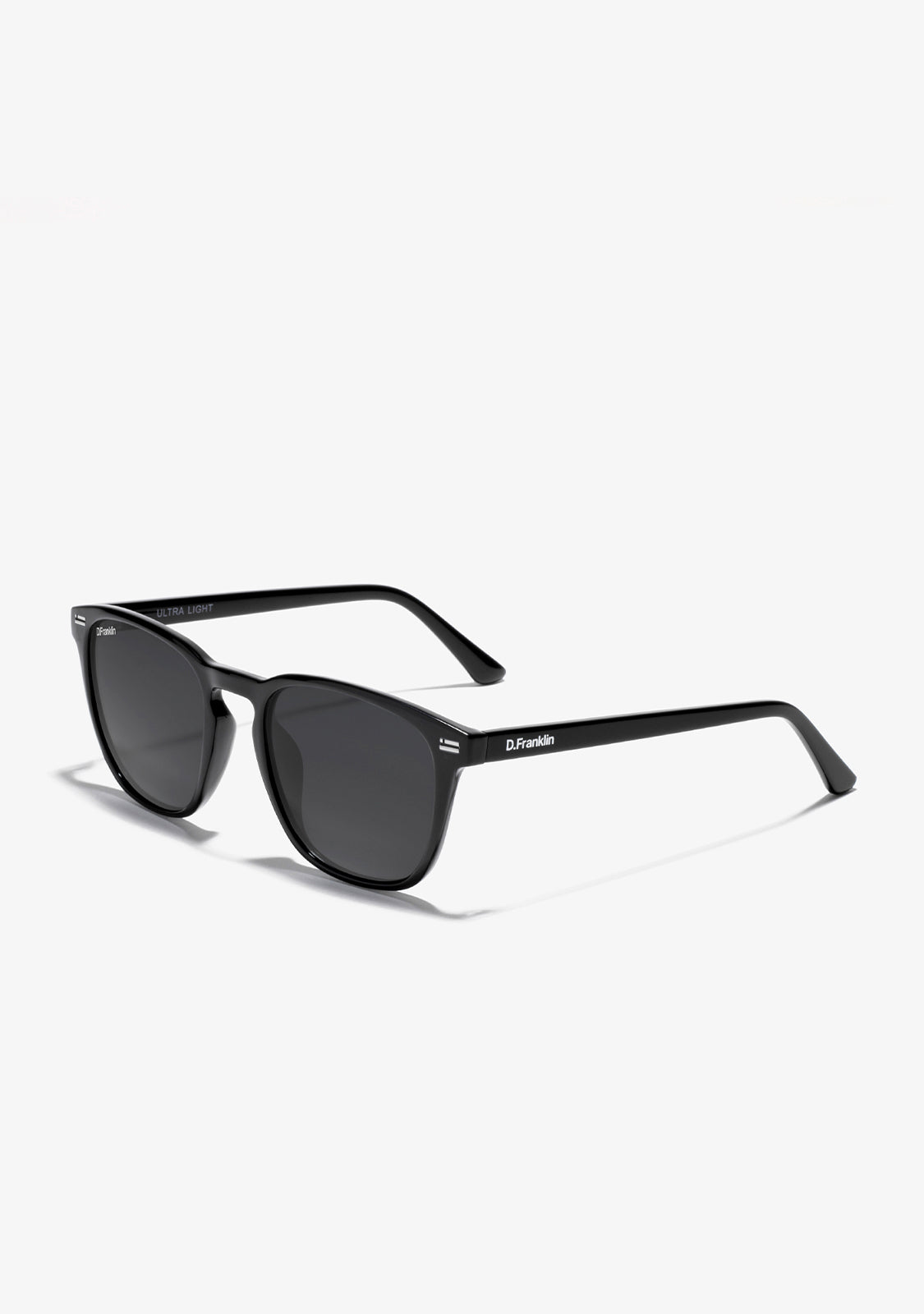
D.Franklin small sunglasses bring together contained silhouettes for men and women. Compare lens size, overall width and bridge: small does not describe one single measurement.
Compact lenses can sit within a relatively wide front. Use the design's dimensions to assess fit instead of choosing solely by the collection name.
Compact proportions versus oversized frames
Oversized sunglasses offer a different visual volume for comparison. The decision is about more than face coverage: temples and bridge should hold the frame without pressure.
Curves, angles and rim thickness
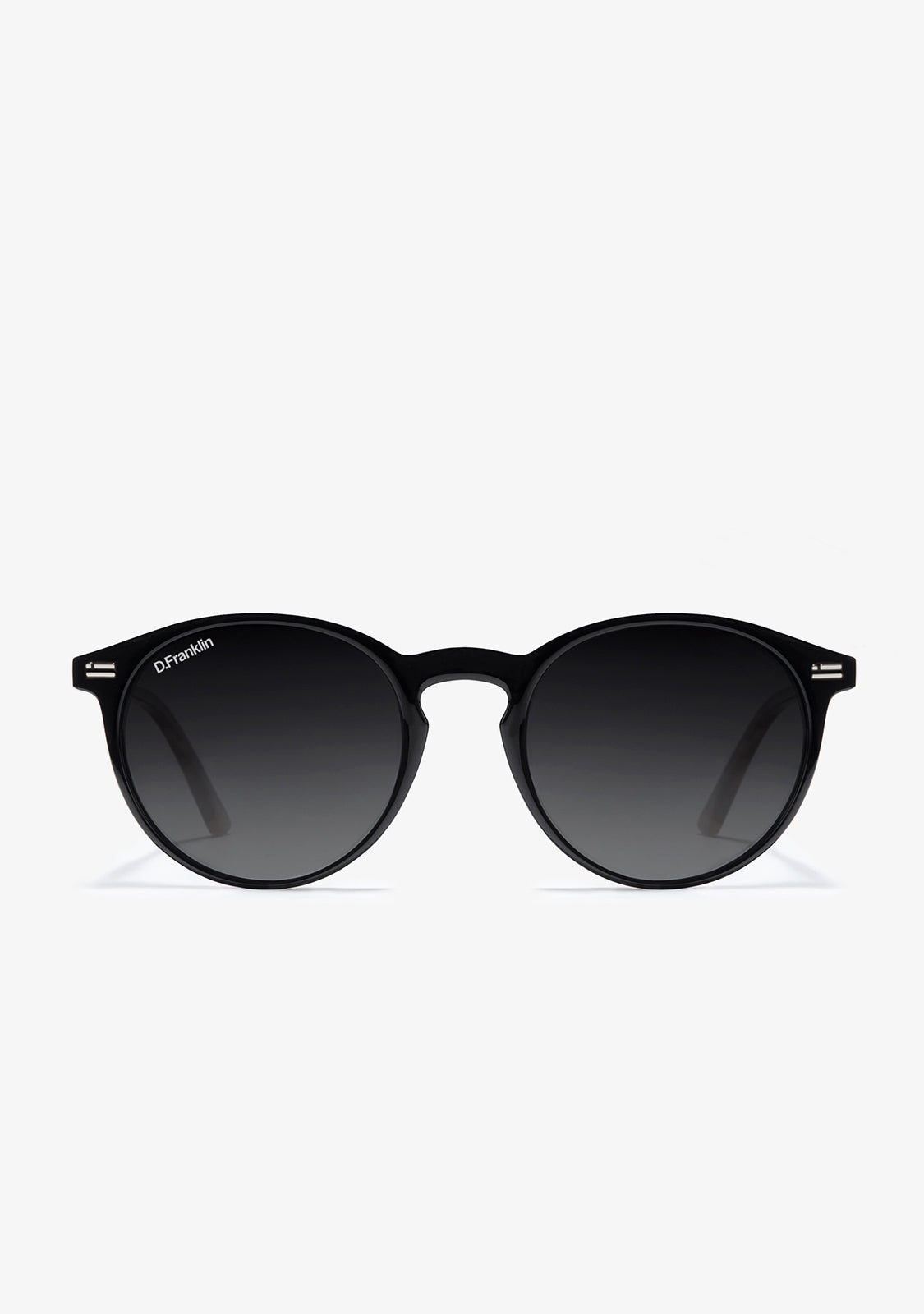
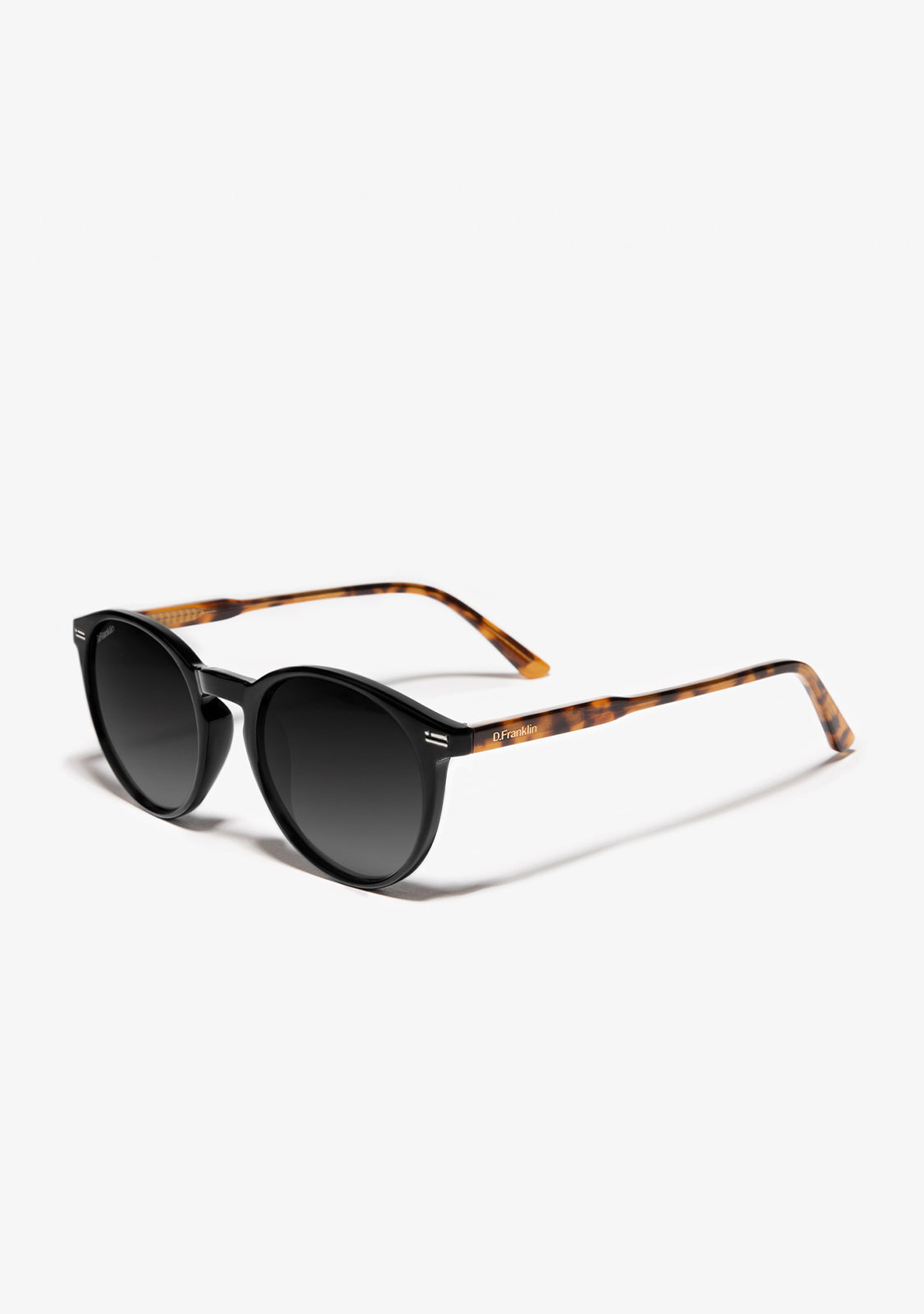
Round sunglasses provide a reference for curved lines. Thin and thick rims around similar lenses can look different; consider their relationship with your eyebrows and accessories.
What to check before choosing
- Front width, bridge size and temple length.
- Stable contact without pressure on your nose or temples.
- Stated lens type, filter category and UV protection.
- Frame and lens colours considered separately.
Fit and care
Check the fit while tilting your head and smiling: the frame should not keep slipping or touch your cheeks. Remove particles before cleaning, use a clean microfibre cloth and follow the finish's care instructions. Store your glasses in their case away from direct heat. For a broader comparison, explore square sunglasses.
Frequently asked questions
Does small sunglasses mean children's sunglasses?
No. This selection is aimed at men and women. Visual size does not determine the intended age; consult dimensions and the specific design information.
Do they all suit narrow faces?
Not necessarily. Compare front width, bridge and temples because a small lens can be part of a wider frame.
How can I tell if a frame is too narrow?
Check whether the temples press against your head or spread excessively when worn. Choose different dimensions if there is pressure; do not force the structure wider.
Do small and lightweight mean the same thing?
No. Weight also depends on materials and construction. Check the figure where available and assess how the support is distributed across nose and ears.
Do darker lenses provide more UV protection?
Tint and ultraviolet protection are different properties. Check the stated protection and filter category; colour alone confirms neither.
Which measurements should I compare with my current glasses?
Compare front width, bridge and temple length. Do not confuse the width of one lens with the width of the entire frame; use glasses that stay stable as a reference.
How do I clean lenses without damaging the finish?
Follow the design's instructions, remove dust first and use a clean microfibre cloth. Avoid rubbing with clothing or paper and do not use cleaners without confirmed compatibility.
You may also like
Sunglasses

